








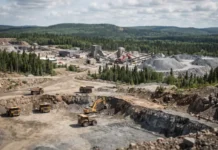
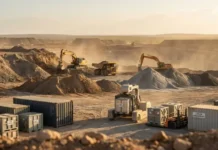
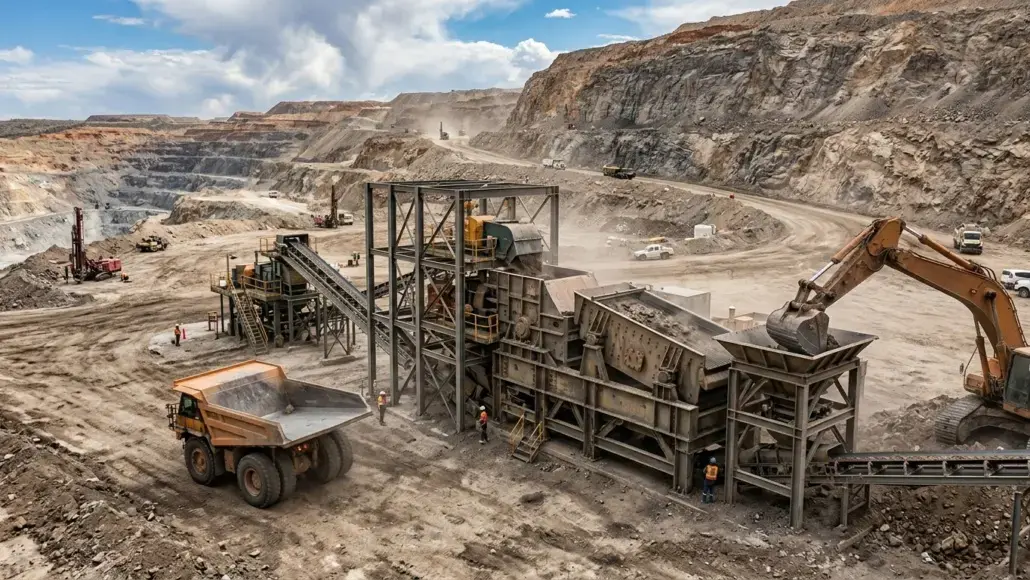

In the high-intensity environment of modern mining, the structural integrity of heavy machinery is a fundamental factor determining the success, safety, and profitability of resource extraction. Heavy equipment, including sizers, crushers, shaker screens, haul trucks, and conveyor assemblies, operates under continuous vibrational frequencies and heavy loads that put incredible stress on structural joints. Under these demanding conditions, standard bolted joints are prone to self-loosening and mechanical wear, leading to unplanned downtime and high repair costs. Consequently, the deployment of specialized industrial fastening systems strengthening mining operations is a critical engineering requirement across the global extraction sector. These systems are specifically designed to resist heavy impact, shear force, and corrosion, ensuring that critical equipment stays assembled and operates safely throughout its service life. By focusing on joint integrity and using high-performance fastening technology, mine operators can improve equipment reliability, lower maintenance costs, and ensure consistent material throughput.
The Engineering Challenges of Vibrational Fatigue in Mining
Heavy mining machinery is subject to some of the most severe dynamic loads and high-amplitude vibrations in heavy industry. For instance, vibratory screening plants use heavy mechanical shaking to sort bulk material by size, subjecting every bolted joint in their structure to continuous high-frequency vibrations. In these conditions, traditional nuts and bolts quickly lose their initial pre-load due to microscopic shifting in the thread contact zones, a process known as rotational self-loosening. Once a joint loses its pre-load, the fasteners are exposed to elevated cyclic bending stresses and shear forces, which can lead to rapid fatigue cracking and catastrophic joint failure. Implementing high-performance industrial fastening systems is the primary defense against this structural fatigue. These systems are designed to maintain thread contact and joint clamp force even under continuous heavy vibration, safeguarding the underlying steel structures and preventing expensive, unplanned shutdowns in active mining operations. Furthermore, the constant pounding from dumping tons of run-of-mine ore into heavy truck beds creates severe shockwaves that propagate through structural frames, making high-integrity fastening solutions an absolute necessity for structural survival.
Mechanics of Thread Loosening and Advanced Wedge-Locking Technology
To understand how advanced fastening technology protects bolted joints, it is necessary to examine the physical forces that cause mechanical loosening. When a standard bolted joint is tightened, the bolt stretches like a spring, creating a clamp force that holds the structural plates together. However, when the joint is subjected to transverse vibrations, the friction between the male and female threads can momentarily drop to zero. When this happens, the helical angle of the threads causes the nut to rotate back, releasing the tension in the bolt. Modern industrial fastening systems prevent this rotational movement by using advanced wedge-locking technology. These wedge-locking systems utilize a pair of washers with cams on one side and radial teeth on the other. The angle of the cams is larger than the pitch of the bolt thread, meaning that any attempt by the bolt to loosen is blocked by the wedge shape of the cams. This mechanical lock keeps the clamp force secure, ensuring the safety of heavy equipment and reducing the need for constant joint retightening during routine maintenance. This simple yet highly effective mechanical design exploits tension rather than friction to secure the joint, making it virtually impervious to even the most violent shaking.
Elevating Mining Equipment Safety and Preventing Structural Failures
The safety of mining personnel is closely linked to the mechanical reliability of heavy equipment. A single structural failure, such as a loose bolt on a wheel hub or a failed joint on a high-wall drill rig, can lead to catastrophic accidents and severe injuries. This is why using specialized fastening solutions is a critical part of mining equipment safety. Standard locking nuts, such as nylon-insert nuts, are highly vulnerable to the extreme heat and abrasive dust found in mining environments, as the polymer inserts degrade rapidly under thermal cycling and chemical exposure. To address these limitations, modern heavy equipment relies on all-metal locking fasteners, direct-tension indicators, and high-strength locking collars. These all-metal systems maintain their mechanical grip in extreme heat, freezing temperatures, and highly corrosive environments, ensuring that critical structural components remain locked together under the toughest operating conditions. By ensuring that critical structural joints are physically incapable of separating during operation, mining enterprises can substantially lower their operational risk profiles and safeguard their technical workforce.
Modern Fastening Technology and Material Metallurgy
Operating in corrosive underground environments and humid open-pit mines requires fastening components that can withstand both heavy mechanical loads and aggressive corrosion. Standard carbon steel fasteners can rust rapidly when exposed to acidic mine water, sulfur compounds, and saline dust, leading to pitting corrosion and hydrogen embrittlement. To prevent this, advanced industrial fastening systems utilize high-tensile steel alloys, such as Grade 10.9 and Grade 12.9, treated with advanced anti-corrosion coatings. Zinc-flake coatings, hot-dip galvanization, and ceramic-matrix finishes are commonly used to provide long-term corrosion resistance without compromising the mechanical strength of the fastener. Additionally, these coatings are formulated to provide a consistent coefficient of friction during installation. This consistent friction is essential for achieving accurate pre-load levels during torqueing, preventing under-tightening or over-stretching of the bolt, and ensuring the structural integrity of the joint in demanding mining operations. Acidic mine runoff can rapidly eat through inferior coatings, so selecting the correct metallurgical solution is critical to preventing rust-induced joint failures.
Streamlining Mining Maintenance with Hydraulic Tensioning Systems
Maintaining heavy machinery requires highly efficient, precise assembly and disassembly processes during scheduled shutdowns. Traditional manual torque wrenches are slow and physically exhausting, and they struggle to achieve the consistent clamp force needed for large-diameter structural bolts. Modern mining maintenance departments have addressed this issue by adopting advanced hydraulic bolt tensioners and high-capacity hydraulic torque wrenches. Hydraulic tensioning tools work by physically stretching the bolt before the nut is turned down, eliminating thread friction from the calculation and ensuring that the exact target pre-load is applied to the bolt. This technology allows maintenance crews to tighten large-diameter flange joints on slurry pumps, SAG mills, and heavy truck frames in a fraction of the time required by traditional methods. Achieving a uniform clamp force across a bolted flange prevents fluid leaks and uneven load distribution, extending the life of the machinery and maximizing equipment uptime. This precise hydraulic tensioning is particularly critical for high-pressure slurry systems where any joint misalignment could result in a highly abrasive, dangerous leak.
Strategic Implications for Long-Term Mine Operational Efficiency
Investing in premium industrial fastening systems is a strategic decision that delivers significant long-term financial and operational benefits for mining enterprises. Although the initial purchase cost of advanced locking fasteners and hydraulic tensioning tools is higher than standard off-the-shelf bolts, the reduction in maintenance labor and unplanned downtime yields a rapid return on investment. By eliminating the need for daily bolt inspections and frequent retightening, mining maintenance teams can focus their resources on critical preventive tasks, such as wear-plate replacements and hydraulic system diagnostics. This shift from reactive joint repairs to proactive asset management improves overall equipment reliability and maximizes material throughput. In an industry where operational margins are closely tied to equipment uptime and daily production volume, the reliability provided by advanced fastening technology is a key driver of modern, profitable, and safe mining operations worldwide.
Technological Standardization of Fasteners Across Mining Fleets
An often overlooked aspect of operational efficiency is the standardization of fastening systems across a mining company’s entire fleet and infrastructure. When a site operates multiple machinery brands, the maintenance warehouse is often flooded with hundreds of different bolt sizes, thread pitches, and grade specifications, creating massive inventory complexity. This lack of standardization increases the risk of a technician accidentally installing an incorrect bolt class during an emergency repair, compromising joint safety. By working with specialized fastening engineers, mine operators can standardize their key structural connections to use a consolidated selection of high-performance wedge-locking fasteners and standardized thread geometries. This simplification of inventory lowers warehousing overheads, simplifies the purchasing process, and ensures that maintenance technicians always have the exact, high-strength fasteners they need close at hand, directly reducing assembly errors and ensuring a higher standard of physical safety across all heavy equipment.
Data-Driven Assembly and Joint Verification Protocols
As digital technology integrates with physical maintenance, the concept of joint integrity is becoming highly data-driven. Modern mining operations are implementing digital torque-logging systems that record the exact torque and rotational angle applied to every critical fastener during equipment reassembly. This data is wirelessly synchronized with the site’s maintenance software, creating a permanent, auditable quality record for each machine before it is returned to production. If a particular joint experiences premature wear or loosening in the field, reliability engineers can review the digital assembly log to verify if the correct tension was achieved during installation. This ability to audit physical work standards ensures that maintenance technicians adhere strictly to engineering specifications, eliminating subjective guesswork and establishing a highly disciplined, precise approach to heavy equipment assembly that dramatically improves machine safety, joint durability, and overall mine operational stability. As technology continues to evolve, these digital record systems will likely integrate with predictive algorithms to forecast exactly when a bolt might require replacement based on its installation parameters and historical stress exposure.