








In the demanding environments characteristic of the global mining and metallurgy industries, the longevity of equipment is constantly threatened by the relentless forces of oxidation and chemical erosion. Heavy machinery, structural steel, and processing tools are often exposed to extreme humidity, abrasive dust, and corrosive chemicals, leading to significant material degradation over time. To combat these challenges, the field of innovative metal surface treatment has emerged as a critical discipline. By applying advanced scientific principles to the outer layers of metal components, engineers can create a formidable barrier against the elements. Mining Frontier highlights that this focus on industrial surface engineering not only protects valuable equipment but also ensures the safety and reliability of operations that form the backbone of modern infrastructure.
The Science of Corrosion Resistant Coatings
At the heart of any effective protection strategy is the application of high-performance corrosion resistant coatings. These are not merely layers of paint; they are complex chemical formulations designed to bond at a molecular level with the substrate. Modern coatings utilize a variety of mechanisms to prevent rust, including sacrificial protection, where a more reactive metal (like zinc) corrodes in place of the underlying steel, and barrier protection, which creates an impermeable shield against moisture and oxygen. The latest innovations in this field include the development of epoxy-based systems and fluoropolymer coatings that offer exceptional resistance to both chemical attack and physical abrasion. For mining operations, choosing the right coating is a fundamental step in ensuring the long-term integrity of everything from underground support structures to surface processing tanks.
Advancing Metal Finishing Technology for Heavy Industry
The process of preparing a surface for protection is just as important as the coating itself. Recent advancements in metal finishing technology have revolutionized the way surfaces are cleaned and textured before treatment. Techniques such as high-pressure water jetting, laser cleaning, and advanced abrasive blasting ensure that the metal is free of contaminants that could compromise the adhesion of protective layers. Furthermore, the use of automated finishing systems allows for a degree of consistency that is impossible to achieve through manual methods. By ensuring a uniform profile across the entire surface of a component, these systems prevent the formation of weak points where corrosion could potentially take root.
The Role of Industrial Surface Engineering in Asset Longevity
Industrial surface engineering involves a holistic approach to modifying the surface properties of a material to meet specific functional requirements. In addition to preventing corrosion, innovative metal surface treatment can be used to improve wear resistance, reduce friction, and enhance thermal insulation. For example, the application of thermal spray coatings, where molten material is sprayed onto a surface, can create extremely hard ceramic or metallic layers that protect parts from the intense abrasion found in ore crushing and grinding operations. By tailored these treatments to the specific stressors of the mining environment, engineers can dramatically extend the intervals between maintenance cycles, leading to significant cost savings and reduced downtime.
Implementing Protective Metal Layers and Barriers
The creation of durable protective metal layers is often achieved through processes such as galvanization, electroplating, and chemical vapor deposition. Hot-dip galvanizing remains one of the most effective ways to protect structural steel, providing a thick, robust layer of zinc that can last for decades even in harsh environments. For smaller, more complex components, electroplating allows for the precise deposition of metals like nickel or chrome, which offer excellent corrosion resistance and a smooth, professional finish. More recently, the development of nanostructured coatings has opened up new possibilities for protection. These incredibly thin yet dense layers provide a high level of performance without significantly altering the dimensions or weight of the component, making them ideal for high-precision mining sensors and electronics.
Strategic Mining Asset Maintenance and Surface Care
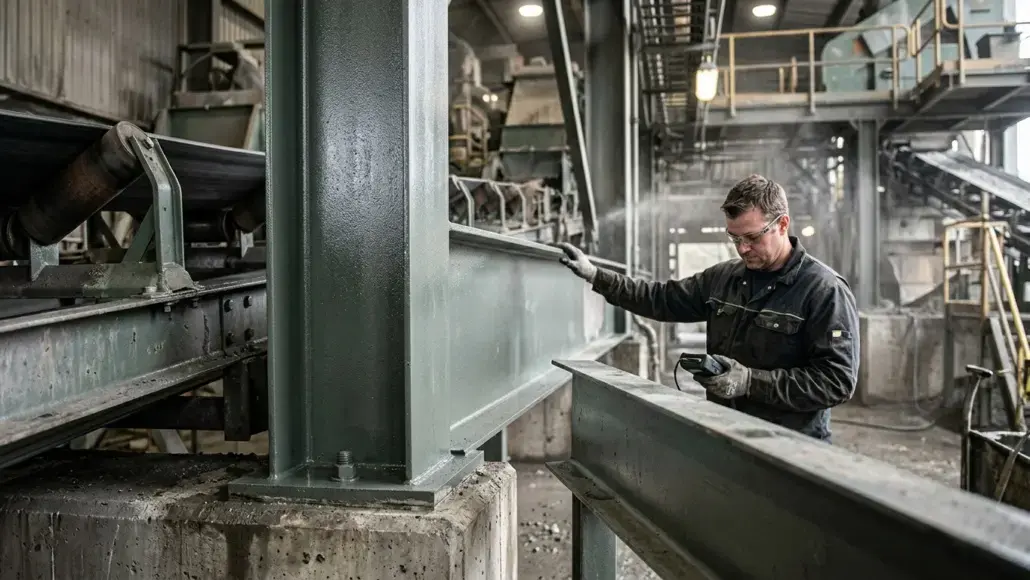
For any large-scale mining operation, an effective strategy for mining asset maintenance must include a rigorous program of surface inspection and care. Detecting the early signs of coating failure is essential for preventing localized corrosion from turning into a major structural issue. Modern maintenance teams now utilize non-destructive testing tools, such as ultrasonic thickness gauges and electrochemical impedance spectroscopy, to assess the condition of protective layers without damaging them. When a coating does show signs of wear, the ability to perform localized repairs using innovative metal surface treatment techniques can prevent the need for a full equipment overhaul. This proactive approach to surface management is a key factor in maximizing the return on investment for expensive mining machinery.
Environmental Considerations in Surface Treatment
As environmental regulations become more stringent, the surface treatment industry is shifting toward more eco-friendly processes. Traditionally, many metal finishing methods relied on hazardous chemicals such as hexavalent chromium or volatile organic compounds (VOCs). However, the move toward sustainable innovative metal surface treatment has led to the development of trivalent chromium plating and water-based coatings that offer comparable performance with a much lower environmental impact. Additionally, many modern facilities are implementing closed-loop systems to recapture and recycle the chemicals used in the treatment process, minimizing the risk of runoff and contamination. By prioritizing these green technologies, the mining industry can improve its environmental profile while still maintaining the highest standards of equipment protection.
The Economic Impact of Effective Corrosion Control
The economic consequences of corrosion in the industrial sector are staggering, often accounting for billions of dollars in lost productivity and repair costs annually. By investing in high-quality innovative metal surface treatment, companies can significantly reduce these losses. The initial cost of applying advanced corrosion resistant coatings is often a small fraction of the cost of replacing a major piece of equipment or dealing with an unscheduled production stoppage. Furthermore, the improved reliability of protected equipment leads to a safer working environment, as structural failures caused by hidden corrosion are much less likely to occur. In the long run, effective surface engineering is an investment in the stability and profitability of the entire mining operation.
Enhancing Performance Through Specialized Coatings
Beyond basic protection, specialized coatings can also enhance the functional performance of metal parts. For instance, low-friction coatings can reduce the energy required to operate conveyor systems and pumps, leading to direct savings on electricity and fuel. Anti-fouling coatings are another area of innovation, preventing the buildup of minerals or biological material in water pipes and cooling systems. By integrating these functional benefits with traditional corrosion control, innovative metal surface treatment becomes a multi-purpose tool for operational optimization. This synergy between protection and performance is a hallmark of modern industrial engineering.
Future Directions in Surface Technology
The future of innovative metal surface treatment lies in the development of “smart” coatings that can respond to their environment. Researchers are currently working on self-healing materials that contain microcapsules of repair agents; when the coating is scratched, the capsules break and release their contents to seal the gap. Other developments include coatings with embedded sensors that can transmit data about the rate of corrosion or the temperature of the underlying metal. As these technologies move from the lab to the field, the ability of mining companies to manage their assets will reach a new level of sophistication. The combination of advanced material science and digital connectivity will ensure that the infrastructure of the future is more resilient than ever before.
In conclusion, the application of innovative metal surface treatment is an indispensable part of modern mining and metallurgical operations. Through the strategic use of corrosion resistant coatings, advanced metal finishing technology, and the principles of industrial surface engineering, the industry is overcoming the challenges posed by harsh environments. These protective metal layers and the proactive mining asset maintenance programs that support them are essential for ensuring the long-term success and sustainability of global resource extraction. Mining Frontier sees that by continuing to innovate in this critical field, we can protect the valuable assets that power our world.