














The global automotive landscape is undergoing a metamorphosis unlike anything seen since the introduction of the assembly line. At the heart of this revolution lies a singular, reddish-orange metal that has been a cornerstone of human civilization for millennia: copper. As the world pivots toward decarbonization, the surge in electric vehicle adoption has placed a spotlight on the critical role of high-purity copper. The future copper demand trends for electric vehicle market growth are not merely a reflection of increased car sales but signify a profound structural shift in how we generate, distribute, and consume energy. From the intricate windings of high-performance electric motors to the sprawling networks of fast-charging stations, the reliance on copper’s superior electrical conductivity is absolute. Mining Frontier highlights that this transition represents a significant departure from internal combustion engine vehicles, which utilize relatively modest amounts of the metal. In contrast, an electric vehicle requires up to four times more copper, creating a demand curve that is challenging global supply chains and pushing the boundaries of mining and recycling capabilities.
The Technological Necessity of Copper in Electric Propulsion
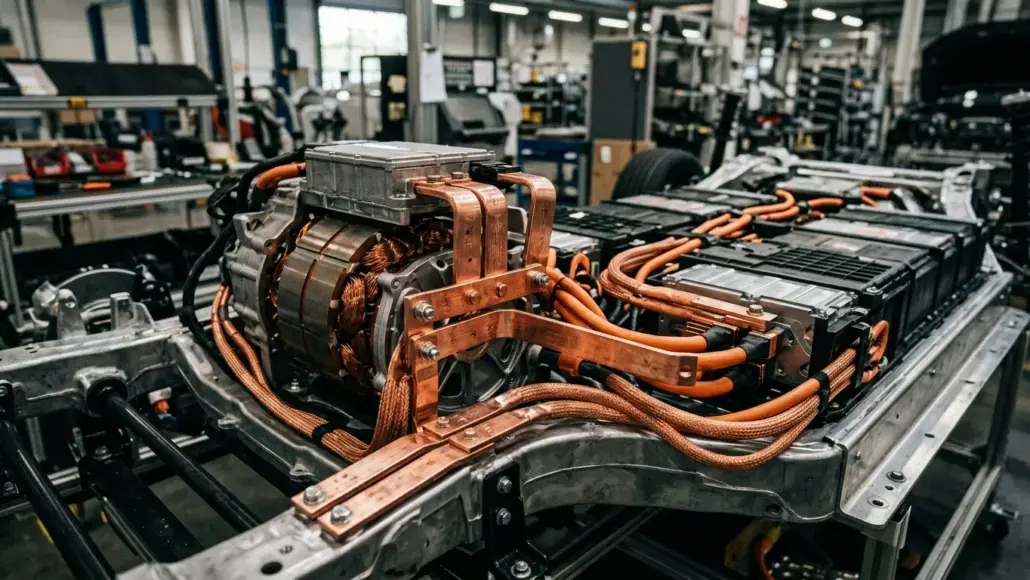
To understand the trajectory of copper consumption, one must look deep into the anatomy of the electric drivetrain. Unlike traditional vehicles that rely on mechanical explosions and complex gear systems, electric vehicles are essentially rolling computers powered by electromagnetic forces. Every major component—the battery pack, the inverter, and the motor—depends on copper to function efficiently. The future copper demand trends for electric vehicle market expansion are driven heavily by the push for higher efficiency and longer ranges. Copper is the gold standard for conductivity among non-precious metals, allowing for minimal energy loss through heat. In the stator of an electric motor, hundreds of feet of copper wire are wound into coils to create the magnetic fields that drive the wheels. As manufacturers seek to improve torque and power density, they are turning to advanced copper winding techniques, such as hairpin winding, which increases the copper fill factor and enhances performance.
Battery Architecture and Internal Connectivity
The battery pack itself is a massive consumer of copper. Within each individual cell, copper foil serves as the current collector for the anode. When you multiply this by the thousands of cells found in a modern long-range EV battery, the volume of copper becomes staggering. Furthermore, the busbars that connect these cells and carry massive amounts of current across the pack are typically made of solid copper. As battery technology evolves toward higher energy densities and faster charging capabilities, the requirement for robust thermal management systems also grows. These systems often utilize copper heat sinks or cooling plates to dissipate the intense heat generated during rapid discharge or high-speed charging. Consequently, even as battery chemistries change, the physical infrastructure required to manage the flow of electricity remains stubbornly reliant on copper.
Scaling EV Infrastructure and the Global Grid
Beyond the vehicle itself, the shift to electric mobility necessitates a total overhaul of our energy infrastructure. This is where the future copper demand trends for electric vehicle market sustainability become most visible to the public. Every residential wallbox and every high-speed highway charger represents a new node of copper consumption. Fast chargers, in particular, require thick, heavy-duty copper cables to deliver the hundreds of kilowatts needed to top up a battery in minutes. On a broader scale, the grid that supports these chargers must be reinforced. Transformers, switchgear, and subterranean transmission lines all rely on massive amounts of copper to move power from renewable sources—like wind and solar farms—to the urban centers where EVs are most prevalent. The synchronization of the transportation sector with the electrical grid means that for every ton of copper used in a vehicle, several more must be deployed in the supporting infrastructure.
The Role of Renewables in the Copper Ecosystem
The transition to electric vehicles is inseparable from the broader energy transition. It makes little environmental sense to drive an EV powered by coal. Therefore, the rise of the EV market is driving a parallel demand for renewable energy installations. Wind turbines and solar panels are significantly more copper-intensive than traditional power plants. A single offshore wind turbine can contain several tons of copper in its generator and cabling. This creates a compounding effect on demand. The future copper demand trends for electric vehicle market success are therefore inextricably linked to the pace of green energy deployment. If the world is to meet ambitious net-zero targets, the mining industry must prepare for a decade of sustained growth in demand that could outstrip current production capacities.
Supply Chain Realities and Strategic Mineral Security
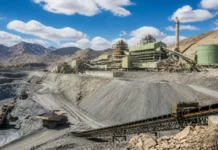
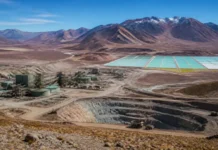
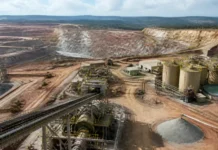
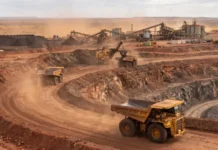
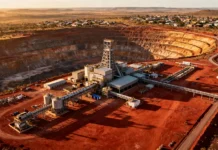
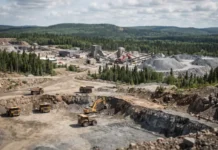
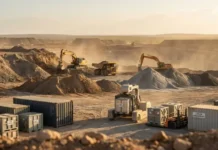
As copper becomes the new oil—the fundamental fuel for transport—the geopolitics of mining are coming to the forefront. The supply of high-grade copper is concentrated in specific geographic regions, most notably South America. However, as demand skyrockets, the industry faces challenges ranging from declining ore grades to increasing regulatory scrutiny over environmental and social impacts. To satisfy the future copper demand trends for electric vehicle market requirements, significant investment is needed in new mining projects and the expansion of existing facilities. Moreover, the concept of “strategic mineral security” is prompting nations to look at domestic sourcing and advanced recycling. Secondary copper recovery is becoming a vital pillar of the supply chain, ensuring that the metal used in today’s vehicles can be reclaimed and repurposed for the next generation of transport.
Environmental Stewardship and Sustainable Sourcing
The paradox of the green transition is that it requires an increase in extractive activities. To mitigate this, the copper industry is adopting more sustainable practices. This includes utilizing renewable energy to power mining operations and implementing closed-loop water systems. For the electric vehicle market, the “greenness” of the copper is becoming a selling point. Manufacturers are increasingly looking for “low-carbon copper” that is produced with minimal environmental footprint. This demand for transparency and sustainability is reshaping the relationship between miners and automotive OEMs, leading to long-term off-take agreements and partnerships that ensure a steady, ethical supply of the metal.
Economic Implications and Market Volatility
The surge in demand has profound implications for global commodity markets. Copper prices are often seen as a bellwether for economic health, but the EV transition has decoupled copper from traditional cycles to some extent. Even during periods of broader economic slowing, the structural demand for electrification continues to provide a floor for copper prices. For investors and policymakers, understanding the future copper demand trends for electric vehicle market dynamics is essential for navigating the next decade. There is a looming risk of a supply-demand gap, which could lead to price spikes and potentially slow the adoption of electric vehicles if costs become prohibitive. This necessitates a multi-faceted approach involving mining innovation, material substitution where possible (though copper remains difficult to replace in high-efficiency applications), and a massive scale-up in circular economy initiatives.
Conclusion: A Future Built on Copper
The journey toward a sustainable transport future is paved with copper. As electric vehicles transition from a niche market to the global standard, the pressure on this essential metal will only intensify. The future copper demand trends for electric vehicle market growth highlight the intersection of technological innovation, infrastructure development, and environmental necessity. While challenges in supply and geopolitical stability remain, the path forward is clear: electrification is the only viable route to a low-carbon future, and copper is the conductor that makes it possible. Mining Frontier notes that by fostering innovation in both mining and recycling, and by recognizing the strategic importance of this metal, the global community can ensure that the electric vehicle revolution remains charged and ready to transform our world for the better.