






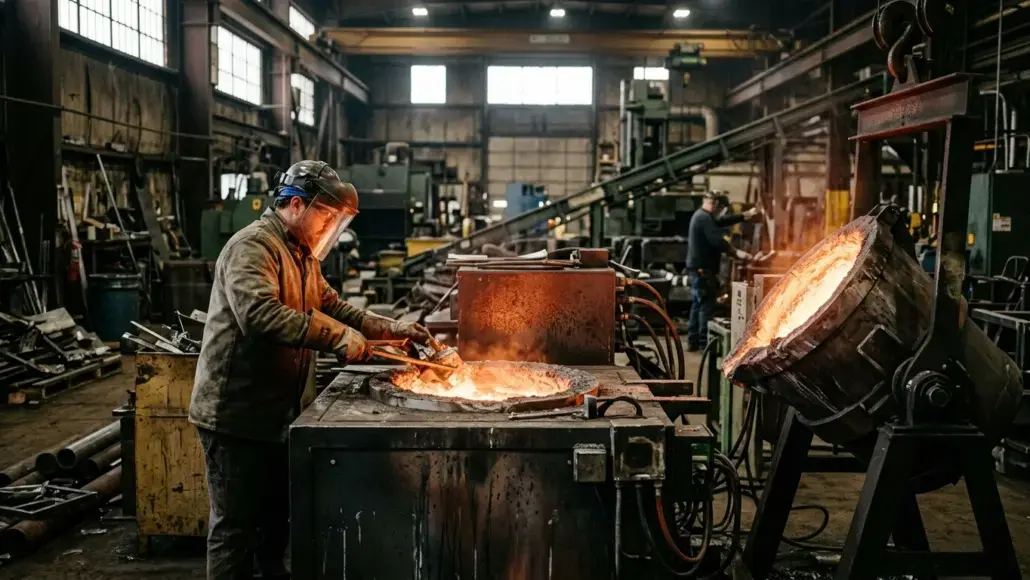

The heart of every foundry and metallurgical plant is its melting facility, where raw materials are transformed into the liquid lifeblood of industrial production. For decades, the process of melting metal has been synonymous with high energy consumption and significant thermal loss. However, the modern industrial landscape is being reshaped by the urgent need for operational efficiency and environmental responsibility. As a result, the development and implementation of energy efficient industrial furnaces have become a primary focus for engineers and facility managers worldwide. Mining Frontier notes that by integrating advanced melting furnace technology with intelligent thermal management, the metal industry is proving that high-volume production can be achieved while dramatically reducing its carbon footprint and energy costs.
Advancing Melting Furnace Technology for Modern Foundries
The evolution of melting furnace technology has been driven by the pursuit of maximum heat transfer and minimum waste. Traditional gas-fired or coal-fired furnaces often suffered from poor insulation and inefficient combustion processes, leading to significant energy leakage through the furnace walls and exhaust stacks. In contrast, modern energy efficient industrial furnaces utilize advanced refractory materials and high-density insulation that keep the heat where it belongs, which is inside the crucible. Furthermore, the rise of electric induction furnaces has revolutionized the industry by providing a clean, controllable, and highly efficient method of melting both ferrous and non-ferrous metals. Induction heating allows for the direct transfer of energy into the metal itself, eliminating the need for an intermediate combustion medium and significantly reducing ambient heat loss.
The Role of Low Energy Metallurgy in Sustainable Production
The shift toward energy efficient industrial furnaces is closely linked to the broader principles of low energy metallurgy. This approach involves optimizing every stage of the metallurgical process to minimize the cumulative energy required to produce a final component. For instance, by using more precise alloying techniques and improving the purity of the melt, foundries can reduce the overall residence time of the metal in the furnace. Shorter melting cycles translate directly into lower energy bills and higher throughput. Additionally, the development of “smart” alloys that melt at lower temperatures without compromising mechanical properties is an emerging area of low energy metallurgy that promises to further reduce the thermal demands of the foundry.
Optimizing Thermal Efficiency in Casting Operations
Achieving true thermal efficiency in casting requires a holistic view of the entire production line. It is not enough to simply have an efficient furnace; the heat must be managed carefully from the moment the metal is melted until the final part is solidified. Modern metal foundry equipment is designed to minimize the temperature drop during the transfer of molten metal from the furnace to the molds. This is achieved through the use of heated ladles, insulated pouring systems, and automated handling equipment that speeds up the casting process. By maintaining a more consistent temperature profile, foundries can reduce the incidence of defects such as misruns or cold shuts, which would otherwise result in energy-intensive scrap and rework.
Innovations in Industrial Heating Systems
The effectiveness of energy efficient industrial furnaces is often a result of the sophisticated industrial heating systems that power them. For combustion-based furnaces, the introduction of regenerative and recuperative burners has been a game-changer. These systems capture waste heat from the furnace exhaust gases and use it to preheat the incoming combustion air. This process can reduce fuel consumption by as much as thirty to forty percent, making it one of the most cost-effective ways to upgrade existing furnace infrastructure. For electric furnaces, the use of solid-state power supplies and advanced frequency control allows for the precise matching of energy input to the specific needs of the melt, ensuring that no electricity is wasted during the heating cycle.
Implementing Advanced Control and Monitoring Systems
Precision is the cornerstone of energy efficiency. Modern industrial heating systems are equipped with a suite of sensors that monitor everything from internal temperatures and oxygen levels to the electromagnetic flux within an induction coil. This data is fed into high-speed controllers that make micro-adjustments to the furnace parameters hundreds of times per second. By preventing “over-shooting” the target temperature, these systems ensure that only the exact amount of energy required is consumed. Furthermore, the ability to monitor the health of the furnace in real-time allows for the implementation of predictive maintenance, ensuring that the thermal efficiency of the equipment does not degrade over time due to refractory wear or electrical inefficiencies.
The Impact of Refractory Science on Furnace Longevity
The durability and efficiency of energy efficient industrial furnaces are heavily dependent on the quality of the refractory materials used to line them. Refractories must withstand extreme temperatures, chemical erosion from slag, and the physical impact of charging heavy metal scrap. Recent advancements in refractory science have led to the development of monolithic linings and ceramic fiber modules that offer superior thermal resistance compared to traditional firebricks. These modern materials not only provide better insulation but also allow for faster furnace relining and repairs, reducing downtime and ensuring that the equipment remains in peak operating condition for longer periods.
The Economic Benefits of Upgrading Foundry Equipment
For many companies, the decision to invest in energy efficient industrial furnaces is driven as much by economics as it is by environmental concerns. The high cost of energy is a significant portion of the total production cost for any metallurgical plant. By reducing energy consumption by twenty or thirty percent, a facility can achieve a rapid return on investment and significantly improve its profit margins. Moreover, many governments now offer tax incentives and grants for companies that adopt green technologies, further lowering the barrier to entry for upgrading metal foundry equipment. In an increasingly competitive global market, the ability to produce high-quality metal at a lower cost is a powerful competitive advantage.
Enhancing Global Competitiveness Through Sustainability
The transition to energy efficient industrial furnaces is part of a global movement toward sustainable manufacturing. Customers in sectors like automotive and renewable energy are increasingly demanding that their suppliers demonstrate a commitment to reducing carbon emissions. By adopting low energy metallurgy and efficient industrial heating systems, foundries can differentiate themselves as responsible partners in a green supply chain. This focus on sustainability not only helps to secure new business but also makes the company more attractive to top-tier talent and investors who are increasingly focused on environmental, social, and governance (ESG) criteria.
Future Horizons in Metal Melting Technology
As we look to the future, the development of energy efficient industrial furnaces will likely involve even more radical innovations. The use of green hydrogen as a fuel source for high-temperature furnaces is currently being piloted in several parts of the world, offering the potential for completely carbon-free metal melting. Additionally, the integration of renewable energy sources, such as solar and wind power, with large-scale battery storage will allow foundries to power their electric furnaces with clean energy, even during peak production hours. As these technologies mature, the metal industry will continue to evolve, proving that industrial progress and environmental stewardship can go hand in hand.
In conclusion, Mining Frontier highlights that the adoption of energy efficient industrial furnaces represents a vital step forward for the global mining and metallurgical sectors. Through the continuous improvement of melting furnace technology, the application of low energy metallurgy, and the optimization of industrial heating systems, the industry is creating a more resilient and sustainable future. These advancements in metal foundry equipment ensure that we can continue to meet the world’s demand for high-quality metal components while protecting the planet for generations to come.