









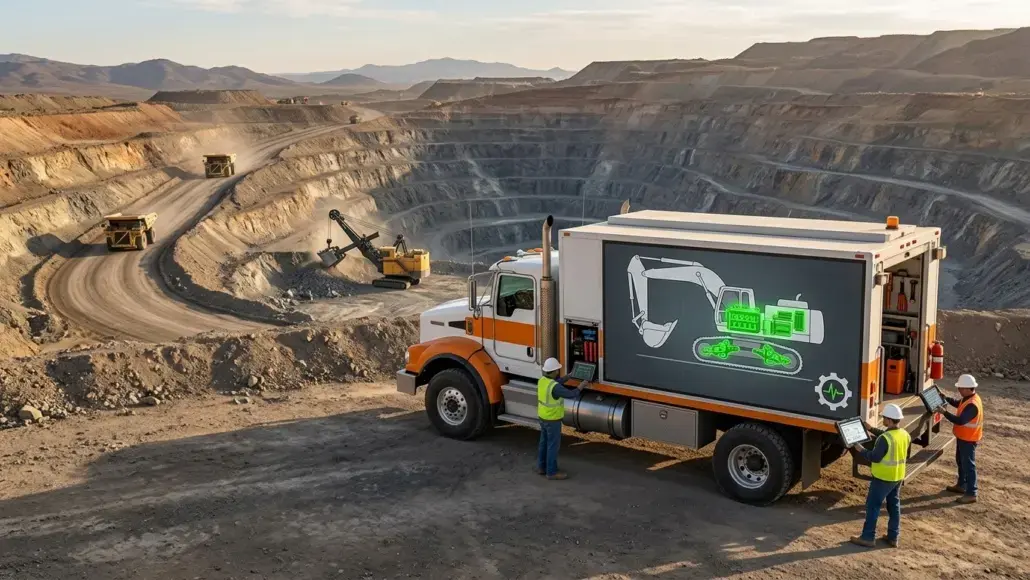

In the modern resource extraction sector, operational environments present some of the most aggressive mechanical and environmental challenges found in heavy industry. Heavy excavation, drilling, and processing machinery are constantly subjected to immense thermal stress, high-impact forces, abrasive dust, and corrosive moisture, making structural integrity a primary operational concern. In such demanding conditions, the deployment of advanced mining tools improving equipment reliability serves as a cornerstone for maintaining continuous workflow and preventing catastrophic machinery failures. The global mining sector has long transitioned away from a purely reactive paradigm, recognizing that the cost of unplanned mechanical downtime far exceeds the capital expenditure required for premium, precision-engineered tools and specialized maintenance instruments. By investing in highly engineered solutions, mining enterprises can safeguard their high-value assets and ensure that complex machinery operates within its optimal performance parameters for extended durations. High-quality precision engineering in industrial tools plays a vital role in keeping these massive operations profitable, safe, and efficient, especially as the industry moves toward deeper deposits and more challenging geographic locations globally.
The Crucial Link Between Tool Precision and Machinery Longevity
The foundational mechanical integrity of massive excavation equipment, such as draglines, hydraulic shovels, and continuous miners, depends heavily on the high-quality industrial tools used to assemble and maintain them. When high-torque components, rotary shafts, or structural joints are serviced using subpar implements, the risk of micro-misalignments and uneven load distribution increases dramatically. Precision engineering plays a critical role in mitigating these risks by ensuring that maintenance tools, such as hydraulic tensioners, torque multipliers, and specialized alignment jigs, operate with absolute mathematical accuracy. For example, a minor misalignment in a drive shaft coupling, often measuring less than a fraction of a millimeter, can introduce severe harmonic vibrations throughout the entire drivetrain of a haul truck. These vibration frequencies accelerate the fatigue of bearing assemblies and gear teeth, ultimately leading to premature component failure. Using advanced mining tools during routine overhauls ensures that fasteners are tightened to their exact specified pre-loads and rotating parts are balanced with absolute precision, directly enhancing overall equipment reliability across the entire fleet of mining equipment.
Modern Maintenance Philosophies in Heavy Resource Extraction
Implementing an effective mining equipment maintenance strategy requires a deep integration of high-performance tools and smart diagnostic workflows. Historically, maintenance schedules were governed by basic chronological intervals or reactive emergency repairs, both of which are highly inefficient and costly. Today, progressive operators utilize predictive and proactive maintenance frameworks, where the continuous monitoring of structural stress and tool wear is standard practice. Advanced industrial tools equipped with integrated electronic sensors and wireless data transmitters allow maintenance teams to capture real-time physical metrics during servicing. These tools record torque signatures, angle of turn, and applied pressure, uploading this critical data directly to centralized enterprise asset management databases. By analyzing these digital torque profiles, reliability engineers can identify subtle anomalies, such as micro-yield behaviors in critical high-strength bolts, before they escalate into structural failures. Consequently, the synergy between advanced diagnostics and physical maintenance tools allows mining operations to extend the intervals between major overhauls, reducing unnecessary maintenance interventions while maximizing machinery availability.
Materials Science and Innovation in Heavy-Duty Extraction Tooling
The harsh abrasive nature of geological formations demands that cutting, drilling, and structural maintenance tools possess exceptional wear resistance and toughness. Recent innovations in materials science have led to the development of cutting-edge mining tools manufactured from advanced alloys, such as cobalt-bonded tungsten carbide, polycrystalline diamond compacts, and specialized chromium-nickel steels. These advanced materials undergo sophisticated heat treatment protocols, including cryogenic tempering and vacuum carburizing, to achieve a rare balance of surface hardness and core ductility. When applied to ground-engaging tools, such as rotary drill bits, continuous miner drums, and bucket teeth, these high-end materials resist abrasive wear from quartz-rich ore bodies far better than standard carbon steels. By maintaining their geometric profiles and cutting edges for longer periods, these durable mining tools reduce the physical friction and mechanical resistance experienced by the prime mover machinery. This reduction in operating resistance minimizes the torsional stress transmitted to hydraulic motors, gearboxes, and diesel engines, thereby safeguarding the primary machinery and boosting equipment reliability throughout complex mining operations.
Minimizing Unplanned Downtime Through Engineered Component Solutions
Unplanned downtime is the single greatest drain on profitability in modern resource extraction, with some larger open-pit operations estimating the cost of a halted production line at tens of thousands of dollars per hour. To combat this vulnerability, mining maintenance crews must be equipped with specialized industrial tools that allow for rapid, safe, and precise component swaps. High-pressure hydraulic pullers, specialized bearing induction heaters, and high-capacity mobile crane attachments are engineered to handle the massive, heavy-tolerance parts typical of mining machinery. When a primary component, such as a conveyor pulley bearing or a high-power electric wheel motor, requires replacement, these advanced tools minimize the mean time to repair by eliminating manual guesswork and reducing the physical effort required. Furthermore, using induction heating tools to install interference-fit bearings ensures even thermal expansion, preventing the micro-scratches and internal stresses that often occur when using traditional flame heating methods. This mechanical precision during installation is vital to ensuring that replaced components achieve their full design lifespan, preventing premature post-maintenance failures and stabilizing the entire operation.
Streamlining Daily Operations for Sustained Mining Productivity
The direct correlation between advanced tooling and sustained mining productivity is clearly evident in the daily output metrics of progressive mining operations. High-performance drilling and cutting tools allow for faster penetration rates in hard-rock formations, which directly accelerates the extraction cycle and increases material throughput. However, the benefits of advanced tooling extend beyond the face of the mine to the maintenance workshop, where rapid-acting pneumatic and battery-powered torque tools streamline routine component servicing. For instance, the time required to change out worn wear-plates on a heavy truck bed or a primary jaw crusher is significantly reduced when technicians utilize high-speed torque multipliers instead of manual impact wrenches. This efficiency gains back valuable hours of machinery uptime, allowing the fleet to remain active and productive for longer stretches. By reducing the physical labor required for repetitive maintenance tasks, operations can deploy their skilled workforces more strategically, focusing on complex diagnostic tasks and preventive inspections that further optimize overall equipment reliability and sustain high output volumes.
Strategic Investment in Reliability and Workforce Safety
Beyond the purely financial and technical metrics of machinery performance, the deployment of advanced mining tools improving equipment reliability is deeply linked to workforce safety. Heavy-duty mining maintenance is inherently high-risk, involving high-pressure systems, massive suspended loads, and extreme mechanical forces. When standard tools fail or slip under load, the risk of severe workplace injuries increases dramatically. Precision-engineered industrial tools are built with extensive safety features, such as dual-hand controls, reaction arms with integrated safety switches, and overload protection mechanisms. By ensuring that tools do not break or fail under extreme loads, mining companies protect their technicians from sudden energy releases and musculoskeletal strain. Safe maintenance environments foster a more methodical and high-quality repair standard, as technicians can work with confidence and precision without being forced to rush through dangerous tasks. Ultimately, a safe, well-equipped workforce performs superior maintenance, resulting in highly reliable equipment, minimized operational risks, and a resilient, productive mining enterprise designed for long-term global success.
Technological Standardization and the Training of Modern Maintenance Crews
To achieve the maximum benefit from advanced tools, mining enterprises must establish a standardized approach to tooling and a comprehensive training program for their maintenance crews. Standardizing on a single, high-quality family of industrial tools across all maintenance workshops ensures that technicians develop a deep familiarity with their equipment, which reduces the learning curve and speeds up servicing times. Furthermore, specialized training programs should be implemented to teach technicians how to interpret digital diagnostic data, calibrate precision tensioning devices, and maintain the tools themselves. When maintenance crews are highly trained in both the mechanical and digital aspects of their tooling, they can execute complex repair procedures with absolute confidence and consistency. This technical competence not only reduces the risk of incorrect tool application but also ensures that every piece of machinery returned to the field is built to the highest engineering standards, directly supporting a culture of continuous improvement, minimized operational risk, and long-term asset reliability.
The Economics of Overhaul Efficiency and Total Cost of Ownership
While the initial procurement cost of advanced, precision-engineered mining tools can be significant, the long-term economic benefits far outweigh the initial investment. A comprehensive analysis of the total cost of ownership reveals that premium tools pay for themselves multiple times over by reducing the frequency of tool replacements and preventing costly damage to machinery during servicing. Standard, low-cost tools often wear out quickly, requiring frequent replacements and introducing variability into the maintenance process. In contrast, advanced tools designed for durability and high-precision use have a much longer operational lifespan, providing consistent performance year after year. Furthermore, the efficiency gains achieved during major equipment overhauls—where even a single day’s delay can cost a mine millions in lost production—deliver immediate and substantial financial returns. By enabling faster, more accurate component assemblies, advanced tools help mining operations minimize overhaul durations, quickly return valuable machinery to active service, and maximize the return on investment of both their physical assets and their technical workforce.