




The global metal casting industry stands at a critical crossroads where traditional production methods must evolve to meet the stringent demands of environmental stewardship and resource efficiency. The transition toward green foundry technology is no longer a luxury or a niche pursuit. It has become an operational necessity for businesses seeking long-term viability in an increasingly carbon-conscious global market. Implementing sustainable casting techniques represents the most effective path forward for modern facilities aiming to balance high-quality output with a significantly reduced ecological footprint. Mining Frontier highlights that this evolution involves a comprehensive reimagining of the entire casting lifecycle, from raw material sourcing and furnace management to the final finishing of metal components.
The Foundation of Eco-Friendly Metal Casting
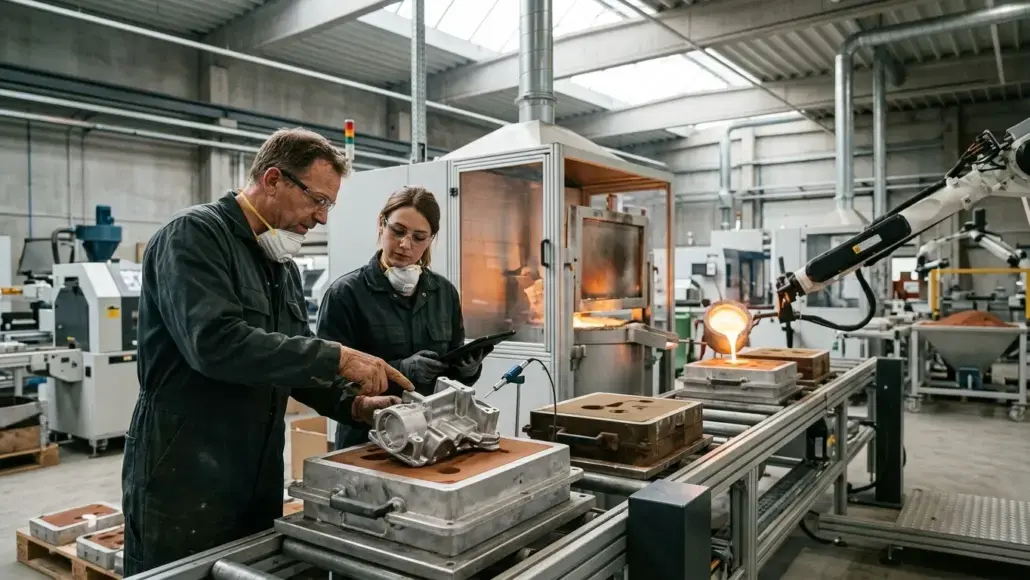
At the heart of any sustainable transformation lies the adoption of eco-friendly metal casting practices that prioritize energy conservation and waste minimization. Traditional foundries have historically been energy-intensive environments, often characterized by high emissions and significant material loss. However, the modern green foundry utilizes advanced thermal management systems and high-efficiency induction furnaces to minimize heat loss during the melting process. By optimizing the thermal cycles, operators can ensure that every kilowatt of energy is utilized effectively, reducing the overall carbon intensity of the cast products.
Implementing Sustainable Metallurgy for High Performance
The shift toward sustainable metallurgy involves more than just energy efficiency; it requires a scientific approach to alloy composition and metal purity. By refining the chemical processes used in the melt, foundries can produce components that are lighter, stronger, and more durable, which in turn reduces the demand for raw ore extraction. This focus on material science ensures that the finished products have a longer service life in the field, further contributing to the overarching goals of environmental sustainability. Advanced metallurgical monitoring tools now allow for real-time adjustments to the melt, preventing the formation of defects that would otherwise result in scrap and wasted energy.
Strategies for Emission Reduction in Smelting
One of the most visible challenges in the metal industry is the management of air quality and greenhouse gas outputs. Focused efforts on emission reduction in smelting have led to the development of sophisticated filtration and carbon capture systems designed specifically for the foundry environment. These systems do more than just filter particulates; they are increasingly capable of neutralizing hazardous gases and recapturing waste heat to be reused elsewhere in the facility. By closing the energy loop, foundries can operate with a much cleaner profile, meeting or exceeding international environmental standards without sacrificing throughput.
Advancing Recycled Metal Processing and the Circular Economy
A cornerstone of modern sustainable casting techniques is the aggressive integration of recycled metal processing into the standard production workflow. Utilizing scrap metal as a primary feedstock significantly reduces the energy required for smelting compared to processing virgin ore. The energy savings can be as high as ninety percent for metals like aluminum, making recycling a powerful tool for both cost reduction and environmental protection. For a green foundry to truly excel, it must establish robust supply chains for high-quality scrap and implement advanced sorting technologies to ensure the purity of the recycled inputs.
Technological Innovations in Sand Reclamation
In sand casting operations, the management of molding materials represents a significant waste stream. Modern facilities are now adopting advanced sand reclamation systems that allow for the repeated reuse of foundry sand. By mechanically and thermally treating the sand after each casting cycle, foundries can recover up to ninety-eight percent of the material, drastically reducing the need for new sand extraction and the environmental burden of disposing of spent foundry sand. This practice not only lowers logistical costs but also minimizes the disruption to local ecosystems caused by sand mining.
The Integration of Digital Control Systems
Precision is a prerequisite for sustainability. The application of smart sensors and digital twin technology allows foundry managers to visualize and optimize every aspect of the casting process in a virtual environment before a single drop of metal is poured. This digital approach to sustainable casting techniques ensures that the first pour is the right pour, eliminating the waste associated with trial-and-error manufacturing. By monitoring variables such as pour temperature, mold pressure, and cooling rates with extreme accuracy, foundries can achieve a level of consistency that was previously impossible, ensuring that every component meets the highest quality standards with the lowest possible environmental impact.
Future Horizons in Green Foundry Management
As we look toward the future of the mining and metal industries, the role of the foundry will continue to expand. The commitment to green foundry technology is fostering a culture of continuous improvement, where innovation is driven by the need to protect the planet. Future developments in sustainable casting techniques may include the use of hydrogen-based smelting and the complete electrification of the foundry floor, potentially leading to carbon-neutral metal production.
Building a Resilient Metal Supply Chain
For the broader mining industry, the efficiency of the foundry serves as a vital link in the supply chain. When foundries prioritize eco-friendly metal casting, they provide a market for sustainably mined materials and high-quality recycled products. This creates a virtuous cycle where every stakeholder in the metal lifecycle is incentivized to adopt greener practices. The ability to demonstrate a low-carbon footprint is becoming a competitive advantage, attracting investors and customers who value environmental responsibility as much as technical excellence.
Community and Environmental Synergy
The impact of a green foundry extends beyond its walls. By successfully achieving significant emission reduction in smelting and reducing the volume of solid waste, these facilities become better neighbors to the communities in which they operate. The reduction in noise, dust, and chemical runoff ensures that industrial progress does not come at the expense of local health and biodiversity. This social license to operate is essential for the long-term growth of the mining and metallurgical sectors, proving that industrial power and environmental care can indeed coexist harmoniously.
Ultimately, Mining Frontier highlights that the mastery of sustainable casting techniques is about more than just technology; it is about a mindset of stewardship. By embracing the principles of sustainable metallurgy and investing in the tools of the future, modern foundries are setting a new standard for the global metal industry. These efforts ensure that we can continue to build the infrastructure, machinery, and tools that society depends on, while preserving the natural resources and environmental health that will sustain future generations.