








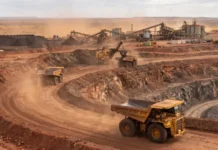
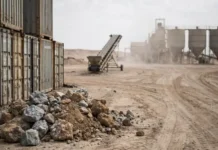
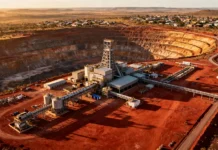
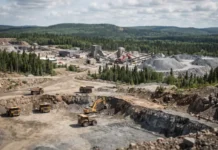
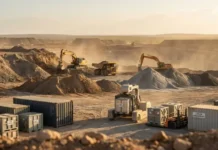

The extraction and processing of mineral resources require heavy machinery to operate under some of the most intense mechanical and physical stress in any industry. Equipment such as hydraulic excavators, cone crushers, SAG mills, slurry pumps, and heavy-duty conveyor systems are subjected to continuous impact, high load forces, abrasive dust, and corrosive mine water. In these challenging conditions, standard industrial components quickly wear down and fail, leading to frequent maintenance stops and lost production. To prevent this, modern resource extraction operations depend heavily on custom, precision engineering components supporting mining equipment across all stages of production. These components, manufactured to precise tolerances using advanced metallurgy, are designed to survive the harsh mechanical forces of the mine. By using high-performance wear resistant components, mining operations can ensure their heavy machinery achieves its maximum service life, optimizes equipment performance, and maintains high, reliable output levels.
The Mechanics of Wear and Stress in High-Impact Excavation
To design effective components for mining equipment, it is necessary to study the physical wear mechanisms that damage heavy machinery. In hard-rock extraction, mining machinery is constantly exposed to abrasive minerals like quartz, feldspar, and pyrite, which scratch and gouge metal surfaces. This sliding abrasion is often paired with high-impact forces, causing microscopic fractures and fatigue in standard structural steels. Furthermore, corrosive slurry and acid runoff accelerate this damage through chemical wear, turning small scratches into deep pits. Dragline buckets, shovel teeth, and jaw crusher dies are constantly hammered by rock blocks weighing several tons. This impact causes severe surface plastic deformation and micro-cracking. Precision engineering addresses these destructive forces by designing components with custom geometries and advanced surface protections. This specialized engineering ensures that high-wear areas, such as crusher plates, mill liners, and pump impellers, can withstand aggressive impact and wear, preventing premature component failure and keeping production running smoothly.
Material Science Innovations in Wear Resistant Components
Modern industrial manufacturing has developed advanced metallurgical alloys and composite materials to resist the severe wear typical of mining operations. Standard mild steel is frequently replaced with high-durability alloys, such as high-chromium white irons, manganese steels, and martensitic wear steels. Manganese steel is especially effective in heavy impact zones because it work-hardens under physical shock, becoming harder on its outer surface while maintaining a tough, shock-absorbing core. For high-abrasion, low-impact applications, such as slurry pump liners, high-chromium white iron provides excellent abrasive resistance due to its rich concentration of hard chromium carbides. By utilizing these specialized wear resistant components, mining enterprises can extend the intervals between major equipment overhauls, reducing overall maintenance costs and keeping high-value assets productive in the field. Cobalt-based superalloys and tungsten carbide cladding are also applied to areas experiencing intense heat and sliding wear, ensuring absolute surface stability under the most extreme friction.
Enhancing Mining Machinery Lifespan through Custom Manufacturing
Precision engineering plays a key role in ensuring that critical mechanical systems, such as gearboxes, drivetrains, and hydraulic actuators, achieve their maximum operational lifespan. Within a high-power mining gearbox, gear teeth are subjected to massive torque and continuous contact forces that can lead to micro-pitting and gear fatigue. To prevent these failures, gear components must be manufactured with extreme geometric accuracy, often with surface tolerances measured in micrometers. Modern industrial manufacturing processes, such as CNC gear grinding, vacuum carburizing, and laser cladding, allow for the production of gears with incredibly hard wear surfaces and strong, flexible cores. This high accuracy ensures perfect tooth contact and smooth load distribution across the gear set, minimizing friction, reducing heat buildup, and preventing the sudden, catastrophic failures that can ground an entire fleet of haul trucks, maximizing the operational availability of mining machinery.
Elevating Equipment Performance and Thermal Efficiency in the Field
Beyond wear resistance, precision-engineered components are essential for optimizing the overall equipment performance and energy efficiency of modern mining machinery. For instance, in high-pressure hydraulic systems, internal fluid leakage can cause a significant drop in operating pressure, reducing the shovel’s cycle times and increasing fuel or power consumption. High-tolerance seals, precision-ground pistons, and custom-honed cylinders prevent this internal bypass, ensuring that the hydraulic system operates at peak mechanical efficiency. Similarly, high-precision hydrodynamic bearings used in large grinding mills reduce rotational friction, lowering the immense electrical startup current required to rotate the mill. These efficiency gains directly translate to lower energy costs, reduced greenhouse gas emissions, and higher material processing rates, helping mines operate more sustainably while improving their bottom-line profitability and overall equipment performance.
Strategic Advantages of Sourcing Premium Industrial Manufacturing Parts
Sourcing high-quality, precision-engineered components is a strategic business decision that significantly improves a mine’s long-term operational resilience. While generic, third-party aftermarket parts may have a lower initial purchase price, they often suffer from poor tolerances, inconsistent material quality, and rapid wear rates. Using sub-standard parts can lead to frequent, unexpected breakdowns, high maintenance labor costs, and potential collateral damage to surrounding mechanical systems. In contrast, premium components manufactured under strict quality control standards ensure a perfect fit and reliable, predictable wear life. This reliability allows maintenance teams to plan shutdowns with confidence, knowing that components will last until the scheduled service interval. This shift from emergency, reactive repairs to systematic, scheduled replacements maximizes equipment availability and lowers the total cost of ownership of the mining fleet.
Integrating Smart Sensor Technology in Heavy Components
To take machinery diagnostics to the next level, modern precision components are increasingly embedded with smart electronic sensors during the industrial manufacturing process. This integration of sensor technology allows high-wear parts such as conveyor head pulleys, high-load bushings, and slurry pump casings to become self-monitoring assets. Small, heat-resistant piezoelectric sensors, ultrasonic wear transducers, and fiber-optic strain gauges can be cast or machined directly into the steel matrices of these parts. During operation, these sensors transmit continuous telemetry regarding material thickness, surface temperature, and load stress directly to the site’s SCADA network. For instance, as a grinding mill’s liner wear-plate thins down over months of abrasive contact, the embedded ultrasonic transducer measures the exact remaining steel thickness, allowing maintenance teams to schedule replacements down to the precise week of structural wear limit. This proactive tracking prevents unexpected breakthroughs and water leaks, maximizing physical safety and machinery uptime.
Future Horizons for Precision Engineering in Resource Extraction
As the mining industry adopts smart technologies and digital manufacturing, the field of precision engineering is expanding to include additive manufacturing, advanced surface coatings, and embedded smart sensors. 3D metal printing technology allows for the rapid, on-demand fabrication of complex wear parts directly at the mine site, reducing the need to carry expensive spare part inventories and minimizing shipping delays for remote operations. Furthermore, advanced surface coatings, like physical vapor deposition (PVD) and high-velocity oxygen fuel (HVOF) thermal spraying, can apply incredibly hard ceramic or carbide coatings to standard steel components, significantly boosting their wear resistance. When combined with embedded temperature and wear sensors, these smart components can continuously transmit their health status to maintenance teams, creating a highly reliable, efficient, and self-monitoring mining operation designed for long-term global success.
Advanced Metallurgical Testing and Quality Assurance Protocols
To ensure that precision-engineered components can withstand the brutal conditions of active mine sites, industrial manufacturing facilities must enforce rigorous quality assurance and non-destructive testing (NDT) protocols. Before any custom shaft, gear, or wear liner is shipped to a mine, it undergoes extensive evaluation to detect internal defects and micro-fractures that could lead to sudden failures under load. Techniques such as ultrasonic testing, magnetic particle inspection, and liquid penetrant testing are used to analyze structural integrity at a microscopic level. Additionally, metallurgical labs perform hardness profiling and spectroscopic analyses to confirm that the alloy composition matches the exact engineering requirements. Rockwell and Brinell hardness testing ensure the wear surfaces meet specified abrasion criteria, while Charpy V-notch impact testing measures core toughness under shock loading. This disciplined approach to quality control guarantees that each component delivered to the field possesses the required fatigue resistance, tensile strength, and wear properties, providing operators with absolute confidence in the reliability and mechanical safety of their heavy machinery.
The Economics of Component Customization and Overhaul Optimization
While off-the-shelf standard parts may seem convenient, custom component design often yields much better economic results over the lifespan of mining equipment. Every mine site has unique geological conditions; for instance, a copper mine processing highly abrasive silica ore requires different wear properties than a coal mine processing softer sedimentary rock. Sourcing custom-designed wear liners and components tailored specifically to the site’s geology allows operators to optimize wear life and minimize maintenance interventions. Over time, the extended service intervals and reduced labor costs associated with these custom parts far outweigh the custom engineering and manufacturing premiums. This optimized approach to machinery overhauls allows mining companies to balance high production goals with structured, cost-effective maintenance routines, ensuring long-term profitability and a lower cost per ton extracted. Customization also allows for a systematic reduction in wear propagation, creating a predictable wear cycle that integrates perfectly into annual asset lifecycle budgeting. This proactive design strategy ensures that critical wear components fail gracefully rather than catastrophically, protecting surrounding structures and significantly enhancing both workforce safety and long-term machinery productivity.