








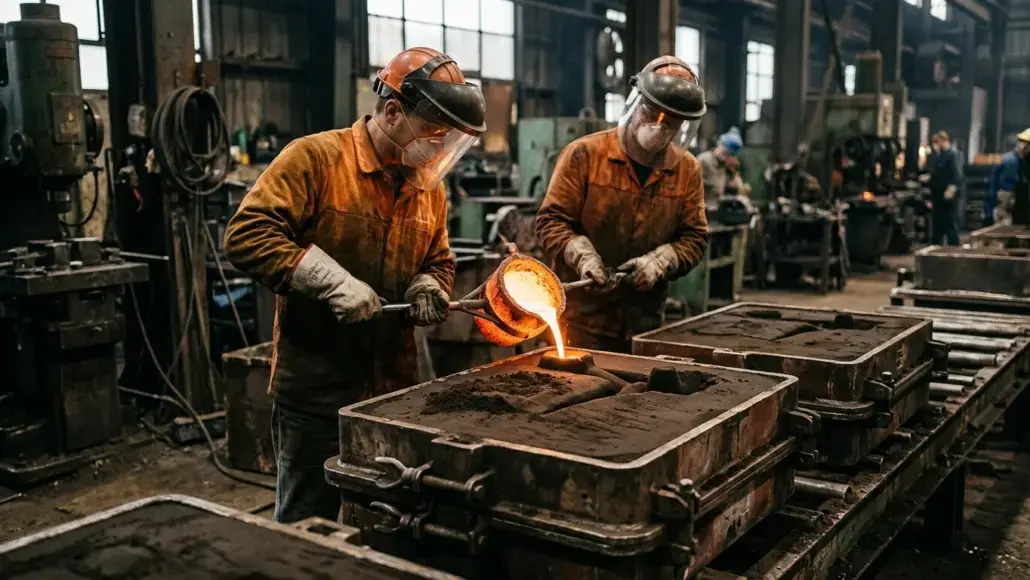

The art and science of sand casting have served as the foundation of the metallurgical world for centuries, providing a versatile and cost-effective means of shaping metal into the components that drive human progress. While the basic principles of traditional sand casting remain unchanged, the demands of modern industry have necessitated a radical evolution in how these processes are executed. For today’s industrial foundries, the transition to optimized sand casting processes is essential for meeting the dual goals of extreme precision and operational sustainability. Mining Frontier notes that by integrating advanced digital design tools with innovative material management, the industry is transforming this age-old technique into a high-tech manufacturing solution capable of producing parts with unprecedented complexity and quality.
Refining Mold Design Efficiency for Modern Production
The effectiveness of any casting operation begins with the engineering of the mold. In a modern facility, mold design efficiency is achieved through the use of sophisticated simulation software that allows engineers to visualize the flow of molten metal and the subsequent solidification process in high definition. These tools help to identify potential problem areas, such as air pockets or thermal stresses, before a single grain of sand is packed. By optimizing the placement of gates, risers, and vents, designers can ensure that the metal fills the mold cavity uniformly and cools at a controlled rate. This level of precision minimizes the risk of internal defects and ensures that the final part matches the intended geometry with remarkable accuracy.
Mastering Complex Casting Geometry in Industrial Molding
One of the greatest strengths of sand casting is its ability to create parts with complex casting geometry that would be nearly impossible to achieve through other manufacturing methods. From intricate engine blocks to massive pump housings used in deep-sea mining, the flexibility of industrial metal molding allows for the creation of internal voids and undercut features through the use of high-precision cores. Modern cores are often made using 3D printing technology, allowing for even more intricate designs without the need for expensive tooling. This capability is a game-changer for industries that require highly specialized components, as it allows for the consolidation of multiple parts into a single, robust casting, thereby reducing weight and assembly time.
The Role of Material Science in Industrial Metal Molding
Beyond the design of the mold, the composition of the sand itself is a critical factor in the success of optimized sand casting processes. Industrial foundries now utilize a variety of specialized sands, including silica, zircon, and chromite, each chosen for its specific thermal and mechanical properties. The addition of advanced chemical binders ensures that the mold retains its shape under the intense heat and pressure of the molten metal while still allowing for easy removal once the part has cooled. This balance of strength and permeability is essential for preventing gas-related defects and ensuring a smooth surface finish. By carefully controlling the sand-to-binder ratio, facilities can achieve a level of consistency that is vital for high-volume production cycles.
Advancing Foundry Sand Reclamation for Sustainability
As environmental regulations become more stringent and the cost of raw materials rises, the management of foundry waste has become a primary concern for the industry. The implementation of foundry sand reclamation systems is perhaps the most significant step toward making sand casting a more sustainable process. Traditionally, spent sand was often disposed of in landfills, representing a significant environmental burden and a waste of valuable resources. Modern reclamation technology allows foundries to recover up to ninety-eight percent of their sand by mechanically and thermally stripping away the spent binders and contaminants. This recycled sand is then returned to the production line, drastically reducing the need for new sand extraction and lowering the facility’s overall logistical costs.
Implementing Mechanical and Thermal Reclamation Systems
The process of foundry sand reclamation typically involves a combination of mechanical and thermal treatments. Mechanical reclamation uses attrition and vibration to break down sand lumps and remove the outer layers of the binder from individual grains. For more demanding applications, thermal reclamation systems heat the sand to high temperatures, effectively burning off any organic residues and restoring the sand to its original purity. By integrating these systems into the standard workflow, optimized sand casting processes become part of a circular economy, where material loss is minimized and the environmental footprint of the foundry is significantly reduced. This commitment to recycling not only benefits the planet but also enhances the long-term economic viability of the operation.
Enhancing Surface Finish Through Process Optimization
A common criticism of traditional sand casting was the relatively rough surface finish of the resulting parts. However, through the use of optimized sand casting processes, modern foundries are now producing components with finishes that rival those of more expensive methods. This is achieved through the use of finer-grained sands, advanced mold coatings (often referred to as washes), and more precise control over the pouring temperature and speed. A better surface finish not only improves the aesthetic quality of the part but also reduces the amount of secondary machining required. For the mining industry, where components often operate in abrasive environments, a smooth and dense surface is also a critical factor in resisting wear and corrosion.
The Economic Impact of Optimized Casting Workflows
For an industrial foundry to remain competitive, it must constantly find ways to reduce its cycle times and lower its scrap rates. The precision afforded by optimized sand casting processes leads directly to these outcomes. By getting the design right the first time through simulation and using high-quality reclaimed materials, facilities can significantly reduce the volume of defective parts. Furthermore, the automation of mold making and sand handling systems allows for a more consistent production pace, reducing the reliance on manual labor and lowering the overall cost per part. In a global market where price and quality are equally important, these operational efficiencies are the keys to long-term success.
Leveraging Automation in Industrial Metal Molding
The integration of robotics into the sand casting workflow has further enhanced the capabilities of modern foundries. Automated molding lines can produce hundreds of molds per hour with perfect repeatability, while robotic pouring systems ensure that the molten metal is delivered with the exact speed and volume required for each specific part. This level of automation not only improves the safety of the work environment by removing humans from the vicinity of molten metal but also eliminates the variability that can lead to defects. As these technologies become more accessible, even smaller foundries are finding that they can achieve world-class results through the adoption of optimized sand casting processes.
Future Horizons for the Sand Casting Industry
Looking to the future, the evolution of sand casting will continue to be shaped by the intersection of traditional craftsmanship and digital innovation. The use of artificial intelligence to optimize sand mixing and mold compaction is already being explored, promising even greater levels of process control. We may also see the development of new, completely biodegradable binders that further reduce the environmental impact of the process. As the mining and metallurgical sectors continue to demand larger and more complex components, the versatility and reliability of optimized sand casting processes will ensure that this venerable technique remains at the heart of industrial manufacturing for generations to come.
In conclusion, the transformation of traditional sand casting into a high-precision, sustainable manufacturing process is a testament to the ingenuity of the metallurgical industry. Through the strategic use of mold design efficiency, advanced foundry sand reclamation, and the mastery of complex casting geometry, modern foundries are setting new standards for quality and efficiency. These optimized sand casting processes are not just an improvement on the past; they are the foundation for a more productive and environmentally responsible industrial future. Mining Frontier sees that with this continuation of innovation and integration of new technologies, the sand casting industry will remain a vital partner in global progress.