








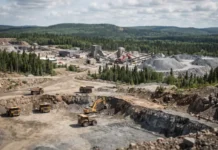
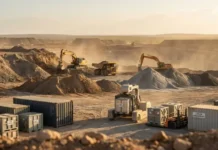
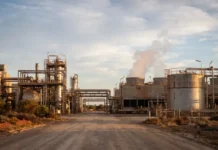
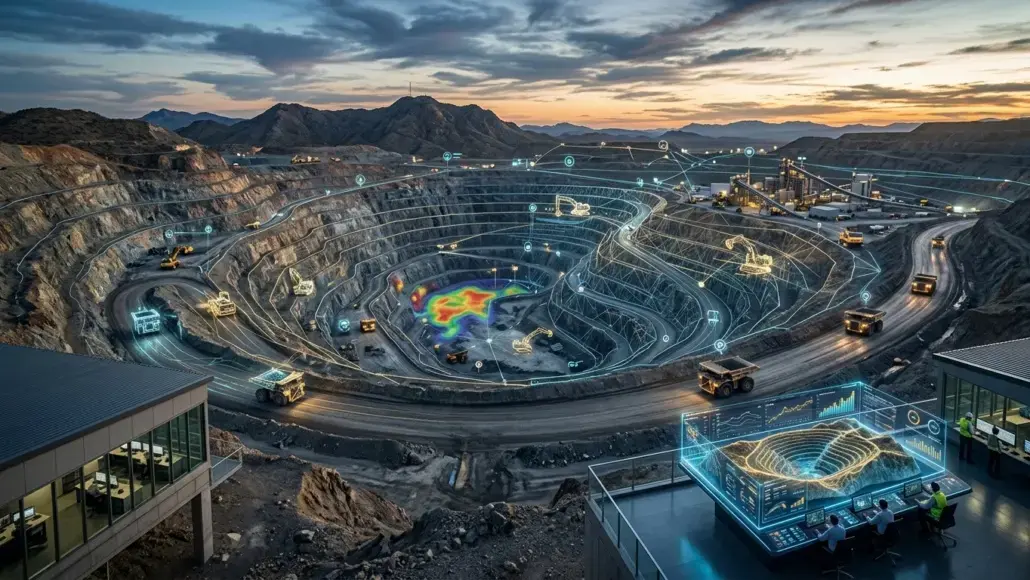

The modern mine is no longer just a physical site of extraction; it is a complex data-driven ecosystem. As the industry strives for greater efficiency, safety, and sustainability, the concept of the “digital twin” has emerged as a transformative technology. A digital twin is a dynamic, virtual replica of a physical asset, process, or system. In the context of the mining industry, it represents the pinnacle of smart mining infrastructure. By bridging the gap between the physical and digital worlds, digital twins enable operators to visualize, simulate, and optimize their entire operation in real-time, leading to a new era of connected and intelligent mining.
The Foundation of a Virtual Mining Environment
The creation of a digital twin begins with the deployment of a vast network of Industrial Internet of Things (IIoT) sensors across the mine site. These sensors are attached to everything from heavy machinery and processing plants to ventilation systems and the rock faces themselves. They collect a continuous stream of data on temperature, vibration, pressure, throughput, and chemical composition. This data is then transmitted via high-speed, low-latency networks (often private 5G) to a centralized platform that builds the virtual model.
This virtual model is not a static 3D map; it is a living entity that reflects the exact state of the mine at any given moment. If a haul truck slows down on a ramp, the digital twin shows it immediately. If a crusher starts to overheat, the virtual replica flags the anomaly before it leads to a breakdown. This level of visibility allows for a more proactive approach to management. Rather than reacting to problems as they occur, mine managers can use the digital twin to identify bottlenecks and inefficiencies before they impact production.
Predictive Maintenance and Asset Optimization
One of the most immediate benefits of digital twins smart mining is the implementation of predictive maintenance. Traditional mining maintenance is either reactive (fix it when it breaks) or preventative (fix it on a schedule). Both are inefficient. Reactive maintenance leads to expensive downtime, while preventative maintenance often involves replacing parts that are still perfectly functional. Predictive maintenance, powered by a digital twin, uses machine learning to analyze sensor data and predict when a component is likely to fail.
By identifying the early warning signs of wear and tear, mining companies can schedule repairs during planned outages, ensuring that spare parts and specialized technicians are on-site when needed. This significantly increases the “uptime” of critical equipment, such as excavators and SAG mills, which are the lifeblood of a mine’s profitability. Moreover, by optimizing how the machinery is used for example, by suggesting a more efficient driving path for a haul truck to reduce tire wear the digital twin extends the overall lifespan of the assets, maximizing the return on investment.
Enhancing Safety Through Simulation and Training
Mining remains one of the world’s most hazardous professions, but digital twins are making it safer. The virtual environment allows for the simulation of “what-if” scenarios that would be too dangerous to test in real life. For example, engineers can simulate the impact of a ventilation failure or a fire in an underground gallery and test the effectiveness of different evacuation routes. This data-driven emergency planning can save lives by identifying potential “blind spots” in safety protocols.
Digital twins also provide a revolutionary platform for worker training. New operators can be immersed in a virtual replica of the exact mine site where they will be working. Using VR headsets, they can practice operating complex machinery or navigating dangerous areas without any physical risk. This “situational awareness” is far superior to traditional classroom learning. When the operator finally enters the real mine, they are already familiar with the layout and the procedures, significantly reducing the likelihood of accidents caused by human error.
Real-Time Resource and Grade Control
Beyond asset management, digital twins are being used to optimize the core process of resource extraction. In a traditional mine, there is often a significant delay between sampling the ore and knowing its exact grade. A digital twin can integrate geological models with real-time data from sensors on the drill bits and shovels. This allows for “dynamic grade control,” where the operator knows the value of the material they are moving in real-time.
This information is used to optimize the blending of ore before it reaches the processing plant. By ensuring a consistent feed grade, the digital twin helps the plant operate at its peak efficiency, reducing the use of water and chemicals and maximizing the recovery of the target metal. This precision is essential in an era where ore grades are declining and environmental regulations are tightening. Every gram of metal recovered more efficiently is a direct win for both the bottom line and the planet.
Decarbonization and Sustainable Mining Operations
The push for “Green Mining” is a major driver for the adoption of digital twins. To meet ambitious carbon-neutral goals, mining companies must have a granular understanding of their energy usage. A digital twin can track the energy consumption of every asset across the site, identifying the biggest contributors to the mine’s carbon footprint. It can simulate the impact of switching to electric vehicles or installing an onsite solar farm, providing the data needed to justify these large-scale investments.
Furthermore, digital twins are used to optimize tailings management and land reclamation. By creating a virtual model of the waste storage facilities, engineers can monitor their stability in real-time and simulate the impact of extreme weather events. When the mine reaches the end of its life, the digital twin serves as a blueprint for reclamation, ensuring that the land is returned to a stable and ecologically sound state. By making the environmental impact visible and measurable, digital twins help mining companies maintain their social license to operate.
The Future of Autonomous Mining
The ultimate evolution of the digital twin is the fully autonomous mine. As the virtual models become more sophisticated, they will not just provide recommendations to human operators; they will directly control the machinery. We are already seeing this in the form of autonomous haulage systems (AHS) and remote operations centers. In these centers, a small team can manage a fleet of robots located thousands of kilometers away, using the digital twin as their primary interface.
This transition to autonomy is driven by the need for efficiency and the challenge of attracting labor to remote regions. A digital twin provides the “eyes and ears” for the autonomous system, ensuring that the robots can navigate the complex and changing environment of a mine site safely. As AI and sensor technology continue to improve, the digital twin will become the “brain” of the operation, coordinating every movement and process to achieve the highest possible level of productivity.
Conclusion
Digital twins are the cornerstone of the next industrial revolution in mining. By providing a real-time, virtual replica of complex operations, they allow for a level of precision and foresight that was previously impossible. From predictive maintenance and worker safety to resource optimization and decarbonization, the benefits of digital twins smart mining are felt across the entire value chain. As the industry continues to modernize its infrastructure, those who embrace these digital tools will be the best positioned to navigate the challenges of the 21st century. The mine of the future will be defined not just by the depth of its shafts, but by the sophistication of its data, and the digital twin is the key to unlocking that potential.