








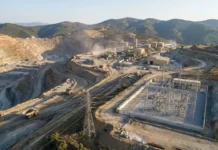
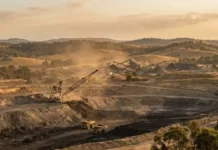
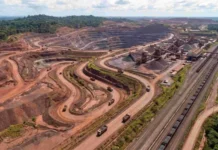
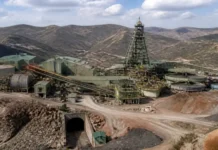

In the modern heavy resource extraction industry, operational efficiency and profitability are closely tied to the continuous performance of massive machinery fleets. Equipment such as excavators, haul trucks, continuous miners, SAG mills, and conveyors are designed to work non-stop in the most demanding geological and environmental conditions on earth. In these high-intensity settings, a single mechanical failure can bring a multi-million-dollar production line to an immediate halt. Unplanned machinery stoppage represents a massive financial drain, with some larger operations estimating the cost of idle machinery at tens of thousands of dollars per hour. Consequently, the adoption of specialized, durable tooling solutions reducing mining downtime is a critical priority for reliability engineers and maintenance managers worldwide. By investing in premium, high-strength industrial tools and engineered maintenance systems, mining companies can secure their equipment availability, optimize routine servicing, and drive higher levels of mining productivity.
The Staggering Costs of Machine Failures and Operational Stoppage
To understand the value of premium maintenance equipment, it is necessary to examine the economic impact of unplanned downtime in modern mining operations. When a primary asset like a high-capacity jaw crusher or a dragline experiences structural or mechanical failure, the consequences propagate throughout the entire mining supply chain. Downstream material processing plants are starved of raw feed, haul truck fleets are forced to wait in long queues, and shipping schedules are disrupted, leading to potential demurrage penalties at the port. In addition to lost production revenue, emergency repairs incur high overtime labor rates, rapid shipping fees for replacement parts, and increased safety risks for technicians working under pressure. Implementing a proactive mining maintenance strategy supported by heavy-duty tooling solutions is the primary method for mitigating these vulnerabilities, allowing operators to transition from high-stress emergency interventions to structured, cost-effective maintenance routines that protect profitability, extend critical asset lifespans, and secure consistent material processing volumes across the entire extraction facility.
Advanced Materials and Metallurgy in High-Durability Maintenance Implements
The aggressive physical environments typical of mining sites demand that maintenance tools possess exceptional physical strength, wear resistance, and fatigue life. Standard hand and power tools manufactured for light industrial or commercial use fail rapidly when subjected to the high-torque, high-impact tasks required to service heavy mining machinery. To withstand these extreme physical stresses, premium industrial tools are manufactured using advanced metallurgical alloys and specialized heat treatment processes. Tools such as high-capacity hydraulic jacks, heavy-duty impact sockets, and high-torque manual multipliers are forged from high-tensile chrome-vanadium, chrome-moly, or nickel-alloy steels. These alloys are subjected to precise vacuum hardening and cryogenic tempering to achieve a perfect balance of surface hardness and core ductility. This structural metallurgy ensures that the tools can transmit immense mechanical forces without shattering or yielding, ensuring long-term tool reliability and protecting technicians from sudden tool failures under load.
Maximizing Equipment Availability Through Superior Mechanical Accuracy
Achieving high equipment availability requires that all mechanical components are installed, aligned, and secured to exact engineering specifications during routine servicing. When high-value parts like turbine gears, drivetrain shafts, or heavy wheel hubs are assembled using inaccurate or low-quality tools, microscopic misalignments and uneven load distributions can easily occur. These minor physical variations introduce severe vibration frequencies that accelerate the fatigue of bearing assemblies and structural joints, leading to premature machinery failure in the field. Sourcing premium tooling solutions during equipment rebuilds ensures that technicians can apply precise mechanical forces and verify technical alignments with absolute accuracy. High-precision torque wrenches, hydraulic bolt tensioners, and computerized laser alignment tools allow maintenance crews to execute complex assembly sequences in perfect compliance with manufacturer specifications, directly extending the service intervals of the machinery, ensuring maximum uptime, and providing a highly stable mechanical base that guarantees continuous operation under extreme field conditions.
Optimizing Daily Maintenance Routines to Reduce Wear and Fatigue
The direct link between robust tooling solutions and mining downtime reduction is clearly evident in the daily workflow of the maintenance workshop. During scheduled shutdowns, maintenance crews must work quickly and methodically to complete a massive checklist of component inspections, wear-plate replacements, and fluid overhauls. Having access to specialized, rapid-acting maintenance tools allows technicians to complete these repetitive tasks in a fraction of the time required by standard equipment. For example, replacing worn-out wear liners on a heavy dump truck body or a primary hopper is a labor-intensive task that requires removing and replacing dozens of high-strength structural bolts. When technicians are equipped with high-speed, battery-powered torque tools and hydraulic impact pullers, they can complete the liner replacement hours ahead of schedule. These time savings add up to valuable production hours, allowing the haul fleet to return to active service sooner and significantly boosting overall mining productivity.
Advanced Tool Calibration and Quality Control Systems
To guarantee that maintenance tasks are executed with consistent precision, tooling systems must be backed by a rigorous calibration and quality control framework. Even the most durable hydraulic tensioner or torque multiplier can develop measurement drift over months of heavy exposure to dust, moisture, and temperature swings. Utilizing uncalibrated tools introduces significant variability into bolted joint pre-loads, compromising mechanical safety. Modern maintenance shops address this issue by adopting integrated calibration stations that automatically track each tool’s usage count and calibration status. These smart calibration systems can run automated diagnostic routines, identifying seal wear in hydraulic cylinders or micro-yield behaviors in torque springs before they impact field work. This systematic approach ensures that every tool deployed in the field operates within its exact specified parameters, maintaining structural integrity across the equipment fleet and preventing premature post-maintenance component failures.
Technological Standardization of Tools Across Mining Workshops
An often overlooked aspect of operational efficiency is the standardization of tooling systems across all maintenance workshops and mobile service vehicles on a mine site. When different teams utilize a disjointed mix of tool brands, drive sizes, and calibration standards, the complexity of managing maintenance inventory increases dramatically. This lack of standardization can lead to serious delays when a critical repair is put on hold because a technician cannot locate a specific adapter or calibrated torque device. Implementing a site-wide tooling standardization program ensures that all workshops utilize a consolidated selection of high-quality, fully compatible industrial tools. This simplification reduces warehousing overhead, simplifies technician training, and ensures that mobile maintenance crews always have the exact tools they need when responding to emergency breakdowns in remote corners of the mine, directly supporting rapid repair turnarounds and lower downtime.
The Economics of Tool Customization and Wear Analytics
While the initial procurement cost of premium, precision-engineered tooling is higher than standard off-the-shelf equipment, the long-term return on investment is immediate and substantial. High-durability tools are designed for long-term service, with many manufacturers offering comprehensive rebuild and calibration programs that extend the operational life of the tools for years. Furthermore, advanced tool manufacturers can custom-engineer specialized maintenance fixtures and lifting rigs tailored to the specific dimensions of a mine’s heavy machinery. For example, a custom-designed hydraulic cylinder puller can turn a complex, multi-man, day-long maintenance task into a simple, automated procedure that takes only two hours. This dramatic increase in maintenance efficiency directly translates into thousands of dollars in labor savings and recouped production revenue, proving that premium tooling is a high-yield strategic asset rather than a simple operational expense.
Building Operational Continuity with Resilient Maintenance Programs
Maintaining long-term operational continuity in the highly competitive global mining market requires a commitment to continuous improvement and technical excellence. As extraction operations face declining ore grades and increasing processing complexity, the pressure to optimize asset utilization has never been higher. A resilient maintenance program, built upon a foundation of proactive diagnostics, trained technicians, and high-performance tooling solutions, provides the mechanical stability needed to navigate these industry-wide challenges. By ensuring that every maintenance task—from a simple hydraulic hose swap to a massive dragline swing-gear overhaul—is executed with the highest level of mechanical precision and physical durability, mining companies can establish a highly reliable, safe, and efficient operational workflow. This commitment to physical reliability minimizes the risk of unexpected operational stoppages, protects the health and safety of the workforce, and secures the long-term profitability of the mining enterprise.
Enhancing Technicians Safety and Operational Confidence
Beyond the technical and economic metrics of machinery performance, the deployment of durable tooling solutions is closely linked to workforce safety and operational confidence. Heavy-duty mining maintenance is inherently high-risk, involving high-pressure systems, massive suspended loads, and extreme mechanical forces. When standard tools fail or slip under load, the risk of severe workplace injuries increases dramatically. Premium industrial tools are built with extensive safety features, such as dual-hand controls, reaction arms with integrated safety switches, and overload protection mechanisms. By ensuring that tools do not break or fail under extreme loads, mining companies protect their technicians from sudden energy releases and musculoskeletal strain. Safe maintenance environments foster a more methodical and high-quality repair standard, as technicians can work with confidence and precision without being forced to rush through dangerous tasks. Ultimately, a safe, well-equipped workforce performs superior maintenance, resulting in highly reliable equipment, minimized operational risks, and a resilient, productive mining enterprise.