

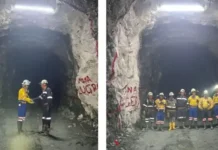

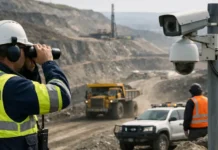







In the high-hazard realm of modern resource extraction, the preservation of human life and the safeguarding of heavy physical assets are the most critical priorities for operational managers. Underground galleries, deep open-pit slopes, and busy material processing plants present an array of complex mechanical, chemical, and environmental threats. In these challenging and dynamic environments, the deployment of specialized industrial safety equipment advancing mining protection has evolved from a standard regulatory requirement into a sophisticated engineering strategy. Today, leading extraction operations utilize highly engineered safety solutions to systematically reduce operational risks, isolate workers from machinery hazards, and protect the workplace from catastrophic events. By investing in high-durability protection systems, mining organizations can ensure that their technical crews work with absolute confidence, directly improving productivity and creating a resilient operational environment designed for long-term global success.
Overcoming the High-Risk Realities of Resource Extraction
Operating deep underground or on steep open-pit highwalls exposes mining personnel to intense mechanical stresses, unpredictable geological formations, and hostile atmospheric conditions. The risk of rockbursts, slope failures, dust explosions, and toxic gas releases requires a comprehensive, multi-layered approach to worker protection. Traditional safety measures, which often relied on basic manual warnings and passive structural supports, are no longer sufficient to handle the scale and depth of modern mining operations. Today, protecting the modern workforce requires the integration of high-performance mining safety equipment that can actively monitor, adapt to, and mitigate environmental hazards in real time. This technical transition is especially critical as mines delve deeper into the earth, where rock pressures rise, temperatures escalate, and ventilation pathways become increasingly complex, making advanced engineering controls and protective equipment essential for daily survival.
Structural and Mechanical Innovations in Mining Safety Equipment
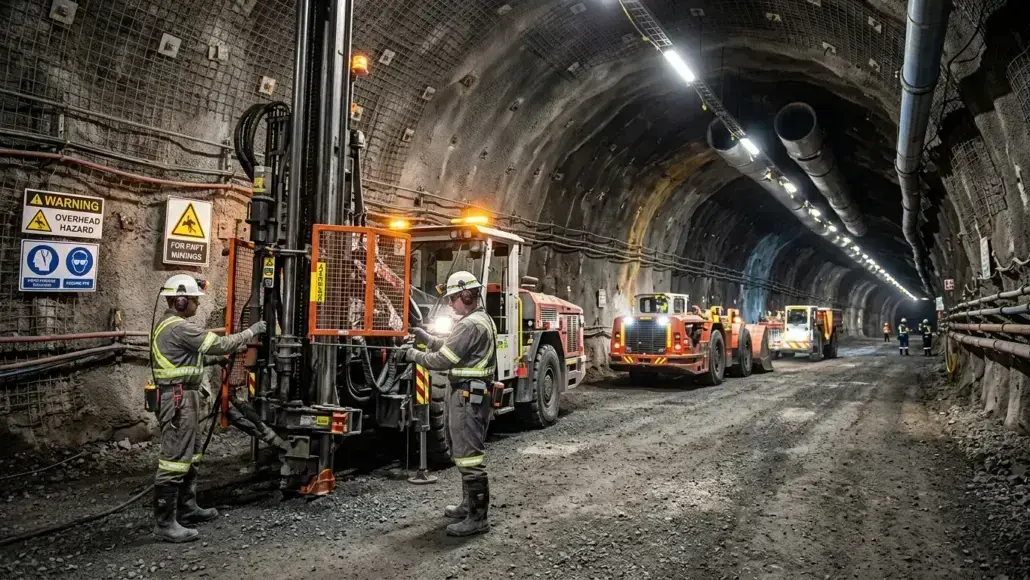
Physical safety in mining begins with the structural integrity of the machinery and the surrounding workspace. Massive excavation equipment, such as dump trucks, hydraulic shovels, and longwall shearers, must be equipped with robust rollover protective structures (ROPS) and falling object protective structures (FOPS). These engineered steel cages are designed to withstand extreme impact forces, protecting the operator in the cabin during catastrophic slope slides or rockfalls. Additionally, conveyor belts, crushing circuits, and rotary shafts must utilize heavy-duty machine guarding and interlocking safety switches that instantly cut power when a guard is opened or breached. These physical barriers prevent accidental contact with moving parts, eliminating a leading cause of severe mechanical injuries in processing plants and ensuring that routine maintenance can be conducted under highly secure, zero-energy conditions.
Personal Worker Protection and Sensory Gear
While engineering controls isolate mechanical hazards, personal worker protection gear serves as the final, critical line of defense for individual technicians. Modern personal protective equipment (PPE) has moved far beyond the basic hard hat and steel-toed boots of the past. Today’s technicians are equipped with advanced multi-gas detectors, smart safety helmets with integrated communication headsets, and high-durability respiratory systems. In underground coal mines, where methane gas and coal dust present continuous explosion hazards, workers carry self-contained self-rescuers (SCSRs) that provide a rapid, independent supply of breathable oxygen during emergency evacuations. Furthermore, modern safety apparel utilizes advanced flame-resistant and high-visibility fabrics that withstand harsh abrasive wear and chemical exposure, ensuring that technicians remain highly visible to heavy equipment operators in dark underground drifts or dusty open-pit environments.
Implementing Proactive Hazard Prevention Protocols
Establishing a highly secure mining operation requires a shift from reactive emergency response to proactive hazard prevention. Advanced safety hardware is designed to identify and isolate dangerous conditions long before they can lead to injuries or equipment damage. For instance, high-resolution thermal imaging cameras and continuous vibration monitoring sensors are installed on high-voltage electrical enclosures and heavy conveyor pulleys to detect abnormal heat buildup or structural friction. Similarly, automated slope stability radar systems continuously scan open-pit highwalls, detecting microscopic ground movements that indicate a potential landslide. By analyzing this real-time data, safety teams can implement early warning protocols and evacuate personnel and mobile machinery from the hazard zone hours before a structural failure occurs, successfully preventing catastrophic accidents and preserving operational continuity.
Ventilation Management and Atmospheric Protection Systems
In underground extraction, the management of the mine atmosphere is a critical life-support function that relies heavily on advanced ventilation monitoring and engineering. Toxic and explosive gases, such as carbon monoxide, methane, and hydrogen sulfide, can accumulate rapidly in poorly ventilated drifts, posing immediate threats to the workforce. Modern ventilation-on-demand (VOD) systems utilize network-connected gas sensors and variable-speed fan controllers to continuously analyze the mine air composition and deliver optimal airflow to active working faces. These systems ensure that dust concentrations from blasting and loading operations are quickly diluted and extracted, preventing respiratory illnesses like silicosis and reducing the risk of coal dust explosions. By maintaining a clean, breathable atmosphere throughout the underground workings, advanced ventilation hardware directly supports worker health, enhances operational efficiency, and secures a safer workplace.
Smart Industrial Safety Solutions and Digital Integration
The ongoing digital transformation of the mining sector has enabled the development of smart industrial safety solutions that link physical safety hardware with enterprise data networks. Wearable IoT devices, such as smart vests and proximity detection tags, are worn by ground workers to continuously transmit their location to surrounding heavy vehicles. If a worker gets too close to a haul truck’s blind spot, the truck’s cabin display sounds an immediate alarm and can automatically apply the vehicle’s brakes to prevent a collision. Furthermore, smart ventilation systems in underground mines utilize automated gas sensors to monitor carbon monoxide, nitrogen dioxide, and oxygen levels, automatically adjusting airflows to clear toxic blasting fumes and maintain safe air quality. This seamless integration of physical hardware, wireless networks, and data analytics creates a highly responsive safety ecosystem that adapts dynamically to changing underground conditions.
Aligning Safety Technology with Global Mining Compliance
Maintaining a safe extraction site is deeply linked to regulatory compliance and legal accountability. Global regulatory bodies, such as the Mine Safety and Health Administration (MSHA) in the United States and similar national agencies worldwide, enforce strict standards regarding equipment design, environmental monitoring, and worker training. Implementing advanced mining safety equipment is essential for satisfying these complex mining compliance standards and avoiding costly shutdown orders or legal penalties. Modern safety hardware often features automated self-testing capabilities and digital logging systems that record every safety check, calibration cycle, and alarm event. This digital record-keeping provides compliance officers with instant, tamper-proof proof of regulatory adherence, simplifying site audits and demonstrating the mining enterprise’s unwavering commitment to the highest standards of physical protection and operational excellence.
Emergency Response Systems and Mine Rescue Advancements
Even with the most sophisticated prevention protocols, mining operations must maintain rapid, high-capacity emergency response and rescue systems to address unforeseen critical events. Modern refuge chambers, designed as high-strength steel capsules, are strategically placed throughout underground networks to provide up to ninety-six hours of survival support, complete with air scrubbers, food, water, and dedicated oxygen generators. Additionally, mine rescue teams are equipped with highly specialized hydraulic cutting gear, thermal imaging devices, and high-frequency underground radios that can penetrate hundreds of meters of solid rock. These technical advancements ensure that if a cave-in or gas ignition occurs, rescue operations can be conducted immediately and methodically. This commitment to continuous safety training and high-durability rescue systems forms a crucial safety net, protecting lives during complex emergencies and minimizing long-term risks across the entire mining facility.
Evaluating the Economic and Operational Returns of Safety
While some operators may view premium safety equipment as a significant capital expense, a comprehensive financial evaluation reveals that robust protection systems deliver substantial economic returns. A single major workplace injury or equipment fire can result in millions of dollars in direct medical costs, machinery damage, legal liability, and lost production volume. By investing in high-performance hazard prevention and worker protection systems, mining companies can dramatically lower their insurance premiums, reduce equipment repair costs, and minimize unplanned operational downtime. Furthermore, a safe work environment boosts workforce morale and reduces employee turnover, as technicians are more productive and focused when they know their safety is protected by the best technology available. Ultimately, prioritizing worker protection through advanced safety equipment is a primary driver of long-term profitability and sustainable resource extraction globally.
Cultivating a Deep Safety Culture Among Workforce Teams
Technology and hardware alone cannot guarantee safety; they must be supported by a deeply embedded safety culture within the workforce. The most advanced mining safety equipment is only effective when technicians are fully trained in its correct application, maintenance, and interpretation. Mining organizations must establish continuous, interactive training programs that utilize virtual reality (VR) simulations to prepare workers for high-risk scenarios, such as emergency underground evacuations or toxic gas handling. This hands-on training ensures that technicians develop a deep, intuitive understanding of their protective gear and safety protocols. When every individual on-site from junior laborers to senior engineers takes personal responsibility for hazard prevention and respects safety protocols, the physical equipment becomes a powerful extension of a unified, highly disciplined workforce dedicated to achieving zero harm across all mining operations. This holistic approach ensures that physical safety is not just a policy but an active, daily practice that sustains long-term operational excellence.