









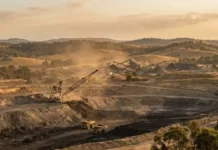
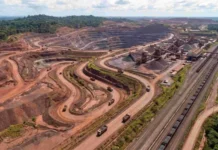
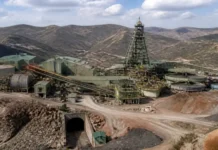
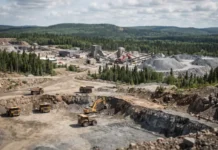
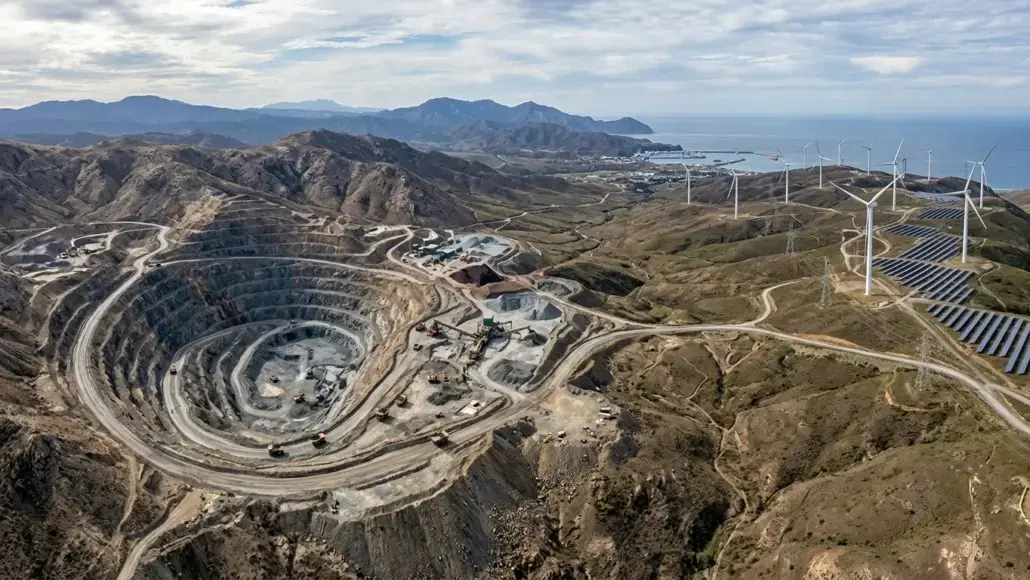

In the high-stakes world of clean energy technology, a group of seventeen elements known as rare earth minerals plays an outsized role. Despite their name, these elements are not particularly “rare” in the Earth’s crust, but they are rarely found in concentrations that make mining economically viable. Today, they are at the very heart of the global shift toward sustainability. From the powerful magnets in offshore wind turbines to the precision motors of electric vehicles, rare earth mining is the essential precursor to the deployment of clean energy at scale. As the world accelerates its decarbonization efforts, securing a stable and ethical supply of these minerals has become a defining challenge for the 21st century.
The Technical Necessity of Rare Earth Elements
The value of rare earths lies in their unique magnetic, phosphorescent, and catalytic properties. Elements like neodymium, praseodymium, and dysprosium are critical for the production of permanent magnets. These are not your typical refrigerator magnets; they are high-performance components that can maintain their magnetic field even under extreme temperatures and stress. In a wind turbine, these magnets allow for the design of direct-drive generators that are more reliable and require less maintenance than traditional geared systems. This is particularly crucial for offshore wind, where the cost of repairs is astronomical.
Similarly, in the automotive sector, rare earth magnets enable the creation of smaller, lighter, and more efficient electric motors. This efficiency translates directly into better range for the consumer and lower material costs for the manufacturer. While some manufacturers are exploring magnet-free motor designs to avoid supply risks, the overwhelming majority of the high-performance EV market remains dependent on rare earth chemistry. The specialized nature of these applications means that there is currently no high-performance substitute for these minerals, making their extraction a non-negotiable part of the clean energy infrastructure.
The Complexity of Rare Earth Extraction and Refining
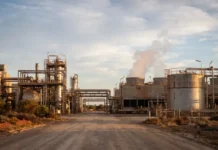
Mining rare earths is a notoriously complex and environmentally sensitive process. Unlike gold or copper, rare earth elements are often chemically bonded with other minerals, frequently including radioactive thorium or uranium. Separating these elements requires a series of sophisticated chemical baths and solvent extraction processes. This complexity has historically led to a high environmental footprint, particularly in regions with lax regulatory oversight. However, the modern era of rare earth mining is characterized by a drive toward higher standards and “green” processing.
New mining projects in Australia, North America, and parts of Africa are implementing closed-loop processing systems that recycle water and chemicals, significantly reducing waste. Furthermore, advanced tailings management techniques are being used to safely store radioactive byproducts. The goal is to prove that rare earth mining can be done responsibly, ensuring that the “green” technology of the future is not built on a foundation of environmental degradation. This shift is not just driven by ethics but by necessity, as Western OEMs demand fully transparent and ESG-compliant supply chains.
Geopolitical Strategy and Supply Chain Diversity
The current landscape of rare earth mining is heavily concentrated in a few geographic regions, which has created a strategic vulnerability for many nations. This centralization has led to “mineral diplomacy,” where access to rare earth resources is used as a lever in broader trade and political negotiations. In response, countries are moving aggressively to diversify their supply chains. This involves both the opening of new mines and the development of domestic refining and magnet-making capabilities.
Developing a “mine-to-magnet” supply chain is a multi-year endeavor that requires significant government support and private investment. In the United States and Europe, grants and tax incentives are being used to de-risk the development of new rare earth separation plants. The idea is to create a parallel supply chain that can operate independently of any single region. This diversification is essential for the long-term stability of the clean energy sector, providing manufacturers with the confidence to make long-term investments in new technologies.
Technological Innovations in Rare Earth Usage
While expanding supply is one part of the equation, the industry is also working to reduce its dependence on the most “critical” of the rare earths. Research and development are focused on “heavy” rare earths like dysprosium and terbium, which are particularly scarce and expensive. Engineers are finding ways to use “grain boundary diffusion” and other advanced techniques to place these elements only where they are most needed in a magnet, rather than throughout the entire structure. This can reduce the heavy rare earth content by up to 80% without sacrificing performance.
Another area of innovation is the development of non-rare earth alternatives. While they haven’t yet matched the performance of neodymium magnets, progress is being made in iron-nitride and other advanced magnetic materials. For less demanding applications, these alternatives could provide a vital safety valve, freeing up the limited supply of rare earths for high-performance wind turbines and premium EVs. This dual-track approach expanding supply while optimizing usage is the most realistic path toward a sustainable rare earth ecosystem.
The Role of Rare Earths in Global Decarbonization
The expansion of clean energy is not just a technological challenge but a material one. Every gigawatt of wind power and every million EVs added to the road requires a predictable flow of rare earth minerals. This connection makes rare earth mining a direct facilitator of global climate goals. Without these minerals, the efficiency of our green infrastructure would plummet, requiring more land, more energy, and more resources to achieve the same carbon reduction results.
This realization is driving a change in how the public perceives mining. Once seen as a legacy “dirty” industry, mining is increasingly recognized as a vital partner in the green transition. This shift in perception is helping to attract a new generation of engineers and scientists to the field, who are eager to solve the complex chemical and geological problems associated with rare earth extraction. By positioning rare earth mining as a core component of the clean energy story, the industry is securing the social and political support it needs to scale up.
Building a Circular Economy for Rare Earths
As we deploy millions of tons of rare earth-containing products, we must also plan for their eventual recovery. Rare earth recycling is currently in its infancy, largely because the concentrations in most electronics are so small that recovery is difficult and expensive. However, large-scale components like wind turbine generators and EV motors provide a much more attractive target for recycling.
New technologies are being developed to “strip” magnets from decommissioned motors and process them back into high-purity rare earth oxides. This not only conserves resources but also creates a domestic supply of minerals that is entirely independent of geological or political constraints. As the first generation of large-scale renewable infrastructure begins to reach the end of its lifespan in the 2030s, recycling will transition from a niche activity to a major source of rare earth supply, completing the circle of sustainability.
Conclusion
Rare earth mining is the foundation upon which much of our clean energy future is built. From the magnets that generate power to the motors that use it, these unique elements are indispensable. While the challenges of supply chain concentration and environmental impact are real, the industry is responding with innovation, diversification, and a commitment to higher standards. By ensuring that rare earth mining is both sustainable and secure, we can guarantee that the transition to a low-carbon world is powered by the most efficient and reliable technologies possible. The path to clean energy expansion is paved with rare earth minerals, and our ability to manage them wisely will determine our success in the fight against climate change.