






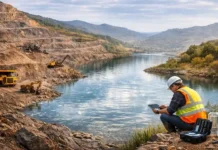
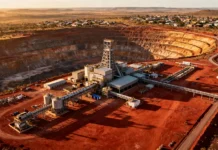
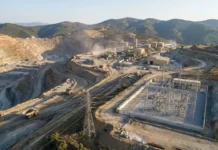
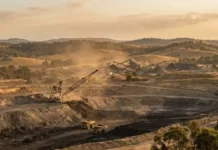
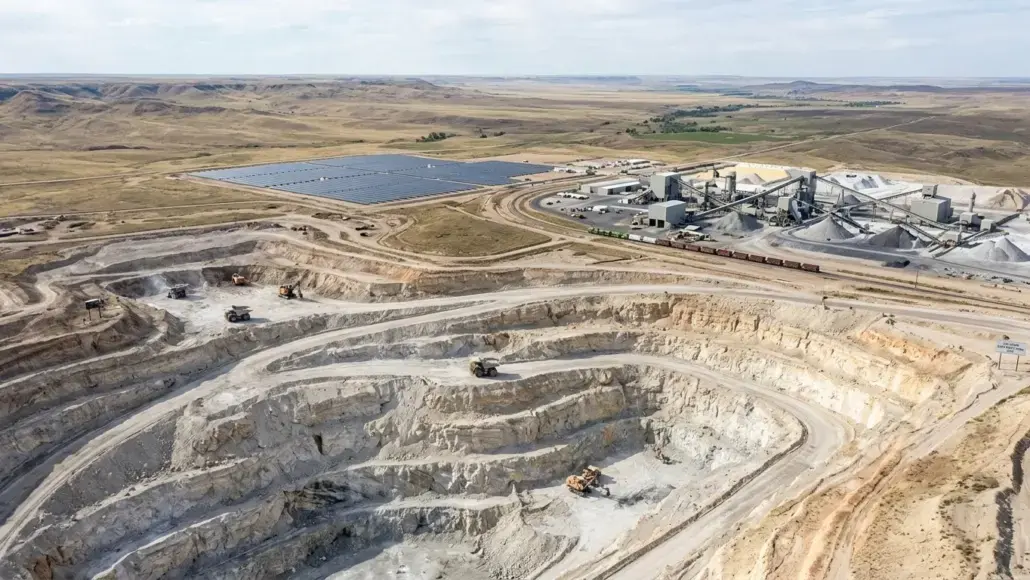

The global mining industry is currently in the midst of a historic capital reallocation. For decades, investment in the sector was driven by industrialization in emerging markets, with a focus on iron ore, coal, and base metals. Today, the focus has shifted decisively toward the minerals that will power the green economy. Battery metals investments are now the primary catalyst for mining expansion, as investors recognize that the energy transition is not just a policy goal but the most significant commercial opportunity of the century. This influx of capital is transforming the industry; from the way projects are funded to the speed at which they are brought to market.
The Shift in Capital Allocation Toward Green Minerals
The surge in investment is being driven by a rare alignment of government policy, consumer demand, and corporate strategy. Governments around the world are providing billions in subsidies and low-interest loans to secure their domestic supply chains for lithium, nickel, cobalt, and graphite. At the same time, institutional investors are increasingly applying ESG (Environmental, Social, and Governance) filters to their portfolios, leading them away from fossil fuels and toward the “solutions-oriented” mining of battery metals. This has created a massive pool of capital that is specifically earmarked for green mineral projects.
This shift is particularly evident in the junior mining sector. Historically, small exploration companies struggled to find the funding needed to transition from discovery to feasibility. Now, high-quality lithium and nickel projects are attracting attention from venture capital and specialized private equity firms early in their lifecycle. This early-stage funding is crucial for accelerating the development timeline, allowing projects to move through the permitting and engineering phases much faster than they would have in a traditional market cycle.
Automotive OEMs as Direct Investors
One of the most significant developments in the current cycle is the emergence of automotive original equipment manufacturers (OEMs) as direct investors in mining companies. In a bid to secure their future production lines, giants like Tesla, General Motors, and Volkswagen are no longer content to wait at the end of the supply chain. They are moving “upstream,” signing multi-year off-take agreements and taking direct equity stakes in mining projects. This provides the miners with the “bankability” they need to secure traditional debt financing for construction.
For the automotive companies, these investments are a form of insurance against price volatility and supply shortages. By locking in their material costs and ensuring a guaranteed supply of battery-grade minerals, they can better plan their long-term EV rollout strategies. This trend toward vertical integration is blurring the lines between the automotive and mining industries, creating a more interconnected and resilient supply chain that is fundamentally different from the one that powered the internal combustion era.
The Global Expansion of Nickel and Cobalt Production
While lithium often gets the most attention, the investment landscape for nickel and cobalt is equally dynamic. High-nickel chemistries are essential for long-range EVs, leading to a scramble for high-purity, Class 1 nickel. This has spurred massive investments in regions like Indonesia, which has become the global hub for nickel production. However, because most Indonesian nickel is found in laterite ores, bringing it to battery-grade quality requires complex and capital-intensive high-pressure acid leaching (HPAL) technology.
Cobalt, despite efforts to reduce its usage in batteries, remains a critical component for safety and energy density in many chemistries. The investment here is focused on ensuring ethical and transparent supply chains. Companies are investing in large-scale, mechanized cobalt mines in the Democratic Republic of Congo (DRC) to move away from the risks associated with artisanal mining. At the same time, there is a push to develop “cobalt-free” alternatives and to expand production in more stable jurisdictions like Australia and Canada. These geographical and technological shifts are all being funded by the current wave of battery metals investments.
De-Risking the Mining Lifecycle Through Technology
Investment is also flowing into the technologies that make mining more efficient and less risky. Exploration technology, powered by AI and satellite data, is being used to identify new deposits with greater precision, reducing the cost of “blind” drilling. On the operational side, investment in automation and digital twins is allowing mining companies to optimize their throughput and reduce waste. These efficiency gains are essential for keeping production costs down in an environment where inflation and labor shortages are constant threats.
Furthermore, capital is being used to de-risk the environmental impact of new projects. Investors are increasingly demanding that mines have a clear plan for carbon neutrality, water management, and social impact. Funding is being directed toward onsite renewable energy plants, water recycling systems, and community development projects. By addressing these ESG concerns early, mining companies can reduce the risk of regulatory delays and social opposition, making their projects more attractive to the broader financial market.
The Strategic Importance of Domestic Supply Chains
In the wake of recent global supply chain disruptions, “strategic autonomy” has become a buzzword in many capitals. Governments in the U.S., EU, and Australia are using tax credits and direct grants to incentivize the development of domestic battery metal projects. The U.S. Inflation Reduction Act, for example, provides significant incentives for minerals that are extracted or processed in countries with which the U.S. has a free trade agreement. This has triggered a wave of investment in Canadian and Australian mining projects that are seen as “secure” alternatives.
This government-led investment is creating a “two-tier” market, where minerals from ESG-compliant and geopolitically friendly regions command a premium. For mining companies, this provides a powerful incentive to maintain high standards and to build processing facilities closer to the end-user. This regionalization of the supply chain is a direct result of the current investment climate, which prioritizes security and sustainability over just-in-time, lowest-cost procurement.
The Role of Recycling in the Investment Thesis
No discussion of battery metals investments is complete without mentioning the circular economy. The investment community is increasingly viewing battery recycling as a “mining” activity. Huge amounts of capital are being poured into specialized recycling facilities that can recover lithium, cobalt, and nickel from end-of-life batteries and manufacturing scrap. This sector is seen as a high-growth opportunity that complements primary mining.
From an investment perspective, recycling has a lower risk profile than new mining projects it is located in stable jurisdictions, has a lower environmental footprint, and utilizes more predictable “ore” sources. Many of the same automotive OEMs that are investing in mines are also partnering with recyclers to create a closed-loop system. As the volume of EV batteries reaching the end of their life increases in the late 2020s, the recycling sector will become a major player in the global mineral supply, further diversifying the investment landscape.
Conclusion
The massive wave of battery metals investments currently sweeping the globe is the primary engine of the energy transition. By providing the capital needed for exploration, production, and refining, these investments are ensuring that the physical materials required for a clean energy future are available when needed. The transformation of the mining sector from a traditional extractive industry to a technology-driven, ESG-focused partner in the green economy is a direct result of this financial pressure. As we continue to scale up our climate ambitions, the synergy between finance and geology will only grow stronger, solidifying the role of battery metals as the most important commodity class of the modern era.