






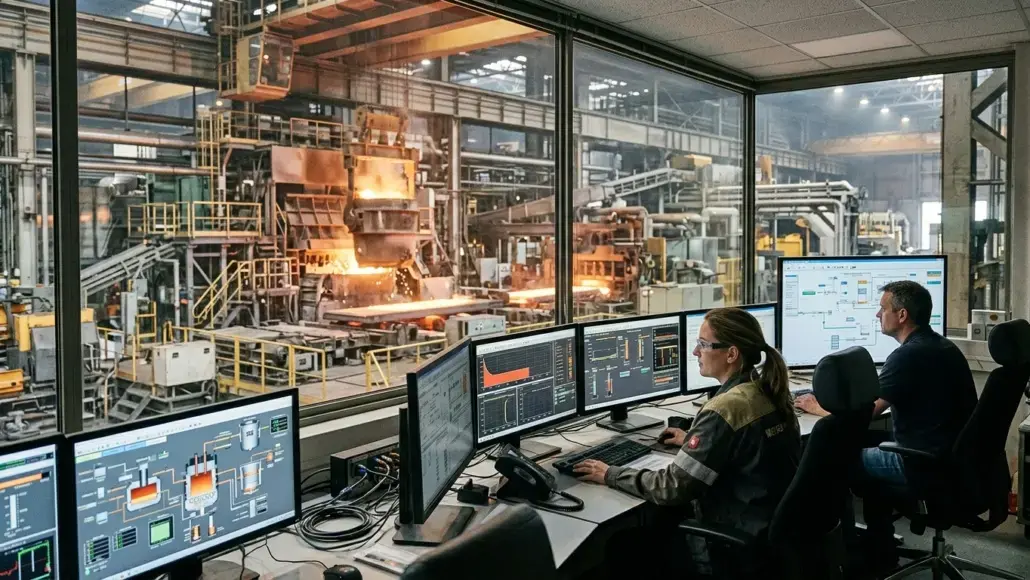

The metallurgical industry is currently undergoing a profound transformation driven by the rapid convergence of mechanical engineering and digital intelligence. The implementation of smart automation systems has moved from the realm of experimental innovation to become the backbone of modern metal processing facilities. For advanced metallurgical plants, the adoption of these technologies is not merely about replacing manual labor. It is about achieving a level of process control, safety, and efficiency that was once considered impossible. As mining operations seek to maximize the value of their ores, the ability to automate the downstream processing of those materials becomes a critical differentiator in a crowded global market.
The Evolution of Automated Metal Processing
Traditional metal processing has always been a demanding environment, characterized by extreme heat, heavy loads, and complex chemical reactions. The transition to automated metal processing has significantly mitigated these challenges by removing human operators from the most hazardous areas of the plant. Modern automation goes beyond simple repetitive tasks. It involves the use of sophisticated sensors and feedback loops that allow machinery to adapt to variations in raw material quality in real-time. Mining Frontier highlights that this dynamic response capability ensures that the final metal product remains consistent even when the input ore or scrap metal displays fluctuating characteristics.
Harnessing Industrial Robotics in Mining and Refining
One of the most visible components of this technological shift is the deployment of industrial robotics in mining and refining environments. These robots are now capable of performing high-precision tasks such as ladle handling, mold preparation, and ingot stacking with a speed and accuracy that far exceeds human capabilities. Furthermore, the use of robotic arms equipped with thermal imaging and laser scanning allows for the non-destructive testing of components during the production process. By identifying internal flaws or surface irregularities immediately, these systems prevent the further processing of defective parts, thereby saving significant energy and material costs.
The Power of Integrated Metallurgical Software
At the heart of any successful automation strategy is the deployment of specialized metallurgical software. These digital platforms act as the brain of the facility, coordinating the flow of materials and energy across multiple stages of production. By utilizing advanced algorithms and machine learning, this software can predict the outcome of a melt based on historical data and current environmental conditions. This predictive capability allows plant managers to optimize the addition of alloys and the application of heat, ensuring that every batch meets exact specifications. The integration of this software with enterprise resource planning systems also provides unprecedented visibility into the cost and carbon footprint of every kilogram of metal produced.
Developing Smart Foundry Solutions for the Future
The concept of the smart foundry is built upon the principle of total connectivity. In a truly digitalized metal production environment, every piece of equipment—from the primary crusher to the final finishing tool—is connected to a central data network. This Industrial Internet of Things (IIoT) framework enables the collection of massive amounts of data, which can be analyzed to identify bottlenecks and optimize maintenance schedules. Smart foundry solutions leverage this data to implement predictive maintenance, where sensors detect the early signs of mechanical wear or thermal fatigue, allowing for repairs to be conducted before a catastrophic failure occurs.
Achieving Seamless Digitalized Metal Production
The journey toward full digitalized metal production involves the creation of a digital twin for the entire metallurgical facility. This virtual model allows engineers to simulate different production scenarios and test the impact of new technologies without disrupting ongoing operations. By refining the process in the virtual world first, plants can achieve a seamless transition when physical upgrades are eventually implemented. This approach significantly reduces the risks associated with capital investment and ensures that new automation systems are perfectly tuned to the specific needs of the facility from day one.
Enhancing Safety Through Intelligent Automation
Safety remains the highest priority in any mining or metallurgical operation. Smart automation systems play a vital role in protecting workers by handling the most dangerous aspects of the job. For instance, automated sampling systems allow for the chemical analysis of molten metal without requiring a technician to stand near the furnace. Similarly, autonomous vehicles can transport heavy ladles of molten steel through the plant, guided by high-precision navigation systems that prevent collisions. By reducing the physical interaction between humans and hazardous materials, plants can achieve a dramatic reduction in workplace accidents and long-term health risks.
The Economic and Environmental Impact of Automation
The benefits of smart automation systems extend beyond operational efficiency; they also encompass significant economic and environmental advantages. By optimizing the use of energy and raw materials, automated plants can operate with much lower overheads, making them more resilient to fluctuations in commodity prices. From an environmental perspective, the precision afforded by automation allows for the significant reduction of waste and emissions. For example, automated combustion control in furnaces ensures that fuel is burned with maximum efficiency, minimizing the release of carbon dioxide and other pollutants.
Scaling Automation for Global Competitiveness
For metallurgical plants to remain competitive in a globalized economy, they must be able to scale their operations quickly in response to market demand. Automation provides this scalability by allowing facilities to increase their throughput without a proportional increase in labor costs. Furthermore, the consistency provided by automated systems ensures that products manufactured in different parts of the world meet the same rigorous quality standards. This global consistency is particularly important for industries such as aerospace and automotive manufacturing, where the reliability of metal components is a critical safety factor.
Bridging the Skills Gap in the Modern Workforce
As the industry adopts more advanced technologies, the role of the worker is evolving from manual laborer to system overseer and data analyst. This shift requires a new set of skills, blending traditional metallurgical knowledge with proficiency in software and electronics. Forward-thinking companies are investing in training programs to help their existing workforce adapt to the age of smart automation systems. By empowering workers to manage these sophisticated tools, plants can foster a culture of innovation and continuous improvement that drives the entire industry forward.
In conclusion, Mining Frontier sees the integration of smart automation systems as a fundamental leap forward for advanced metallurgical plants. By embracing industrial robotics in mining, sophisticated metallurgical software, and the principles of digitalized metal production, the industry is creating a safer, more efficient, and more sustainable future. These smart foundry solutions are not just about modernizing equipment. They are about reimagining the very nature of metal production to meet the challenges of the twenty-first century.