









In the diverse landscape of modern metallurgy, zinc occupies a unique and vital position. Known for its exceptional fluidity, low melting point, and remarkable strength-to-weight ratio, zinc has become the material of choice for many of the most demanding precision engineering applications. The process of advanced zinc alloy casting allows manufacturers to create intricate parts with a level of detail and dimensional stability that is difficult to achieve with other metals. As industries such as automotive, electronics, and mining equipment manufacturing continue to push the boundaries of mechanical design, the importance of zinc-based solutions only continues to grow. Mining Frontier notes that by leveraging the latest innovations in industrial zinc processing and metallurgical engineering, the industry is setting new standards for quality and efficiency in component production.
The Superiority of Zinc Die Casting in Modern Industry
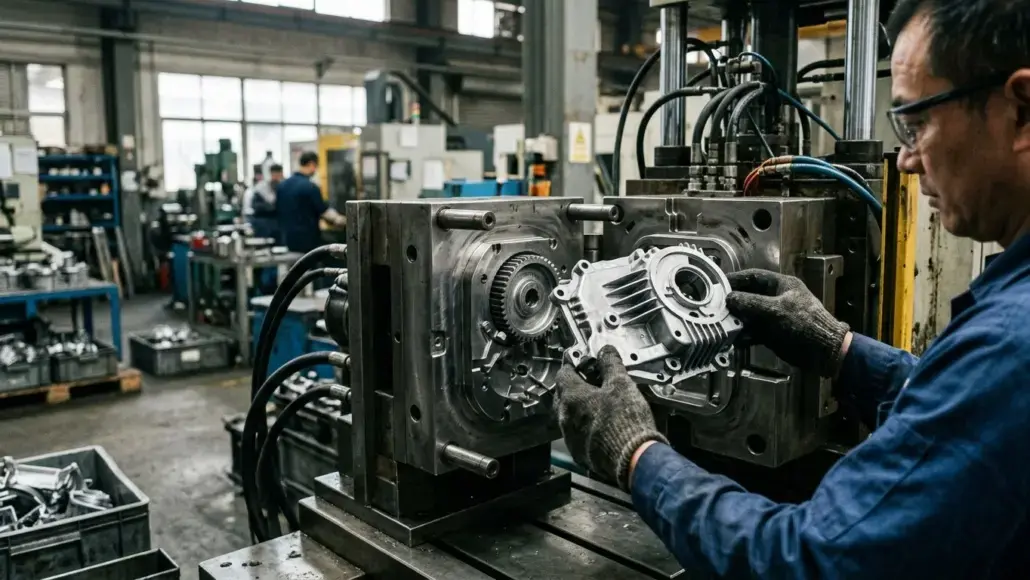
The most prominent method for shaping this versatile metal is zinc die casting. This process involves injecting molten zinc alloy into a steel die under high pressure, allowing the metal to fill complex cavities and thin-walled sections with extreme precision. One of the primary advantages of zinc over other casting materials, such as aluminum or magnesium, is its superior fluidity. This characteristic allows for the casting of parts with tighter tolerances and more intricate features, often eliminating the need for costly secondary machining. Furthermore, the low melting point of zinc means that the steel dies last significantly longer, reducing the overall tooling cost for high-volume zinc part manufacturing.
Exploring the Role of Precision Metal Alloys
The performance of any cast component is fundamentally determined by the quality of the alloy used. Advanced zinc alloy casting relies on a range of precision metal alloys, each tailored to specific functional requirements. The most common of these are the Zamak family of alloys, which combine zinc with small amounts of aluminum, magnesium, and copper to enhance strength, hardness, and corrosion resistance. More recently, the development of high-fluidity alloys like EZAC has allowed for the production of even thinner and more complex components without sacrificing mechanical integrity. By meticulously controlling the alloying process, metallurgical engineers can create materials that offer the perfect balance of durability, weight, and processability for any given application.
Innovations in Industrial Zinc Processing
Achieving excellence in casting requires a deep understanding of industrial zinc processing from the raw ingot to the final component. Modern facilities utilize automated melting and dosing systems that ensure the metal is maintained at a precise temperature and purity level throughout the production cycle. This consistency is vital for preventing defects such as porosity or cold shuts, which can compromise the strength of the part. Additionally, the integration of advanced filtration systems within the furnace helps to remove oxides and other impurities that can affect the surface finish and mechanical properties of the cast metal. These process improvements are essential for meeting the high quality standards demanded by the global engineering community.
The Art and Science of Metallurgical Engineering
Behind every successful casting operation is the expertise of metallurgical engineering. This discipline involves the study of how metal structures behave under different thermal and mechanical conditions. In the context of advanced zinc alloy casting, engineers use computer-aided design (CAD) and finite element analysis (FEA) to simulate the cooling and solidification of the metal within the die. This allows them to predict how the part will shrink and where internal stresses might develop, allowing for the optimization of the part design and the die layout before production begins. This scientific approach ensures that every zinc part produced is not only accurate in its dimensions but also structurally sound and capable of withstanding the rigors of its intended use.
Achieving High Consistency in Zinc Part Manufacturing
For large-scale industrial operations, the ability to maintain consistency across thousands of production cycles is a critical success factor. Modern zinc die casting machines are equipped with sophisticated real-time monitoring systems that track dozens of variables, including injection pressure, plunger speed, and die temperature. By analyzing this data, operators can identify subtle trends and make adjustments to the process before a part falls out of specification. This proactive approach to quality control is a hallmark of advanced zinc part manufacturing, ensuring that customers receive a reliable and uniform product every time. Furthermore, the use of robotic arms for part extraction and trimming adds another layer of consistency and safety to the production line.
Enhancing Surface Finish and Post-Processing
One of the most appreciated characteristics of zinc cast parts is their exceptional surface finish. The smooth, dense surface provided by high-quality zinc alloys is ideal for various finishing treatments, including plating, painting, and powder coating. Whether it is a decorative chrome finish for an automotive interior or a durable epoxy coating for a mining sensor housing, zinc provides an excellent substrate that ensures superior adhesion and long-term durability. This versatility in finishing allows engineers to tailor the aesthetic and protective properties of the component to the specific needs of the end-user, further expanding the applications for advanced zinc alloy casting in the global market.
Sustainability and Efficiency in the Zinc Industry
In an era of increasing environmental awareness, the sustainability of manufacturing processes has become a primary concern. Zinc is a highly sustainable material, as it is one hundred percent recyclable without any loss of its physical or chemical properties. In fact, a significant portion of the zinc used in advanced zinc alloy casting today comes from recycled sources. The energy required to remelt zinc is also relatively low compared to other metals, further reducing the environmental footprint of the industry. By adopting a circular economy approach, where scrap metal is carefully recaptured and reused, zinc part manufacturing can achieve high levels of efficiency and environmental responsibility.
The Role of Zinc in the Future of Green Technology
As the world moves toward more sustainable infrastructure and clean energy, zinc is playing an increasingly important role. From the galvanization of steel for renewable energy projects to its use in high-performance batteries and electronic components, the demand for precision zinc parts is on the rise. Advanced zinc alloy casting is providing the complex components needed for the next generation of electric vehicles and smart grid technologies. By providing lightweight, durable, and recyclable solutions, the zinc industry is proving itself to be a key partner in the global transition to a greener economy. The continued innovation in metallurgical engineering will ensure that zinc remains at the forefront of this technological revolution.
Overcoming Challenges in Precision Zinc Casting
While zinc offers many advantages, achieving the highest levels of precision is not without its challenges. The management of thermal expansion and the prevention of dross formation require constant vigilance and expert oversight. Furthermore, as parts become smaller and more complex, the demands on die design and injection technology become increasingly intense. However, the industry is meeting these challenges through the adoption of new materials, such as ceramic-lined crucibles and high-tech die coatings that reduce wear and improve metal flow. By investing in research and development and staying at the cutting edge of industrial zinc processing, manufacturers can continue to push the boundaries of what is possible with advanced zinc alloy casting.
In conclusion, the mastery of advanced zinc alloy casting is a cornerstone of modern precision engineering. Through the effective use of zinc die casting, the development of specialized precision metal alloys, and the application of rigorous metallurgical engineering, the industry is producing the high-performance components that power our world. These advancements in zinc part manufacturing ensure that we can meet the growing demand for complex, durable, and sustainable products across all industrial sectors. Mining Frontier notes that by continuing to innovate and refine our processes, the zinc industry will remain a vital driver of global progress for years to come.