








The global transition to a sustainable energy future is often discussed in terms of solar panels and electric vehicles, but the most critical component is frequently invisible: the electrical grid. To support the shift away from fossil fuels, our power networks must undergo a radical transformation. This modernization is driving an unprecedented surge in demand for copper, the “metal of electrification.” Known for its superior conductivity and reliability, copper is the backbone of the cables, transformers, and connectors that will define the 21st-century energy landscape. Without a massive expansion in copper supply and its integration into smart grids, the promise of a decarbonized world will remain unfulfilled.
The Essential Role of Copper in Electrification
Copper has been central to electrical engineering since the days of Edison, but the current era of electrification is of a different magnitude. Renewable energy systems, such as wind and solar, are significantly more copper-intensive than traditional fossil fuel power plants. For instance, an offshore wind farm requires several miles of thick copper cabling to transport electricity from the turbines to the shore. Similarly, the decentralized nature of solar power with panels on millions of rooftops requires a vastly more complex and copper-rich distribution network than a single centralized coal plant.
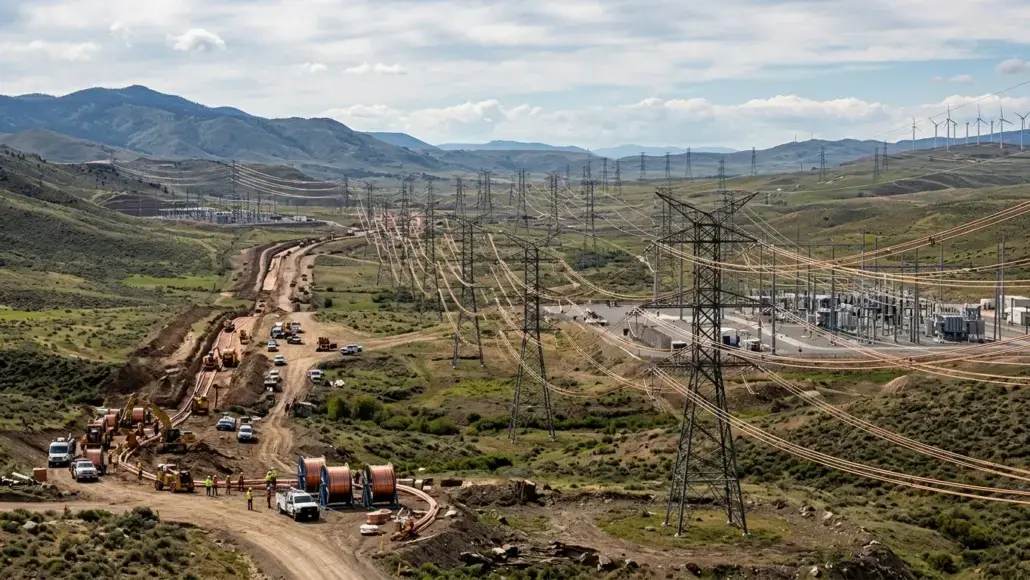
As we move toward “electrifying everything,” from home heating to industrial processes, the load on our existing grids is set to double or even triple. This isn’t just about adding more power; it’s about upgrading the capacity of the entire system. Older transmission lines must be replaced with higher-capacity copper wiring to reduce energy loss over long distances. In urban environments, the densification of electrical infrastructure to support EV charging hubs is creating a localized boom in copper demand. This fundamental reliance makes copper the most sensitive barometer for the health of the global energy transition.
Smart Grids and the Digitalization of Power
Modernizing the grid involves more than just thicker wires; it requires the implementation of smart technologies. A “smart grid” uses digital communication to monitor and manage the transport of electricity from all generation sources to meet the varying electricity demands of end-users. These systems rely on a vast array of sensors, automated switches, and control systems, all of which require copper-intensive components. The goal is to create a more resilient and flexible network that can handle the intermittency of renewable energy.
The demand for copper in this sector is driven by the need for efficiency. Smart grids can optimize energy flow, reducing the amount of power wasted during transmission. However, achieving this optimization requires a high density of physical infrastructure. Every smart meter, every automated substation, and every energy storage interface adds to the global copper tally. As countries from the United States to China roll out trillion-dollar infrastructure plans, the demand for high-purity copper is outstripping current production capacities, leading to a scramble for new mining projects and more efficient recycling methods.
The Global Supply Challenge and Mining Dynamics
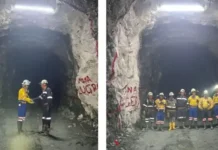
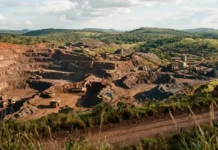
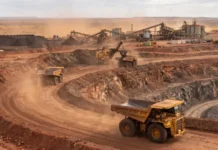
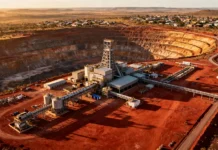
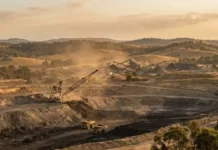
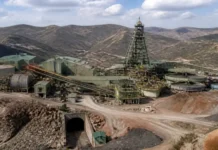
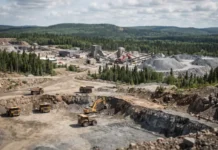
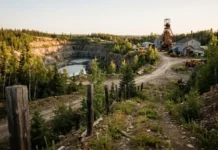
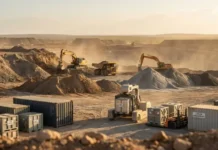
While demand for copper is accelerating, the supply side of the equation is facing significant headwinds. Many of the world’s largest copper mines, particularly those in Chile and Peru, are aging. As a mine matures, the “ore grade” the concentration of copper in the rock typically declines. This means that mining companies must process significantly more rock to produce the same amount of metal, increasing both costs and environmental impact. Furthermore, discovering new, high-grade copper deposits has become increasingly difficult and expensive.
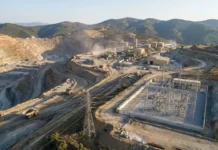
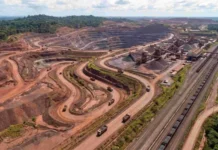
The geopolitical landscape of copper mining is also shifting. While South America remains the powerhouse of production, new frontiers are opening in the Democratic Republic of Congo and other parts of Africa. However, these regions often come with higher operational risks and infrastructural challenges. To meet the looming supply gap, the industry needs to invest billions of dollars in new mines and the expansion of existing ones. This requires a stable regulatory environment and higher long-term price expectations to justify the enormous capital expenditures involved.
Innovation in Copper Extraction and ESG
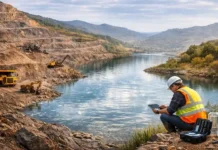
To maintain their social license to operate, copper miners are increasingly turning to technology to reduce their environmental footprint. Modern copper mining is a water and energy-intensive process. Companies are now implementing water-saving technologies, such as desalinated water pipelines and closed-loop systems, to minimize their impact on local ecosystems. On the energy front, many mines are being powered by onsite renewable energy projects, effectively using the very metals they produce to decarbonize their own operations.
Advancements in leaching and smelting technologies are also allowing companies to process lower-grade ores more efficiently. For example, new chemical processes can extract copper from waste rock that was previously considered uneconomical. These innovations are essential for extending the life of existing mines and maximizing the recovery of resources. By aligning production with rigorous ESG standards, the copper industry is positioning itself as a responsible partner in the global green movement, rather than just a traditional extractive industry.
Infrastructure Investment and Economic Growth
The push for grid modernization is a powerful engine for economic growth. Infrastructure projects create thousands of jobs and stimulate demand across multiple sectors, from manufacturing to logistics. Governments recognize that a modern grid is a competitive advantage. Reliable, low-cost electricity is essential for attracting high-tech industries, such as data centers and advanced manufacturing, which are increasingly sensitive to power quality and sustainability credentials.
This economic impetus is reflected in national policy. The European Green Deal and the U.S. Infrastructure Investment and Jobs Act both earmark significant funds for grid upgrades. These policies provide the long-term demand signals that the copper market needs. When miners and refiners see multi-year commitments to infrastructure spending, they are more likely to invest in the long-term projects required to expand supply. This synergy between policy, infrastructure, and mineral demand is the defining characteristic of the current economic cycle.
The Role of Copper in the Circular Economy
As we build out this new infrastructure, we must also consider the eventual end-of-life of these systems. Copper is 100% recyclable without any loss of performance. It is one of the few materials where the recycling process is both technically feasible and economically highly attractive. Currently, around 30% of global copper demand is met through recycled material, but this needs to increase significantly to bridge the supply gap.
Developing a more robust “urban mining” infrastructure is key. This involves more efficient collection of decommissioned power lines, industrial equipment, and electronic waste. As old grids are modernized, the copper they contain should be captured and fed back into the production cycle for new components. By creating a circular copper economy, we can reduce the environmental pressure of primary mining and create a more resilient supply chain that is less dependent on fluctuating geological discoveries.
Conclusion
The rising demand for copper is a direct reflection of our global commitment to modernizing our electrical infrastructure. As we build the smart grids and renewable systems of tomorrow, copper will remain the indispensable link that connects energy production with consumption. While the challenges of expanding supply and maintaining sustainable practices are significant, they also present an opportunity for innovation and economic revitalization. By focusing on efficient extraction, smart infrastructure investment, and the principles of the circular economy, we can ensure that the “metal of electrification” continues to power our progress toward a cleaner, more connected world.