









The narrative of the 21st-century energy landscape is being written in lithium. Often referred to as “white gold,” lithium has become the most sought-after commodity in the push for global decarbonization. As the primary component of high-density energy storage, lithium is the silent engine behind the electric vehicle (EV) revolution and the expansion of grid-scale battery systems. However, the sheer scale of demand has exposed the vulnerabilities and complexities of global lithium supply chains. To meet the projected needs of the next decade, the industry is undergoing a massive transformation, moving from a niche market to a critical pillar of global industrial infrastructure.
The Global Scramble for Lithium Resources
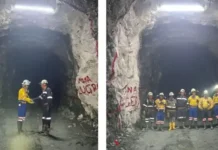
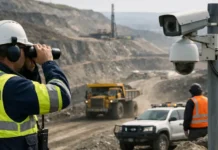
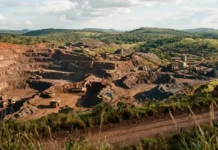
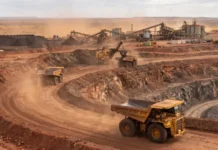
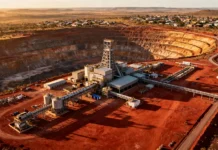
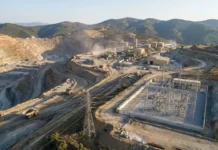
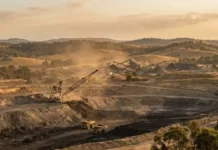
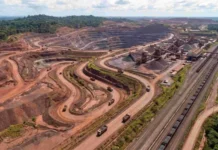
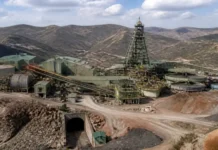
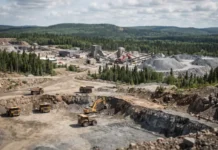
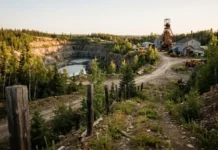
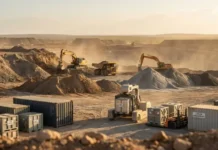
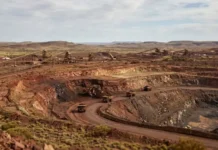
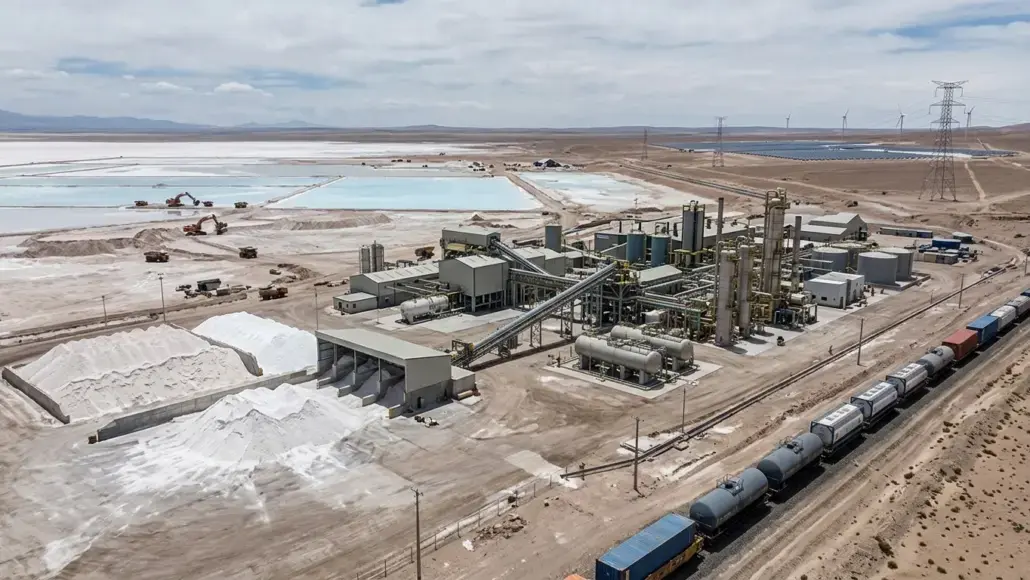
The geography of lithium is both concentrated and expanding. Historically, the “Lithium Triangle” of South America comprising Chile, Argentina, and Bolivia and the hard-rock mines of Australia have dominated global production. These regions possess the most cost-effective resources, extracted either through massive solar evaporation ponds or traditional open-pit mining. However, as demand skyrockets, the search for lithium has gone global. New projects are being fast-tracked in North America, Europe, and Africa.
The challenge lies not just in finding the mineral, but in the time and capital required to bring a mine online. It typically takes seven to ten years from discovery to production. This lag has created a supply-demand mismatch that has led to significant price volatility. To counter this, governments and private corporations are looking for ways to streamline permitting processes and incentivize exploration in “Tier 1” jurisdictions. The goal is to create a more geographically diverse supply chain that is less susceptible to regional disruptions or geopolitical maneuvering.
Processing and Refining: The Critical Bottleneck
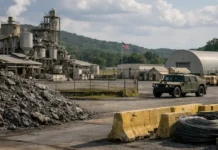
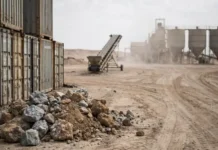
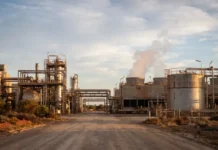
While mining gets most of the headlines, the true bottleneck in the lithium supply chain is often the refining and chemical processing stage. Raw lithium, whether from brine or spodumene, must be converted into high-purity lithium carbonate or lithium hydroxide to be used in battery cathodes. Currently, a vast majority of this processing capability is concentrated in a single region. This centralization creates a significant risk for global manufacturers who rely on just-in-time delivery for their battery cells.
In response, we are seeing a trend toward “onshoring” or “near-shoring” chemical processing. By building refineries closer to the end-markets in Europe and North America, companies can reduce transportation costs, lower their carbon footprint, and ensure a more secure supply. This vertical integration is becoming a competitive advantage. Companies that can control the process from the mine gate to the battery factory are better positioned to manage costs and quality, which is essential for the high-performance requirements of modern EVs.
The Impact of Electric Vehicle Proliferation
The primary driver of lithium demand is the uncompromising growth of the electric vehicle market. Automotive OEMs have committed hundreds of billions of dollars to transition their entire fleets to electric power. This shift is not just a trend but a fundamental change in how the world moves. Every major car manufacturer is now locked in a race to secure battery metals. The size of the batteries is also increasing, as consumers demand longer ranges, which in turn increases the lithium intensity per vehicle.
This demand is reshaping the relationship between the automotive and mining industries. We are moving away from a traditional supplier-customer model toward deep strategic partnerships. Car companies are now acting like mining investors, providing the capital needed for mine expansions in exchange for guaranteed supply. This direct involvement is stabilizing the market and providing the long-term certainty that mining companies need to pull the trigger on multi-billion dollar projects.
Grid Storage and Renewable Integration
Beyond the driveway, lithium supply chains are supporting the stabilization of our electrical grids. As wind and solar power provide a larger share of our electricity, the need for large-scale energy storage becomes paramount. Lithium-ion batteries are currently the technology of choice for short-to-medium duration storage. These massive battery “farms” can soak up excess solar energy during the day and release it during the evening peak, solving the intermittency problem of renewables.
The growth of this sector is competing for the same lithium resources as the EV industry. This competition is driving innovation in battery chemistries that might prioritize cost and longevity over energy density. For example, stationary storage systems are increasingly using lithium iron phosphate (LFP) technology, which is more stable and has a longer cycle life. This diversification of battery types helps to spread the mineral demand, but the underlying need for a robust lithium supply chain remains the common denominator for all successful energy storage strategies.
Sustainable Extraction and ESG Standards
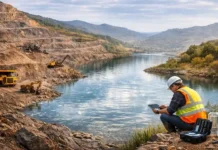
The environmental cost of the energy transition is a topic of intense debate. Traditional lithium extraction, particularly from brine ponds in arid regions, uses significant amounts of water. In hard-rock mining, the energy intensity of crushing and processing ore can lead to a high carbon footprint. As the industry scales, it is coming under increased pressure from regulators and consumers to minimize its impact.
The response has been a surge in “green lithium” initiatives. Direct Lithium Extraction (DLE) is one of the most promising technologies in this space. By using selective membranes or sorbents to pull lithium directly from brine, DLE can significantly reduce water consumption and eliminate the need for massive evaporation ponds. Other companies are looking at geothermal brines, which can produce lithium while simultaneously generating zero-carbon electricity. Adhering to strict ESG standards is no longer optional; it is a requirement for securing the low-cost capital and social acceptance needed for large-scale expansion.
The Emerging Role of Battery Recycling
As the lithium market matures, the focus is shifting toward the end of the product lifecycle. A truly resilient supply chain must be circular. Battery recycling is moving from a pilot-scale activity to a major industrial sector. By recovering lithium from spent batteries, we can create a “closed-loop” system that reduces the reliance on primary mining.
The economics of recycling are becoming more attractive as the volume of end-of-life EV batteries grows. New hydrometallurgical processes are allowing for the recovery of lithium at high purity levels, suitable for reuse in new batteries. Governments are also playing a role by mandating minimum recycled content in new products. This creates a predictable market for recycled materials and encourages investment in the necessary infrastructure. In the long run, the lithium “mines” of the future may well be the recycling centers located in major metropolitan areas.
Conclusion
The expansion of lithium supply chains is a Herculean task that sits at the center of the global energy transition. It requires a unique combination of geological discovery, chemical engineering, and massive financial commitment. While the challenges are daunting, the progress made over the last decade has been remarkable. By diversifying sourcing, decentralizing processing, and embracing circular economy principles, the global battery market is building the foundation for a sustainable future. Lithium will remain the cornerstone of this transition, and its supply chain will be the barometer by which we measure our success in building a cleaner world.