



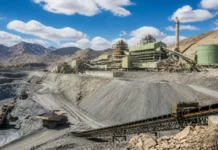
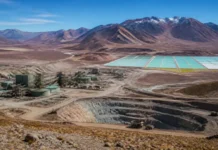
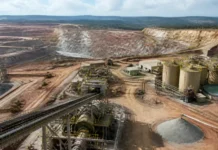
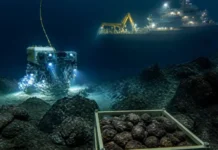



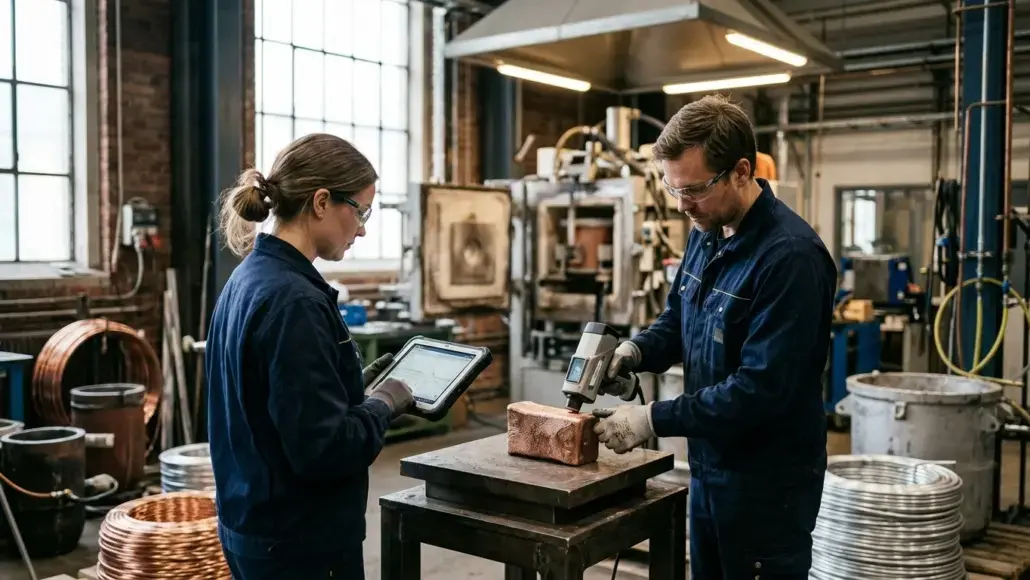

The nonferrous metal sector, encompassing essential materials such as aluminum, copper, zinc, lead, and precious metals, is a cornerstone of the global economy. As industries transition toward green energy, advanced electronics, and sustainable infrastructure, the demand for high-purity nonferrous metals has reached unprecedented levels. To meet this demand, the industry is undergoing a period of rapid technological advancement, characterized by significant nonferrous metallurgy innovations. These breakthroughs are not only improving the efficiency of extraction and refining but are also addressing the environmental and social challenges associated with traditional smelting and processing. Mining Frontier highlights that by embracing industrial metal innovation, the sector is ensuring a steady supply of the materials that will power the twenty-first century.
Transforming Nonferrous Metal Processing for Efficiency
The primary goal of modern nonferrous metal processing is to maximize the recovery of valuable minerals from increasingly complex and lower-grade ores. Traditional methods of crushing and flotation are being augmented by advanced sensors and automated sorting systems that can identify and separate ore from waste rock with extreme precision. This reduces the amount of material that needs to be processed in energy-intensive mills, leading to significant savings in water and electricity. Furthermore, the development of high-pressure acid leaching (HPAL) and bio-leaching techniques is allowing for the extraction of metals like nickel and copper from deposits that were previously considered uneconomical. These nonferrous metallurgy innovations are essential for maintaining a resilient supply chain in the face of depleting high-grade mineral reserves.
Evolution in Lead and Zinc Smelting Technology
The smelting of lead and zinc has historically been one of the most environmentally challenging aspects of the metallurgical industry. However, recent years have seen a major shift toward cleaner and more efficient smelting processes. Modern lead and zinc smelting facilities are now utilizing oxygen-enriched combustion and flash smelting technology, which significantly increases the reaction rate and reduces the volume of off-gas produced. This not only improves the throughput of the plant but also makes it easier to capture and neutralize sulfur dioxide and other pollutants. Additionally, the integration of hydrometallurgical processes into zinc production has allowed for the recovery of valuable by-products such as indium and germanium, which are critical for the semiconductor and renewable energy industries.
The Rise of Precious Metal Metallurgy and Recovery
As the value of gold, silver, and platinum group metals (PGMs) continues to rise, the field of precious metal metallurgy has become a hotbed of innovation. One of the most significant trends is the shift away from traditional cyanide-based leaching toward more environmentally friendly lixiviants, such as thiosulfate or glycine. These new chemical processes offer a lower toxicity profile while maintaining high recovery rates, making it easier for mining companies to secure the social license to operate. Furthermore, the development of advanced solvent extraction and electrowinning (SX/EW) techniques has allowed for the production of ultra-high-purity precious metals on-site, reducing the logistical costs and security risks associated with transporting concentrated ores to distant refineries.
Adapting to Global Metal Market Trends
The success of any metallurgical operation is intrinsically linked to its ability to respond to shifting metal market trends. Today, the market is increasingly defined by the transition to electric vehicles (EVs) and the growth of the renewable energy sector. This has created a surge in demand for battery metals like copper, nickel, and cobalt, prompting nonferrous producers to reorient their production strategies. Nonferrous metallurgy innovations are enabling companies to produce the specific grades of metal required for high-performance batteries, such as battery-grade nickel sulfate. By staying ahead of these market shifts, producers can secure long-term contracts with major automotive and technology firms, ensuring the stability of their operations in a volatile global economy.
Promoting Industrial Metal Innovation Through Digitalization
The digitalization of the metallurgical plant is perhaps the most powerful driver of industrial metal innovation today. The use of smart sensors and data analytics allows for the real-time monitoring of every stage of the refining process, from the concentration of the slurry to the purity of the final ingot. By analyzing this data, metallurgists can identify subtle inefficiencies and optimize the addition of reagents and energy, leading to higher yields and lower costs. Furthermore, the application of artificial intelligence (AI) to mineral processing is allowing for the creation of autonomous systems that can adjust their parameters on the fly to compensate for changes in ore quality. This level of digital control is essential for producing the consistent, high-quality nonferrous metals that global markets demand.
Enhancing Sustainability in Nonferrous Production
Sustainability is no longer an optional extra in the metal industry. It is a core business requirement. Nonferrous metallurgy innovations are playing a vital role in reducing the environmental impact of metal production. One of the most exciting developments is the move toward green smelting, which utilizes renewable energy sources and hydrogen as a reducing agent instead of carbon-intensive coke. While still in the early stages of commercialization, these technologies offer the potential for carbon-neutral metal production in the future. Additionally, the industry is making great strides in the management of tailings and slag, with new processes being developed to turn these waste products into useful construction materials or to recover residual metals that were missed in the initial processing.
The Role of Circular Economy in Metallurgy
The concept of the circular economy is becoming increasingly important in the nonferrous sector. Unlike primary extraction, the recycling of nonferrous metals like aluminum and copper requires a fraction of the energy and produces far fewer emissions. Nonferrous metallurgy innovations are improving our ability to sort and refine scrap metal, allowing for the high-quality recycling of complex electronic waste and automotive components. By integrating recycled material into the production stream, nonferrous producers can reduce their reliance on virgin ore and improve their overall sustainability profile. This shift toward secondary metallurgy is a key component of the global effort to decarbonize the industrial sector and protect natural resources.
Investing in Research and Development for Future Growth
The continued growth of the nonferrous industry depends on a sustained commitment to research and development. Governments and private companies are investing billions of dollars in new metallurgical laboratories and pilot plants to test the next generation of industrial metal innovation. These efforts are focused on everything from the development of more efficient electrolysis cells to the creation of new alloys with superior properties. By fostering a culture of curiosity and experimentation, the industry is ensuring that it remains at the forefront of technological progress. This investment in the future is essential for overcoming the technical challenges of the energy transition and providing the materials that will build the cities and machines of tomorrow.
Strengthening Global Partnerships in the Metal Sector
In an increasingly interconnected world, no company or country can succeed in the nonferrous market alone. Nonferrous metallurgy innovations are often the result of international collaborations between mining companies, equipment manufacturers, and academic institutions. These partnerships allow for the sharing of knowledge, risks, and rewards, accelerating the pace of technological adoption. For producers in emerging markets, access to global expertise and technology is a vital factor in improving their productivity and environmental standards. By working together, the global metallurgical community can ensure that nonferrous metal production remains a sustainable and prosperous industry that benefits everyone.
In conclusion, the field of nonferrous metallurgy is currently experiencing a renaissance of innovation. Through the continuous improvement of nonferrous metal processing, the evolution of lead and zinc smelting, and the rise of advanced precious metal metallurgy, the industry is meeting the challenges of a changing world. These industrial metal innovations, guided by global metal market trends and a commitment to sustainability, are ensuring that we can continue to access the materials that are essential for modern life. Mining Frontier notes that by embracing the digital and green revolutions, the nonferrous sector is setting a course for a bright and productive future.