



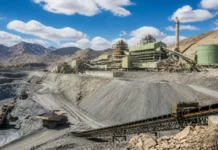
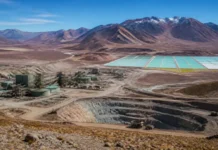
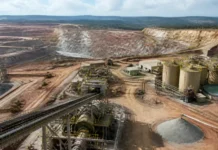






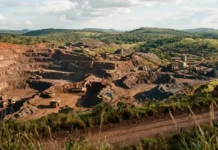
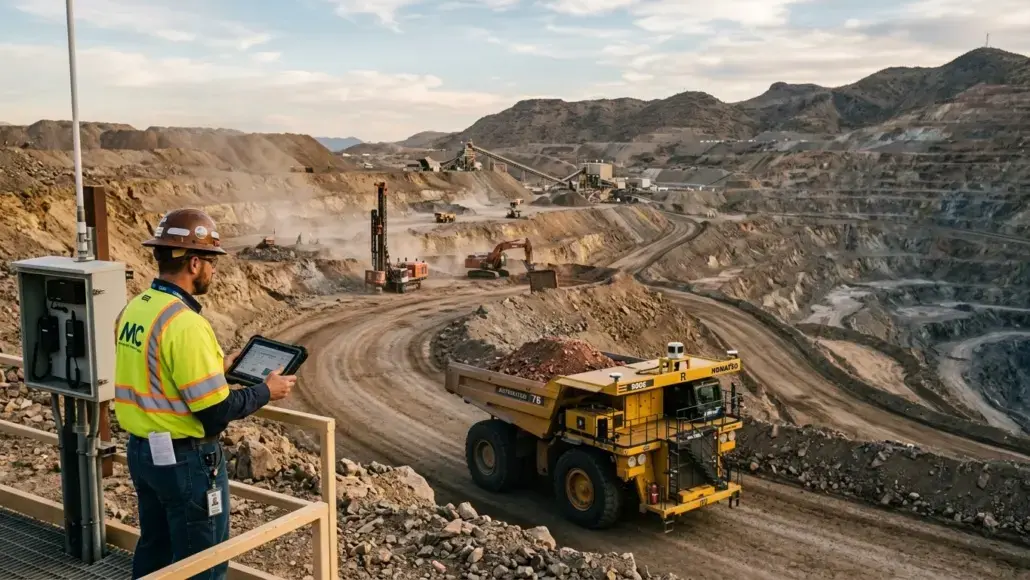

The image of a copper miner with a pickaxe and a hard hat is rapidly fading into history, replaced by a professional sitting in a climate-controlled command center hundreds of miles from the actual mine site. As the mining industry embraces artificial intelligence, robotics, and remote operation technologies, the human element is not being eliminated but is instead being profoundly redefined. The demand for modern workforce skills for automated copper mining is creating a shift in the labor market, where digital literacy is becoming as important as geological knowledge. Mining Frontier notes that this transition is essential for improving safety, increasing efficiency, and accessing deeper or lower-grade ore bodies that were previously uneconomical to mine. However, it also requires a massive effort in reskilling and a fundamental change in how the industry attracts and trains its future leaders.
The Digital Transformation of Mining Operations
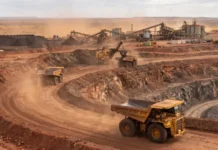
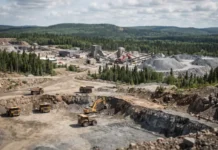
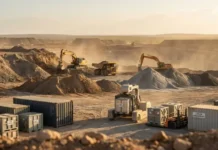
Automation in copper mining is no longer a futuristic concept. It is the current standard for the world’s leading mining companies. Autonomous haul trucks, robotic drills, and automated ventilation systems are now common sights in large-scale operations. These systems generate staggering amounts of data, which must be interpreted and acted upon in real-time. This is where the need for modern workforce skills for automated copper mining becomes critical. Operators are no longer just driving machines. They are managing complex software systems that optimize the movement of every ton of rock. They must understand the logic behind the algorithms and be able to intervene when the automated system encounters a situation it cannot handle. This “human-in-the-loop” model requires a blend of traditional mining expertise and modern data analysis skills.
Remote Operations and the Rise of the “Digital Miner”
One of the most significant changes is the physical decoupling of the worker from the mine. Remote Operating Centers (ROCs) allow specialists to monitor and control mining activities across multiple sites from a centralized urban location. This shift has massive implications for the workforce. It improves safety by removing people from high-risk environments and makes the industry more attractive to a broader range of talent who may not want to live in remote mining towns. However, working in an ROC requires a specific set of modern workforce skills for automated copper mining, including the ability to interpret 3D visualizations, manage multiple data streams simultaneously, and communicate effectively with ground teams via digital platforms. The ability to maintain situational awareness through a screen rather than through direct physical sensation is a skill that must be specifically developed and refined.
Essential Skills for the Autonomous Era
To thrive in this new environment, the mining workforce must master a diverse array of technical and soft skills. At the core is data literacy—the ability to understand, analyze, and communicate data in context. Miners today need to be comfortable with predictive analytics tools that forecast equipment failure or optimize ore recovery. Additionally, there is a growing need for skills in mechatronics and robotics. Technicians are required who can maintain and repair complex sensors, GPS systems, and hydraulic actuators that power autonomous machinery. These modern workforce skills for automated copper mining are being integrated into traditional trade apprenticeships, creating a new class of “electro-mechanics” who are as comfortable with a laptop as they are with a wrench.
The Critical Role of Cybersecurity and System Integrity
As mines become increasingly connected, they also become targets for cyberattacks. A disruption to an automated haulage system or a remote control link could have catastrophic safety and financial consequences. Therefore, cybersecurity has become a core component of the modern workforce skills for automated copper mining. Every employee, from the site manager to the maintenance technician, must understand the basics of digital security and the protocols for protecting the integrity of mining systems. This includes recognizing phishing attempts, securing industrial control systems, and understanding the risks associated with the Internet of Things (IoT). The “digital miner” of the future is also a guardian of the digital infrastructure that makes the mine possible.
Soft Skills in a High-Tech Environment
While technical prowess is essential, the “human” skills of collaboration, critical thinking, and adaptability are more important than ever. In an automated mine, problems are often complex and multi-disciplinary, requiring teams of geologists, data scientists, and engineers to work together seamlessly. The ability to think critically about system outputs—knowing when to trust the AI and when to question it—is a vital part of the modern workforce skills for automated copper mining. Furthermore, as technology continues to evolve at an exponential rate, the ability to learn and unlearn quickly is the ultimate competitive advantage. A “growth mindset” is no longer just a corporate buzzword. It is a survival requirement for a career in modern mining.
Reskilling the Existing Workforce
The transition to automation presents a significant challenge for the existing workforce. There is a legitimate fear that automation will lead to job losses, particularly in entry-level or repetitive roles. To mitigate this, forward-thinking mining companies are investing heavily in reskilling programs. These initiatives aim to take experienced miners and provide them with the modern workforce skills for automated copper mining needed to transition into roles like autonomous fleet controllers or remote system monitors. This approach not only preserves jobs but also retains the invaluable “tribal knowledge” that experienced miners possess, knowledge that is often difficult to encode into an algorithm. Successful reskilling requires a partnership between industry, government, and educational institutions to create clear pathways for career progression.
Attracting New Talent and Rebranding the Industry
To meet the demand for these new skills, the copper mining industry must change its image. It is no longer a “low-tech” extractive industry but a leader in the application of AI and robotics. By highlighting the high-tech nature of the work and the opportunity to contribute to the global green energy transition, the industry can attract a more diverse pool of talent, including data scientists, software developers, and ESG specialists. Universities and technical colleges are also playing a key role by updating their curricula to reflect the modern workforce skills for automated copper mining. Degrees in mining engineering are increasingly incorporating modules on machine learning, remote sensing, and environmental management, ensuring that graduates are “job-ready” for the autonomous mine of the future.
Conclusion: Empowering the Human Component of Automation
The evolution of copper mining through automation is an inevitable and necessary step toward a safer, more efficient, and more sustainable industry. However, the success of this transformation ultimately depends on the people who design, operate, and maintain these systems. Developing and fostering the modern workforce skills for automated copper mining is the most important investment the industry can make. By empowering workers with the tools of the digital age while valuing their traditional expertise, the mining sector can create a future where humans and machines work in harmony to provide the essential materials our modern world requires. Mining Frontier believes that the “mine of the future” is not a place without people. It is a place where people are more capable, more safe, and more essential than ever before.