























In the relentlessly fast-paced world of consumer electronics and industrial computing, the hardware is only as good as the materials from which it is constructed. As devices become smaller, more powerful, and increasingly interconnected, the demands placed on internal components have reached a critical threshold. Mining Frontier notes that at the center of this challenge is the management of heat and the preservation of signal integrity. The development and application of high performance copper alloys for modern electronics have become the silent enablers of this technological progression. While pure copper is celebrated for its exceptional conductivity, it often lacks the mechanical strength and thermal stability required for the intricate structures of modern semiconductors and connectors. By meticulously blending copper with other elements, metallurgists have created a family of materials that can withstand the rigors of high-frequency operation while maintaining the efficiency that is the hallmark of the copper family.
The Engineering Behind Advanced Conductivity
The quest for the perfect conductor in an electronic context is a balancing act between physical properties. Pure copper is soft and can deform under the stresses of automated assembly or the thermal expansion cycles of a high-power processor. High performance copper alloys for modern electronics solve this by introducing alloying elements like beryllium, nickel, silicon, or chromium in precise quantities. These additions create a more robust crystalline structure, enhancing the material’s yield strength without significantly compromising its ability to move electrons. This is particularly vital in the production of lead frames—the thin metal structures that support and connect the silicon chips within an integrated circuit package. These frames must be incredibly thin yet rigid enough to stay flat during the high-speed wire bonding process, making the choice of alloy a make-or-break decision for manufacturing yield.
Thermal Management in the Age of Miniaturization
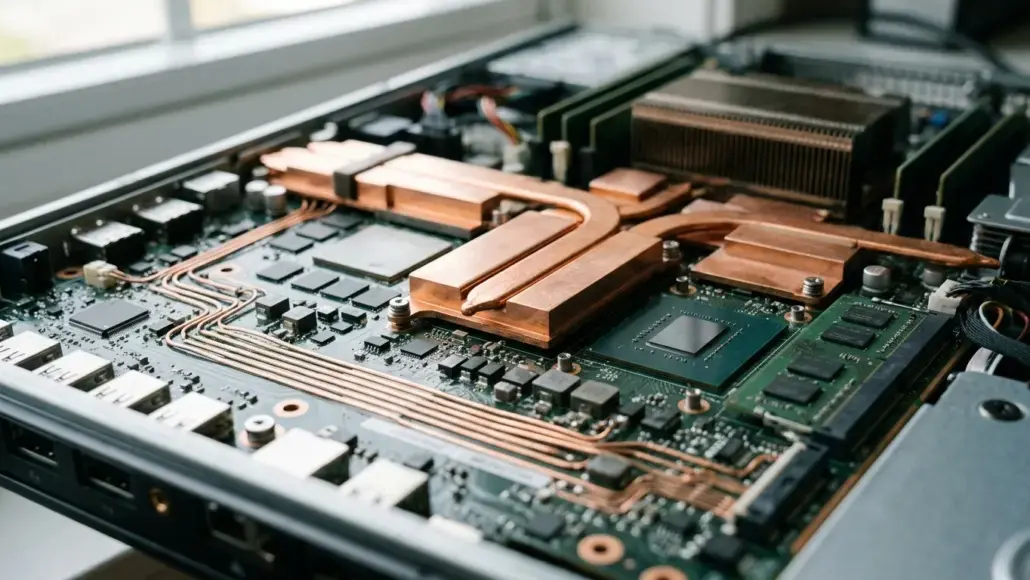
As the density of transistors on a chip increases, so does the heat generated per square millimeter. Excessive heat is the primary enemy of electronic longevity and performance, leading to a phenomenon known as thermal throttling, where a device slows down to prevent self-destruction. Copper is the material of choice for heat sinks and spreaders because of its superior thermal conductivity. However, in modern smartphones and high-performance laptops, space is at a premium. Engineers are now utilizing specialized copper-molybdenum or copper-tungsten alloys that offer tailored coefficients of thermal expansion. These materials can be matched to the expansion rates of the silicon itself, preventing the mechanical fatigue and cracking that can occur over thousands of heating and cooling cycles. The use of high performance copper alloys for modern electronics in thermal management ensures that devices can run at peak speeds for longer durations without overheating.
Connectors and Interconnects: The High-Frequency Challenge
In the era of 5G and high-speed data centers, the way signals travel through physical connectors is a major design consideration. Connectors must maintain a low contact resistance and resist corrosion over years of service. Traditional brass or bronze often lacks the necessary spring properties or conductivity for high-end applications. High performance copper alloys for modern electronics, such as copper-nickel-silicon (C70250) or copper-chromium-zirconium, provide the ideal combination of high strength and high conductivity. These alloys allow for the design of smaller, more densely packed connectors that can handle higher currents with minimal signal distortion. The “springiness” or elastic modulus of these alloys is also critical, ensuring that a plug maintains a firm, reliable connection even after being inserted and removed thousands of times.
Beryllium-Copper and the Frontier of Strength
Among the various options available, copper-beryllium (CuBe) stands out as one of the most remarkable materials in the electronic designer’s toolkit. Often referred to as the ultimate copper alloy, it can be heat-treated to reach strengths comparable to high-grade steel while retaining about 20% to 60% of pure copper’s conductivity. This makes it indispensable for miniaturized switches, relays, and battery contacts in aerospace and medical electronics. The ability of CuBe to resist fatigue and maintain its properties at elevated temperatures makes it the go-to choice for mission-critical components where failure is not an option. Despite its higher cost and the specialized handling required during manufacturing, its performance characteristics ensure it remains a staple in the world of high performance copper alloys for modern electronics.
Sustainable Sourcing and the Circular Economy of Alloys
As the electronics industry faces increasing pressure to improve its environmental footprint, the recyclability of copper alloys has become a significant advantage. Unlike many synthetic materials or complex composites used in electronics, copper-based alloys are highly recyclable. However, the presence of various alloying elements does present a challenge for the recycling stream. Advanced sorting technologies are now being deployed to identify and separate different copper alloy families, allowing for “closed-loop” recycling where high-value alloys are reclaimed and returned to the production cycle without downgrading their properties. This focus on sustainability is driving a new trend in alloy design, where metallurgists are looking for green alternatives to certain alloying elements that are easier to recover or have a lower environmental impact during the mining phase.
The Role of Nano-Structure Engineering
The future of high performance copper alloys for modern electronics lies in the realm of nano-engineering. Researchers are exploring ways to manipulate the grain structure of copper at the molecular level to create ultra-high-strength conductors. By using techniques like severe plastic deformation or cryo-rolling, it is possible to create copper with a grain size measured in nanometers. These materials exhibit extraordinary strength while maintaining nearly the full conductivity of pure copper. While still largely in the experimental and high-end niche stages, these developments promise to revolutionize the next generation of power electronics and high-frequency communication devices, paving the way for even smaller and more efficient hardware.
Market Trends and Global Demand
The global market for advanced copper alloys is being driven by several converging trends. The expansion of the Internet of Things (IoT) means that billions of small, connected devices will require reliable, low-power components. Simultaneously, the rise of electric vehicles and renewable energy systems is creating a demand for high-current connectors and power modules that can handle extreme thermal loads. This has led to a surge in investment in alloy research and production facilities, particularly in regions with strong semiconductor and automotive manufacturing bases. The strategic importance of these materials is such that they are increasingly viewed as critical commodities for national technological sovereignty.
Conclusion: The Backbone of Digital Innovation
Copper has often been called the “red gold” of the industrial world, and its importance has only grown in the digital age. The sophisticated engineering of high performance copper alloys for modern electronics ensures that our devices can keep up with the demands of an increasingly connected society. By overcoming the physical limitations of pure copper through intelligent alloying and precise manufacturing, the industry has created a foundation for innovation that touches everything from the smartphone in our pockets to the satellites orbiting the Earth. As humans look toward a future of even faster data speeds and more powerful computing, Mining Frontier believes the continued evolution of copper metallurgy will remain a vital, if often overlooked, pillar of the technological landscape. Without these high-performance materials, the digital revolution would simply overheat and grind to a halt.