











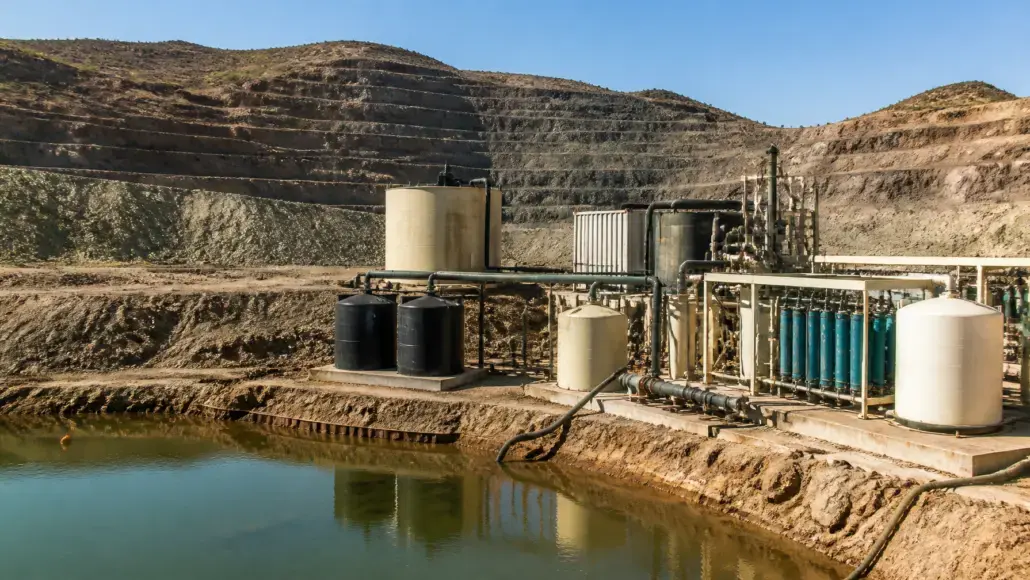

MIT spinout SiTration and BHP have begun trialling copper recovery technology at BHP’s Copper Cities site in Arizona, using legacy mining water as feedstock. The two companies have announced two pilot deployments aimed at validating copper recovery from legacy mine water under real operating conditions.
Copper Recovery from Legacy Mine Water Enters Pilot Stage
Starting in August 2026, SiTration and BHP are running an initial small-scale pilot plant at the historic Copper Cities site in Arizona’s Globe-Miami mining district. The first deployment will validate continuous and autonomous copper production from legacy mining water over a one-month period.
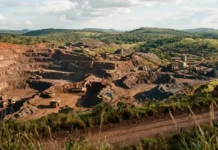
The Copper Cities site produced almost 400 000 tonnes of copper between the 1950s and 1980s. SiTration and BHP now see an opportunity to recover value from legacy mining assets like this one, with the potential to create new pathways for domestic US copper supply.
Prior to the pilot, SiTration conducted bench-scale testing using real feedstock from the Copper Cities site. Those tests demonstrated London Metal Exchange Grade A copper production without using any chemicals or generating new waste products. Preliminary energy consumption was reported below 4 kWh/kg to recover copper from the diluted legacy mine water.
BHP and SiTration Test Recovery Technology
The pilot deployments are designed to evaluate SiTration’s mining technology under real operating conditions. BHP legacy assets general manager Kevin Ramsay said the Copper Cities pilot provides an opportunity to assess an innovative approach to copper recovery from mining-impacted water while generating valuable technical and operational insights.
“We are excited to work with SiTration to test this technology under real operating conditions and better understand its potential to recover value from legacy mining water sources,” Ramsay said.
SiTration CEO and co-founder Brendan Smith said the American Southwest region houses billions of dollars’ worth of copper in legacy mining water. “With global copper demand projected to grow by 70% by 2050, tapping into these resources is an excellent pathway to bolster domestic supply chains while producing copper at the bottom of the global cost curve,” Smith added.
Larger Pilot Targets Copper Cathode Production
Following the initial one-month trial, a larger deployment is planned for later in 2026. That larger pilot is targeting production of up to two tonnes of commercial-scale copper cathodes over a two-month period.
The planned progression from small-scale validation to a larger trial reflects the companies’ interest in understanding how the copper recovery from legacy mine water approach performs at increasing scale. Should the pilots deliver positive results, the technology could offer a potential new route to recovering copper from legacy mining assets across the region.
Both deployments remain at the pilot and testing stage. The results will inform whether the technology can move toward broader application for copper recovery from legacy mine water sources.