








The global mining industry is currently undergoing a radical metamorphosis, leaving behind the era of manual, labor-intensive processes and embracing a future defined by intelligent, interconnected machines. Automation in mining is the central catalyst for this change, providing the tools necessary to operate in environments that are increasingly deep, remote, and geologically complex. This shift is not merely about replacing people with robots; it is about creating an integrated system where human expertise is augmented and enhanced by the precision, tirelessness, and data-gathering capabilities of automated mining systems. By leveraging robotics, autonomous vehicles, and artificial intelligence, the sector is redefining the boundaries of what is possible, driving next-generation operations that are safer, more productive, and more sustainable than ever before. As the global demand for critical minerals grows to support the energy transition, the reliance on these advanced technologies has become the defining characteristic of the world’s leading mining enterprises.
The Evolution of Autonomous Haulage and Drill Systems
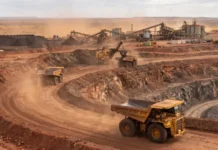
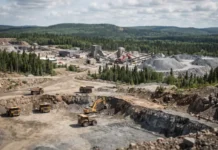
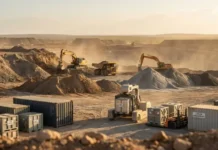
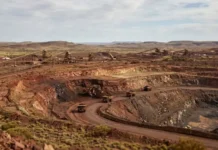
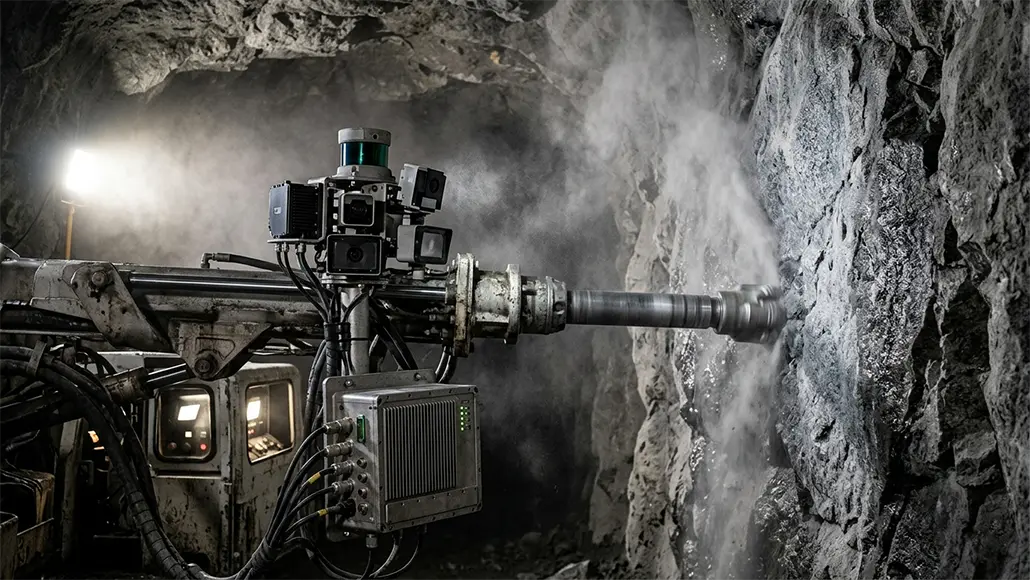
The most prominent and successful example of automation in mining today is the widespread deployment of autonomous haulage systems (AHS). These massive, driverless trucks navigate the complex topography of open-pit mines with a degree of consistency and precision that far exceeds human capability. Guided by a combination of high-precision GPS, lidar, and radar, these vehicles operate 24/7, pausing only for refueling and scheduled maintenance. This consistency translates directly into higher productivity and lower fuel consumption, as the trucks follow optimized paths and maintain ideal speeds to minimize mechanical wear. Similarly, autonomous drilling rigs have revolutionized the development of the mine face. These automated mining systems can execute complex blast patterns with sub-centimeter accuracy, ensuring that the subsequent blasting process is more efficient, produces better fragmentation, and requires less explosive. By removing human operators from the dusty, noisy, and vibrating environment of the drill cab, the industry is also achieving a significant leap in worker safety and long-term health.
AI Mining and the Orchestration of the Digital Fleet
If autonomous vehicles and drills are the muscles of the next-generation mine, then AI mining is the sophisticated brain that orchestrates their every movement. Artificial intelligence is used to manage the “flow” of the entire mine site, making real-time decisions that optimize the production chain from pit to crusher. For instance, an AI-driven dispatch system can analyze the current status, location, and load of all trucks and shovels, dynamically rerouting vehicles to avoid bottlenecks and maximize the throughput of the primary crusher. This level of complex orchestration is impossible for a human dispatcher to achieve at the scale of a modern mega-mine. Furthermore, AI mining is being used for predictive maintenance, analyzing the telemetry data from thousands of machine components to identify the subtle signs of impending failure. By intervening before a breakdown occurs, companies can avoid costly unplanned downtime and extend the life of their multi-million dollar capital assets, making the entire operation more resilient and profitable.
Mining Robotics and the Automation of Underground Extraction
While surface automation has seen the most rapid commercial growth, the application of mining robotics in underground environments represents the true next frontier of the industry. Underground mining is inherently more hazardous, confined, and geologically unstable, making it the ideal setting for robotic solutions that remove humans from the danger zone. Automated mining systems now include remote-controlled and fully autonomous loaders (LHDs) that can navigate narrow tunnels and muck out blast zones without a human operator on board. Additionally, specialized mining robotics are being developed for high-risk tasks such as rock bolting, shotcreting, and the precise handling of explosives. These machines can operate in conditions of high heat, poor air quality, and unstable ground, where human presence would be too dangerous or would require massive investment in cooling and ventilation. The development of “swarm” robotics where multiple small machines work together to achieve a common task is also being explored for precision extraction in narrow-vein deposits, potentially unlocking resources that were previously uneconomical to mine safely.
The Role of Tele-Remote Operations and Remote Control Hubs
A critical component of the transition to automation in mining is the ability to control equipment from a safe distance. Tele-remote operations allow skilled workers to operate machinery from the comfort of a surface office, which can be located hundreds or even thousands of kilometers away from the actual mine site. Using high-definition video feeds, low-latency communication networks, and haptic feedback controllers, operators can “feel” the machine’s performance as if they were sitting in the cab. This approach offers the best of both worlds: the cognitive flexibility and problem-solving skills of a human operator and the safety of a remote, climate-controlled environment. Many companies are now centralizing these functions in Integrated Remote Operations Centers (IROCs), which serve as the central hub for the future mining enterprise. From an IROC, a small, multi-disciplinary team can manage the entire “pit-to-port” supply chain, ensuring that every piece of automated equipment is working in perfect harmony to meet production targets while maintaining the highest safety standards.
Improving Safety and Sustainability through Automation
The drive toward automation in mining is fundamentally motivated by a dual commitment to worker safety and environmental sustainability. By removing humans from high-risk areas such as the active mine face or the path of heavy haulage automated mining systems have drastically reduced the frequency of lost-time injuries and fatalities. Furthermore, the precision of autonomous machines leads to a more efficient and less wasteful use of resources. For example, autonomous trucks use less fuel and wear through expensive tires more slowly than human-driven ones, significantly reducing the environmental footprint of the operation. AI mining also enables more precise blasting and extraction, which means less waste rock is moved and processed, saving enormous amounts of energy and water. This alignment of productivity goals with ESG (Environmental, Social, and Governance) standards is ensuring that the industry maintains its social license to operate in an increasingly environmentally conscious global society.
The Challenge of Integration and Workforce Transformation
The transition to next-generation operations is not without significant challenges. One of the primary hurdles is the complex integration of diverse automated mining systems from different manufacturers into a single, cohesive, and cyber-secure platform. This requires the development of industry-wide standards for data exchange and interoperability. Additionally, the move toward automation in mining necessitates a profound and sensitive transformation of the workforce. While some traditional roles are being displaced, new and more technically advanced opportunities are emerging for data scientists, robotics technicians, and remote operators. Companies are investing heavily in comprehensive retraining and upskilling programs to ensure that their current employees can thrive in this new high-tech environment. The successful “future mining” enterprise will be the one that balances rapid technological innovation with a human-centric approach to change management, fostering a culture of continuous learning and adaptation among its most valuable asset its people.
As we look toward the next decade, the impact of automation in mining will only continue to accelerate. We are moving toward a state of “full-mine autonomy,” where the entire lifecycle of a mine from exploration and construction to extraction and final closure is managed by a seamless web of intelligent machines and advanced AI. This will not only make mining safer and more profitable but will also allow us to access the deep-seated resources required for the global energy transition in a way that is truly sustainable. The journey toward next-generation operations is a testament to the mining industry’s ability to reinvent itself for the modern age, proving that even the oldest industrial sectors can lead the way in technological excellence and innovation. By embracing automation in mining, we are ensuring that the world’s mineral needs are met by a sector that is as intelligent, safe, and efficient as the technology that powers it.