








In the complex world of mineral extraction, the journey of an ore begins long before it reaches the refinery or the consumer. The efficiency of an operation is often judged not just by what is pulled from the ground, but by how effectively it is moved across the site and beyond the gate. Mining transport systems are the lifeblood of the industry, encompassing everything from the massive haul trucks in the pit to the long-haul rail networks and port facilities that connect remote mines to global markets. As the industry faces increasing pressure to reduce costs and minimize its carbon footprint, the optimization of mining logistics has become a top priority. By leveraging automation, data analytics, and advanced engineering, companies are transforming their supply chain mining into a source of competitive advantage and resilience.
The Role of High Capacity Haulage Systems in Pit Efficiency
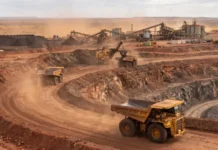
The most visible part of any mining transport network is the haulage systems used to move rock from the face to the crusher. These vehicles are among the largest land machines on Earth, capable of carrying hundreds of tons in a single trip. However, the true optimization of these systems lies in their coordination and the minimization of “dead time.” Mining logistics software now uses real-time GPS and AI to dispatch trucks to the exact location where they are needed most, minimizing wait times at both the shovel and the dump point. This dynamic dispatching ensures that the flow of material is constant and that the equipment is utilized to its maximum potential. Furthermore, the shift toward autonomous haulage has removed the variability of human driving, leading to more consistent cycle times and significantly lower fuel consumption per ton moved. The integration of 5G connectivity is enabling these massive fleets to communicate with each other and the control center with millisecond precision, creating a synchronized “ballet” of movement in the pit.
Conveyor Systems and Continuous Material Movement
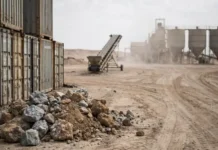
While trucks offer flexibility, conveyor systems provide the ultimate in transport mining efficiency for high-volume, fixed-route movements. Modern conveyors are capable of spanning dozens of kilometers, traversing rugged terrain that would be difficult and expensive for a road-based fleet. The latest mining transport systems include “smart” conveyors equipped with sensors that monitor belt tension, temperature, and material load in real time. These systems can automatically adjust their speed to match the output of the mine, preventing overflows and reducing energy waste. By replacing a portion of the truck fleet with continuous conveyor belts, companies can drastically reduce their reliance on diesel and lower the noise and dust pollution associated with traditional haulage systems. Advanced materials such as high-tensile steel cords and low-rolling-resistance rubber compounds are further extending the life and efficiency of these critical transport links.
Rail Automation and Long Haul Mining Distribution
For many remote mines, the link to the coast is provided by heavy-haul rail. The scale of mining distribution via rail is staggering, with some trains stretching several kilometers in length and carrying tens of thousands of tons of ore. The optimization of these supply chain mining links has been revolutionized by rail automation. Autonomous trains can operate with a level of precision that maximizes the capacity of the track and reduces the wear on both the rolling stock and the rails. By using predictive algorithms to manage the speed and braking of these massive loads, rail operators can save significant amounts of energy and improve the reliability of the delivery schedule. This seamless connection between the mine and the port is essential for maintaining the liquidity of the global mineral trade. The implementation of “virtual coupling,” where multiple trains can operate closely together like a single unit, is another innovation pushing the boundaries of rail capacity.
Digitalization and Visibility in the Mining Supply Chain
The modern mining supply chain is no longer a collection of isolated steps; it is an integrated digital ecosystem. Supply chain mining now relies on “control towers” that provide end-to-end visibility of every ton of material in transit. This digitalization allows for the synchronization of the mine’s output with the arrival of ships at the port. If a delay occurs at the processing plant, the transport mining systems can be adjusted in real time to prevent a bottleneck at the loading terminal. This level of agility is crucial for managing the volatility of the commodities market, as it allows companies to accelerate or decelerate their distribution based on current demand and price signals. Blockchain technology is also being explored to provide a transparent and immutable record of the mineral’s journey, ensuring that ethical and environmental standards are met throughout the logistics chain.
Intermodal Logistics and Port Optimization
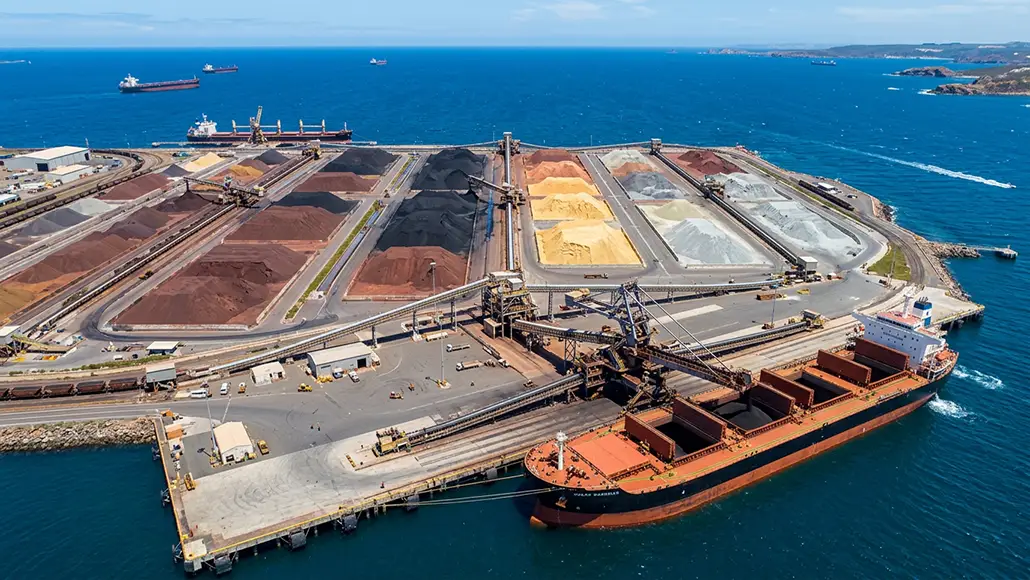
Mining logistics does not end at the railhead. The transfer of material from rail to ship is a critical juncture where efficiency can be won or lost. Optimized mining transport systems include automated stacker-reclaimers and high-speed shiploaders that minimize the “turnaround time” of vessels. By using data from the entire supply chain, port operators can prepare the specific blend of minerals required by a customer before the ship even arrives. This precision in mining distribution ensures that the quality of the product is consistent and that the logistics chain is as lean as possible. The integration of port operations into the broader mining logistics strategy is a key factor in reducing the overall “pit-to-port” cost. Advanced dredging and harbor management technologies are also ensuring that larger, more efficient vessels can be accommodated, further lowering the cost per ton of international transport.
Future Trends in Sustainable Mining Transport
The future of mining transport systems is inextricably linked to the industry’s decarbonization goals. Beyond the electrification of trucks and trains, companies are exploring innovative solutions such as hydrogen-powered haulage and even “electric gravity” systems for downhill hauling. In these systems, a loaded truck going downhill uses regenerative braking to charge its batteries, providing enough power to return to the top of the pit empty. Such innovations in transport mining are essential for creating a circular and sustainable supply chain. As carbon taxes and environmental regulations become more stringent, the ability to move material with zero emissions will become a prerequisite for success in the global market. The use of ammonia or methanol as alternative fuels for the massive ocean-going vessels that carry minerals across the globe is another area of active research, aiming to decarbonize the final link in the mining supply chain.
The optimization of mining transport systems represents one of the most significant opportunities for value creation in the extractive industries. By moving away from siloed logistics and toward an integrated, automated, and data-driven approach, companies can ensure that their supply chain mining is as efficient as the extraction process itself. As the world continues to demand more minerals to fuel the technological and green revolutions, the systems that move those minerals will remain at the forefront of industrial innovation, bridging the gap between the depths of the earth and the needs of society. The ability to manage these complex, global logistics networks with precision and sustainability will be the hallmark of the most successful mining enterprises in the 21st century.