






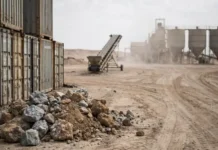
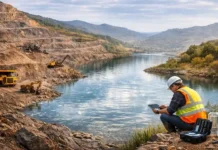
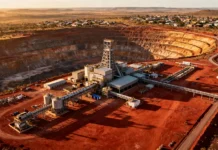
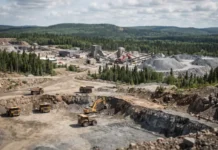
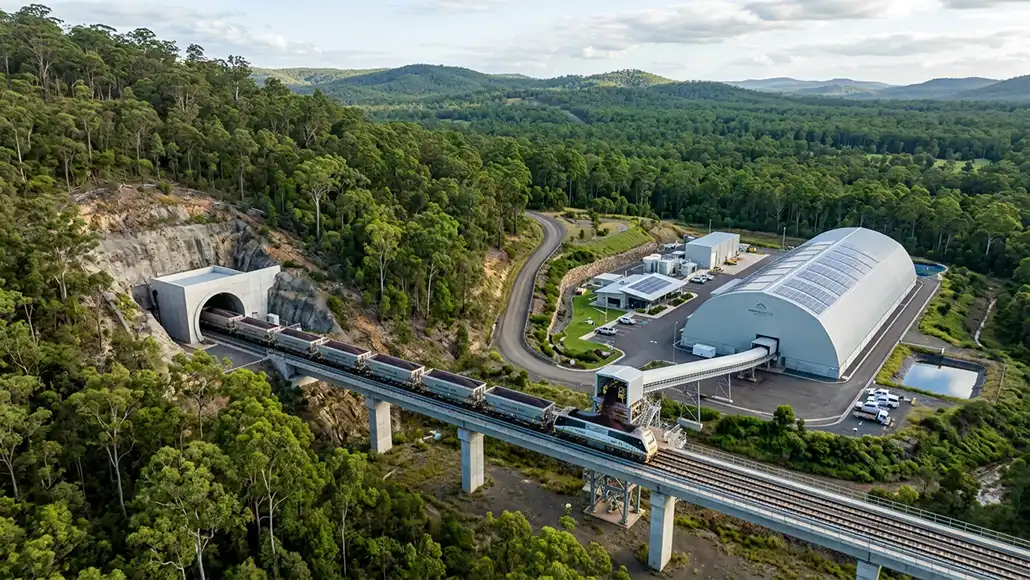

The mining industry is currently at the dawn of a new and exciting era, characterized by a rapid acceleration in technological innovation and a fundamental shift in core operational priorities. As we look toward the next several decades, the future trends in mining engineering and transport systems are being shaped by the dual imperatives of environmental sustainability and maximum operational efficiency. The traditional “large-scale, high-impact” approach to mining is being challenged by a definitive move toward more targeted, lower-impact, and sometimes even “invisible” extraction methods. This evolution is driven by the urgent need to access deeper, lower-grade deposits in increasingly sensitive environments, while also meeting the massive global demand for minerals required for the green energy transition. By integrating digital twins, advanced materials science, and fully automated logistics, the industry is creating a new and sophisticated blueprint for resource management.
The Shift Toward Low-Impact and “Invisible” Mining Engineering
One of the most significant and transformative mining engineering trends is the push toward minimizing the physical footprint of the entire operation. The mines of the future will increasingly be designed to be “invisible” to the local environment, with much of the processing and logistics infrastructure located underground and surface disruption kept to an absolute minimum. This involves the use of advanced tunnel boring machines (TBMs) and micro-tunneling technology that can create subterranean networks with surgical precision, avoiding the need for massive open pits. Furthermore, the development of in-situ recovery (ISR) techniques where minerals are dissolved in place and pumped to the surface without moving any waste rock is a major area of mining innovation. While ISR is currently limited to specific minerals like uranium and copper, research is ongoing to expand its application to a wider range of commodities through the use of specialized lixiviants and bio-leaching agents. This move toward non-invasive extraction represents a complete paradigm shift in future mining.
Digital Twins and the Optimization of Mine Design
In the realm of engineering mining trends, the use of digital twins is rapidly becoming the gold standard for both new “greenfield” projects and the expansion of existing “brownfield” sites. A digital twin is a dynamic, high-fidelity virtual replica of the physical mine, encompassing everything from the geological ore body and rock mechanics to the ventilation and transport systems mining. By using real-time data from thousands of IoT sensors, engineers can run complex “what-if” simulations to optimize the mine design for safety, cost, and energy efficiency before a single cubic meter of rock is ever moved. This allows for the identification of potential structural or operational bottlenecks and the testing of different ventilation layouts in a risk-free environment. As AI becomes more sophisticated, these digital twins will evolve into autonomous planning systems that can continuously refine the mine plan in response to real-world geological data, ensuring that the operation always follows the most efficient and safe path.
Advanced Materials and the Longevity of Subterranean Infrastructure
The durability, resilience, and safety of mining infrastructure are being enhanced by major breakthroughs in materials science that are just now reaching the industrial scale. Future trends in mining engineering include the use of high-performance polymers, self-healing concrete that can repair its own cracks, and corrosion-resistant alloys that can withstand the extreme temperatures and pressures of deep-level mining. These materials not only extend the life of tunnels, shafts, and processing plants but also significantly reduce the need for frequent, costly, and hazardous maintenance activities. Additionally, the use of modular engineering where infrastructure components are pre-fabricated in a controlled factory environment and then quickly assembled on-site is gaining significant traction. This approach reduces construction time by months, minimizes on-site waste, and allows for the rapid deployment of high-quality infrastructure in the most remote and challenging locations. This focus on “engineering for longevity” is essential for a future mining sector.
Revolutionary Transport Systems Mining and Subterranean Logistics
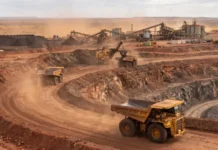
The movement of material is consistently the most energy-intensive and costly part of any mining operation, and transport systems mining are undergoing a radical and much-needed transformation. One of the most exciting future trends is the development of fully automated, high-speed rail systems for underground material movement, replacing flexible but inefficient truck fleets. These systems can transport ore from the mine face to the processing plant with a level of efficiency and safety that far exceeds traditional haulage. Additionally, the use of vertical conveyor systems and “smart” gravity-fed logistics is being explored to move ore from deep levels to the surface with minimal energy consumption. On the surface, the integration of autonomous, multi-modal transport combining automated rail, truck, and even drone-based delivery for spare parts is creating a seamless and highly responsive “pit-to-port” supply chain. These engineering mining trends are focused on removing every ounce of “friction” from logistics.
Electrification and Hydrogen Power in the Future Mining Fleet
Sustainability is the primary and non-negotiable driver of innovation in modern transport systems mining. The industry is aggressively moving away from diesel power and toward the full electrification of the entire haulage fleet. Battery-electric vehicles (BEVs) are already becoming the norm in underground mines due to their lack of emissions, and the focus is now shifting toward massive large-scale electric haul trucks for surface operations. Furthermore, the use of green hydrogen fuel cells is emerging as a viable and powerful solution for heavy-haulage and long-distance transport, providing a carbon-neutral alternative with the power density required for heavy mining applications. These mining trends are not just about reducing the carbon footprint; they also offer significant operational benefits, such as lower heat and noise levels, improved air quality for workers, and drastically reduced maintenance costs over the vehicle’s life. As the green energy transition accelerates, the “decarbonized” transport system will become the standard for success.
The Role of Robotics and Swarm Intelligence in Precision Extraction
The future of mining engineering is also being shaped by the rise of highly specialized mining robotics and the application of swarm intelligence. Instead of relying on a few massive and expensive machines, the next generation of mines may utilize hundreds of small, autonomous robots that work together like a hive to extract ore from narrow, high-grade, or geologically complex veins. These “swarms” can navigate tight and dangerous spaces that are completely inaccessible to human-driven machinery, allowing for the recovery of valuable resources that were previously considered uneconomical or too risky to mine. This move toward “precision mining” is a key part of the broader mining innovation landscape, as it reduces the amount of waste rock produced and minimizes the overall impact on the earth’s crust. These robots can be programmed with sophisticated AI that allows them to communicate and adapt to changing geological conditions in real-time, providing a level of flexibility and efficiency that is unprecedented.
The future trends in mining engineering and transport systems are pointing clearly toward a sector that is increasingly high-tech, low-impact, and fully integrated with the digital world. By embracing the power of digital twins, new materials, and automated logistics, the industry is ensuring that it can meet the world’s growing resource needs in a way that is both profitable and environmentally responsible. This journey toward future mining is a testament to the sector’s resilience and its capacity for continuous, radical improvement. As we look forward, the distinction between a mining company and a technology company will continue to blur, ushering in a new era of industrial excellence where engineering mining trends and mining innovation work together to provide the foundation for a sustainable and prosperous global society. The successful mining enterprise of the future will be the one that leads this transformation, setting new global standards for safety, efficiency, and environmental stewardship in the most challenging of industrial frontiers.