








The success of any mining operation is built upon the strength and reliability of its infrastructure. In the harsh and often unpredictable environments where minerals are found, the role of mining engineering solutions is to create a safe, stable, and efficient framework for production. Mining infrastructure is much more than just roads and tunnels; it encompasses the complex systems of ventilation, water management, power distribution, and structural support that allow a mine to function as a self-contained industrial city. As mining operations reach greater depths and move into more remote geographies, the demand for engineering innovations mining has never been higher. Today’s engineers are utilizing advanced simulation tools and high-performance materials to design infrastructure that can withstand extreme pressures and temperatures while facilitating a seamless flow of resources. The integration of digital technologies into the very fabric of the mine’s construction is creating a new generation of “smart” infrastructure that can report on its own health and stability.
The Foundation of Modern Mine Design and Stability
The first step in creating a resilient mine is the application of sophisticated mine design principles. Geotechnical engineering has evolved from a discipline based on empirical observations to one driven by high-resolution data and 3D modeling. Before a single tunnel is excavated, engineers use seismic surveys and core sampling to create a digital twin of the subterranean environment. This allows them to predict how the rock will behave under the stress of extraction. Mining engineering solutions in the modern era involve the use of dynamic support systems, such as automated rock bolting and the application of high-strength shotcrete, which adapt to the moving stresses of the earth. This proactive approach to infrastructure mining ensures that the working areas remain safe and that the integrity of the mine is maintained over its entire operational life. The use of ground-penetrating radar and micro-seismic monitoring networks provides a continuous, real-time look at the stability of the mine’s roof and walls, allowing for immediate evacuation or reinforcement if structural anomalies are detected.
Engineering Innovations Mining for Underground Ventilation
In underground mining, the quality of the air is the most critical factor for human safety and equipment performance. Designing a ventilation system for a mine that may be several kilometers deep is a monumental challenge. Engineering innovations mining have led to the development of “ventilation on demand” (VOD) systems. These intelligent networks use sensors to track the location of personnel and machinery, directing fresh air only to the areas where it is needed. This not only ensures a safe breathing environment but also drastically reduces energy consumption, as the massive fans that drive the air can be throttled down when areas are unoccupied. The precision of these mining engineering solutions is a prime example of how digital control can enhance physical infrastructure to create a more sustainable operation. Advanced computational fluid dynamics (CFD) modeling is now used to simulate the flow of air and heat through complex tunnel networks, ensuring that even the deepest reaches of the mine are properly cooled and ventilated.
Advanced Construction in Mining for Tailings and Water Management
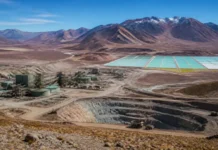
Mining produces vast quantities of waste and requires significant amounts of water, necessitating robust construction in mining for the management of these resources. The engineering of tailings storage facilities (TSFs) has undergone a radical transformation in recent years, with a focus on absolute stability and environmental protection. Modern mining engineering solutions include the use of synthetic liners, advanced drainage systems, and real-time monitoring sensors that detect the slightest movement in a dam wall. Furthermore, the infrastructure mining for water treatment has become more integrated, allowing for the purification and reuse of mine water on-site. This prevents the contamination of local watersheds and ensures that the mine has a reliable supply of water, regardless of external climatic conditions. The move toward “filtered” or “dry-stack” tailings is another significant engineering shift, reducing the risk of dam failure by removing the liquid component of the waste and creating a stable, solid landform.
Structural Integrity of Surface Facilities and Processing Plants
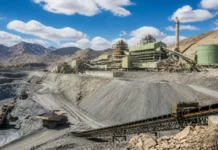
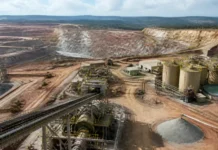
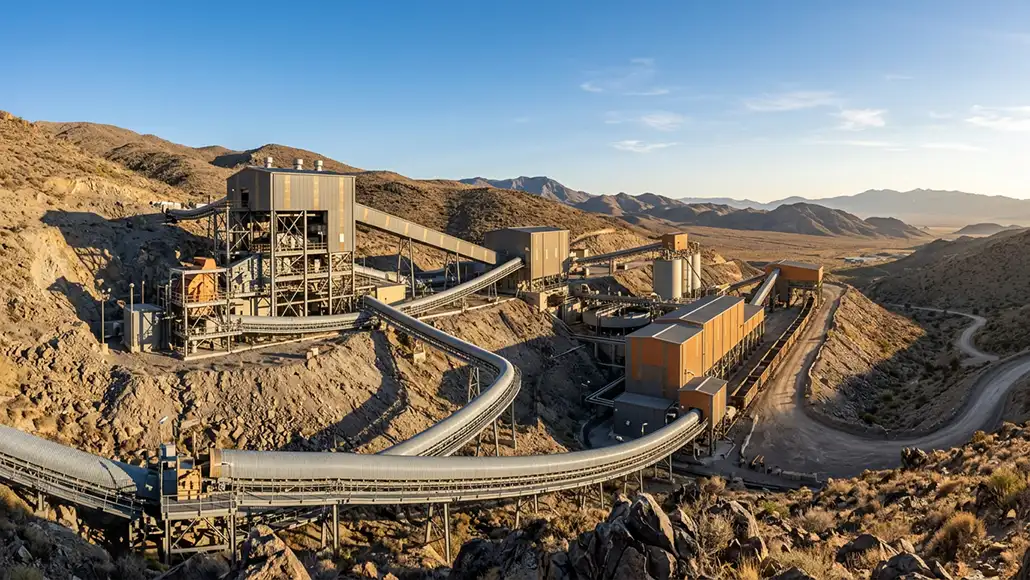
While much of the focus in the industry is on the extraction point, the surface infrastructure including processing plants, stockpiles, and loading facilities is equally vital. Engineering solutions in this area focus on modularity and durability. In remote locations, the ability to transport and assemble pre-fabricated components can save months of construction time. High-performance construction in mining utilizes corrosion-resistant alloys and reinforced polymers that can withstand the abrasive nature of ore and the corrosive chemicals used in processing. These engineering innovations mining ensure that the processing chain remains operational with minimal downtime, even in environments characterized by extreme cold, heat, or humidity. The design of these facilities is also increasingly influenced by seismic engineering, ensuring that critical infrastructure can survive earthquakes and other natural disasters, which is particularly important in regions like the Andes or the Pacific Rim.
Digital Twins and Structural Health Monitoring
The concept of the “digital twin” has moved from a design tool to a lifelong management system for mining infrastructure. By embedding fiber-optic sensors and accelerometers into the concrete and steel of the mine’s structures, engineers can monitor the health of the infrastructure in real time. This allows for the detection of fatigue, corrosion, or ground movement long before it becomes visible to the naked eye. These mining engineering solutions provide a data-driven basis for maintenance, ensuring that repairs are carried out precisely when and where they are needed. This level of oversight is particularly important for aging infrastructure mining, where the cumulative effects of years of vibration and stress must be carefully managed to prevent structural failure. Machine learning algorithms are now being trained to recognize the “signature” of various structural issues, providing even earlier warnings and more accurate diagnoses.
Sustainable Engineering and Carbon Neutral Infrastructure
As the industry moves toward a greener future, the engineering of mining infrastructure is incorporating sustainability at every level. This includes the use of “green” concrete, which has a lower carbon footprint, and the integration of renewable energy storage systems, such as pumped hydro or large-scale batteries, directly into the mine design. Mining engineering solutions are also exploring the use of carbon capture and storage (CCS) technologies within the mine’s ventilation and processing streams. By designing infrastructure that can actively contribute to a site’s carbon neutrality goals, engineers are ensuring that the mines of the future are compatible with a low-carbon global economy. This holistic approach to construction in mining represents the next frontier of the discipline. The design of mine closures and the repurposing of infrastructure for post-mining use such as turning underground voids into data centers or energy storage facilities is becoming an integral part of the initial engineering phase.
The integration of these diverse engineering solutions is what allows the modern mining industry to operate at such a vast scale. Without the constant refinement of mine design and the implementation of engineering innovations mining, the extraction of deep and complex ore bodies would be both economically and physically impossible. As we look forward, the role of the mining engineer will continue to expand, blending traditional civil and mechanical expertise with data science and environmental management. This evolution will ensure that the infrastructure of the mining world remains the bedrock of global resource security, providing the stability and efficiency required to meet the demands of the 21st century. The ability to build resilient, smart, and sustainable infrastructure will be the defining characteristic of the leading mining companies in the years to come.