






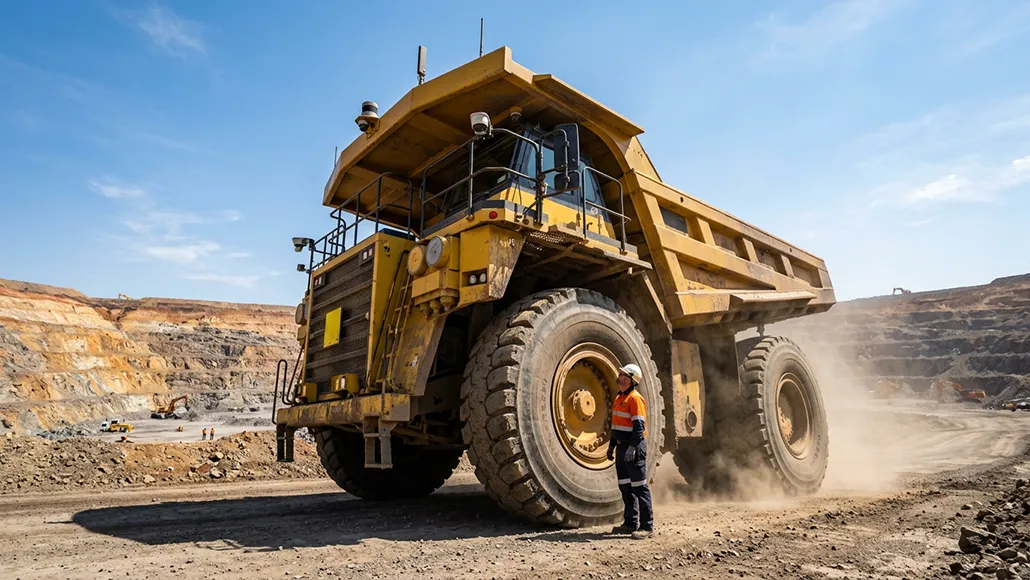

The mining industry has always been defined by the capabilities of the tools at its disposal. From the rudimentary picks and shovels of the past to the colossal draglines and drills of today, the progression of the sector has mirrored the advancement of mechanical engineering. In the current industrial era, we are witnessing a surge in mining equipment innovations that are doing more than just making machines bigger; they are making them smarter, more efficient, and fundamentally more productive. This wave of transformation is driven by the need to operate in increasingly hostile environments and the imperative to maximize the yield from every ton of material moved. By integrating cutting-edge materials science with digital intelligence, modern heavy machinery is setting new benchmarks for operational excellence and environmental accountability.
The Shift Toward Intelligent Heavy Machinery Mining
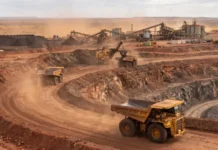
Traditional mining equipment was built for brute strength, designed to endure the punishing conditions of rock and dust through sheer mass and power. However, the modern approach to heavy machinery mining emphasizes a balance between power and precision. Today’s machines are equipped with a suite of sensors that act as a nervous system, constantly feeding data back to onboard computers and remote operators. This intelligence allows for real-time adjustments to cutting speeds, bucket loads, and fuel consumption. When a machine can “feel” the resistance of the rock it is engaging with, it can optimize its output to prevent unnecessary wear and tear while maintaining the highest possible rate of extraction. This synergy between hardware and software is the hallmark of modern mining technology. The use of edge computing on the machines themselves allows for instantaneous decision-making, reducing the latency that can occur when data must travel to a central server and back.
Automated Equipment and the Rise of the Remote Operator
One of the most profound mining equipment innovations is the widespread adoption of automated equipment. While the concept of automation has been around for decades, it is only recently that the technology has become robust enough to handle the chaos of a working mine site. Autonomous drills, for instance, can now execute complex blast patterns with a level of accuracy that human operators find difficult to match. These drills can operate through shift changes and in poor weather, ensuring that the development of the mine face never stops. Similarly, the rise of tele-remote operations allows skilled workers to control machinery from a comfortable office environment. This not only improves the quality of life for the workforce but also enables a single operator to manage multiple machines simultaneously, effectively multiplying the productivity of the human element. The integration of 5G connectivity is proving to be a game-changer for these remote operations, providing the high-bandwidth, low-latency links required for real-time video and haptic feedback.
Energy Efficiency and the Electrification of the Fleet
As sustainability becomes a core operational goal, the electrification of mining equipment has emerged as a major trend. Heavy machinery mining has traditionally been synonymous with high diesel consumption, which carries both high costs and a significant carbon footprint. New mining equipment innovations are introducing battery-electric vehicles (BEVs) and trolley-assist systems that significantly reduce or eliminate the need for fossil fuels. Electric motors offer superior torque compared to their diesel counterparts, which is particularly beneficial for haul trucks climbing steep ramps out of deep pits. Furthermore, the lack of exhaust fumes in underground mines reduces the burden on ventilation systems, which are among the highest energy consumers in subterranean operations. This shift toward “cleaner” machinery is a perfect example of how productivity and environmental goals can align, as the lower maintenance requirements of electric motors further reduce the total cost of ownership over the machine’s life.
Advanced Materials and Wear-Resistant Technology
The productivity of a mine is often limited by the maintenance requirements of its equipment. In the world of mining equipment innovations, significant strides have been made in materials science to extend the life of critical components. The use of high-strength alloys and composite materials in the construction of buckets, liners, and drill bits has drastically reduced the frequency of replacement. Additionally, 3D printing and additive manufacturing are being used to create custom parts on-site, reducing the downtime associated with waiting for a spare part to arrive from a distant warehouse. By reducing the “mean time between failures,” companies can ensure that their mining productivity tools are spending more time in the pit and less time in the workshop. The application of nano-coatings and ceramic-metal composites is also being explored to provide even greater resistance to the extreme abrasion and heat encountered during deep-level extraction.
Data Driven Maintenance and Diagnostic Tools
The integration of diagnostic sensors into modern mining technology has transformed the way maintenance is performed. Instead of relying on fixed schedules that might result in unnecessary work, maintenance is now increasingly “condition-based.” Smart sensors can detect microscopic metal particles in hydraulic fluids or subtle changes in engine temperature that signal an impending failure. This information allows maintenance crews to intervene precisely when needed, preventing small issues from spiraling into catastrophic engine failures. These mining productivity tools are essential for managing the health of a fleet that may be spread across thousands of acres, ensuring that every piece of equipment is performing at its peak potential. Advanced telemetry systems can even broadcast a machine’s “health status” to the manufacturer’s global support center, allowing for remote diagnostics and expert advice without the need for an on-site technician.
Precision Blasting and Fragmentation Control
While often overlooked, the equipment used for blasting and fragmentation is a critical part of the productivity equation. Mining equipment innovations in the field of explosive delivery systems and electronic detonators allow for much more controlled blasts. By precisely timing the detonation of each hole, engineers can control the size of the resulting rock fragments. If the rock is broken into the ideal size for the primary crusher, the entire downstream process from hauling to milling becomes more efficient. This “mine-to-mill” optimization is a key area where advanced mining technology is yielding massive returns on investment, as it reduces the energy required for crushing and grinding, which is often the most expensive part of the processing cycle. The use of drone-based photogrammetry to analyze the muck-pile after a blast provides instant feedback to the engineers, allowing for the continuous refinement of the blast design.
The future of mining will be defined by those who can best harness these mining equipment innovations to create a more resilient and responsive operation. As we move toward deeper mines and more complex ore bodies, the demand for high-performance, intelligent machinery will only grow. These advancements are not just incremental improvements; they are revolutionary changes that are reshaping the economic landscape of the industry. By investing in the latest mining productivity tools and embracing the shift toward automation and electrification, companies are ensuring that they can continue to supply the world with the minerals it needs in a way that is both profitable and sustainable. The era of the “connected machine” is just beginning, and its impact on the efficiency of the global supply chain will be felt for generations to come.