







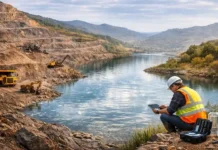
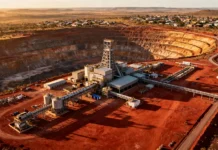
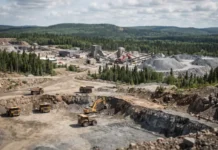
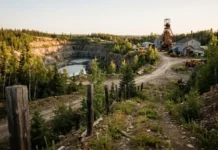

As the global community intensifies its focus on climate change and environmental preservation, the mining industry finds itself in a unique and challenging position. While the world requires an unprecedented volume of minerals to fuel the transition to renewable energy such as copper for electrical grids and lithium for batteries the methods used to extract these materials are under intense scrutiny. Sustainable mining practices are no longer optional “extras” in a corporate social responsibility report; they have become the fundamental blueprint for the industry’s survival and growth. This shift toward responsible mining is driven by a combination of investor pressure, stricter government regulations, and a genuine recognition within the sector that long-term profitability is inseparable from environmental health. The adoption of a circular economy mindset is further pushing the industry to rethink its waste as a resource, fundamentally changing the traditional “take-make-dispose” model of mineral extraction.
Integrating ESG Frameworks into Core Operations
The rise of Environmental, Social, and Governance (ESG) criteria has fundamentally altered how mining projects are funded and managed. Investors now demand transparency regarding how a company manages its carbon footprint, its impact on local ecosystems, and its relationship with indigenous communities. Mining ESG strategies involve a holistic look at the entire lifecycle of a project, ensuring that sustainability is baked into the design phase rather than being an afterthought. This means conducting rigorous environmental impact assessments and developing comprehensive closure plans before the first shovel of earth is even turned. By aligning operational goals with ethical standards, companies can secure the capital necessary for large-scale projects while fostering trust with the public. Furthermore, the reporting of these metrics has become standardized, allowing for a clear comparison between the environmental performance of different global mining giants.
Green Mining and the Decarbonization of Extraction
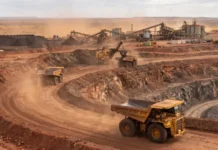
A primary pillar of sustainable mining practices is the aggressive pursuit of decarbonization. Traditional mining is energy-intensive, often relying on diesel-powered fleets and coal-fired electricity. Green mining initiatives are changing this narrative by integrating renewable energy sources directly into the mine site. It is becoming increasingly common to see massive solar farms or wind turbines powering remote operations, drastically reducing the reliance on fossil fuels. Furthermore, the industry is seeing a transition toward electric and hydrogen-powered haulage fleets. These technologies not only reduce greenhouse gas emissions but also improve air quality in underground environments, demonstrating that environmental mining goals often yield significant health benefits for the workforce. The implementation of carbon capture and storage (CCS) technologies at smelters and refineries is another critical step in achieving the net-zero targets that many mining companies have now publicly committed to.
Water Stewardship and Waste Management Solutions
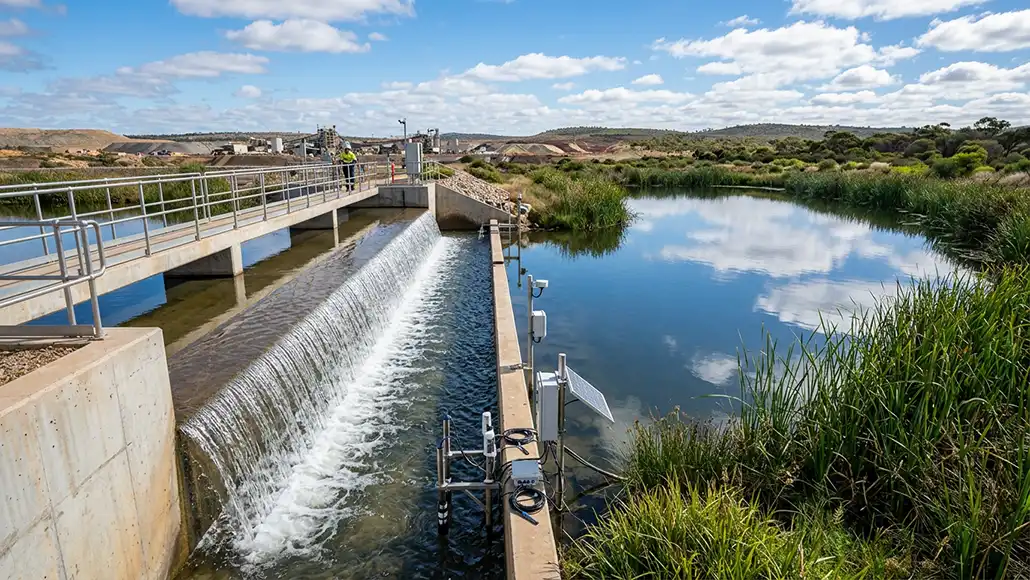
Water is one of the most critical resources in the mining process, and its management is a cornerstone of eco friendly mining. In many regions, mines operate in water-scarce environments where competition for resources with local agriculture and communities is high. Responsible mining involves the implementation of closed-loop water systems, where process water is treated and recycled multiple times within the plant. Additionally, the management of tailings the waste material left over after mineral extraction has seen a revolution in safety and sustainability. Techniques such as dry stack tailings, which involve removing water from the waste to create a stable, solid mass, are replacing traditional wet dams that pose significant risks to the surrounding environment and downstream communities. Innovative companies are also exploring the use of tailings for brick manufacturing or as a substrate for reforestation, turning a historical liability into a potential asset.
Enhancing Biodiversity and Land Reclamation
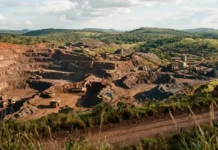
The physical footprint of a mine is often the most visible point of contention for environmentalists. Sustainable mining practices aim to minimize this footprint through precision extraction and concurrent reclamation. Instead of waiting until the end of a mine’s life to begin restoration, progressive companies engage in a process where land is rehabilitated as soon as it is no longer needed for operations. This involves the careful stockpiling of topsoil, the reintroduction of native flora, and the creation of habitats that support local wildlife. In some cases, reclaimed mine sites have been transformed into recreational parks, agricultural land, or even renewable energy hubs, ensuring that the land remains an asset to the community long after the minerals have been exhausted. The use of advanced satellite imagery and drone monitoring allows for the precise measurement of biodiversity gains over time, providing empirical proof of successful restoration.
Social License to Operate and Community Collaboration
Sustainability is as much about people as it is about the planet. The concept of the “social license to operate” refers to the ongoing acceptance of a mining project by local stakeholders. Building this license requires more than just providing jobs; it involves deep, respectful collaboration with local populations. Sustainable mining practices include creating local supply chains, investing in education and healthcare infrastructure, and ensuring that indigenous rights are respected. When a mining company acts as a partner in regional development, it creates a resilient foundation for the project. This human-centric approach reduces the risk of social unrest and legal challenges, ensuring that the benefits of mineral wealth are shared equitably with those who live closest to the source. Participatory monitoring programs, where community members are trained to monitor water quality and environmental health alongside the company, are becoming a gold standard for transparency and trust.
Innovation in Low Impact Extraction Technologies
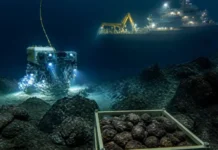
The future of the industry lies in the development of technologies that allow for mineral recovery with minimal surface disruption. In-situ recovery (ISR), for instance, involves dissolving minerals in place and pumping the solution to the surface, eliminating the need for massive open pits or underground tunnels. While not suitable for all minerals, it represents the cutting edge of environmental mining. Additionally, the use of bio-leaching where bacteria are used to break down ores offers a lower-energy, chemical-free alternative to traditional smelting and refining. These innovations are critical for accessing lower-grade deposits in a way that remains economically viable and environmentally responsible. Deep-sea mining and asteroid mining are also being discussed as future frontiers, though they bring their own unique set of sustainability challenges that the industry is only beginning to navigate through international frameworks.
The path toward a truly sustainable mining industry is a long and complex one, requiring constant adaptation and significant capital investment. However, the rewards are clear: a more efficient operation, a more engaged workforce, and a more secure future in a world that values green mining. As the industry continues to evolve, those who lead the way in sustainable mining practices will be the ones who define the next century of resource management, proving that industrial progress and environmental protection are not mutually exclusive but are, in fact, two sides of the same coin. The ultimate goal is a “net-positive” impact, where the presence of a mine leaves the environment and society in a better state than it was found, setting a new paradigm for all extractive industries.