








The global mining landscape is currently witnessing an era of unprecedented change, driven by the convergence of physical extraction and digital intelligence. Digital transformation mining is no longer a futuristic concept reserved for the largest multinational corporations; it has become a present-day necessity for any company aiming to remain competitive in a volatile global market. This shift represents the comprehensive integration of digital technology into all areas of a mining business, fundamentally changing how value is delivered to stakeholders. It is a journey that moves far beyond simple automation, focusing instead on how data can be leveraged to optimize every decision, from the initial exploration of a mineral deposit to the final shipment of refined product to the end-user. By fostering a culture of continuous innovation and digital literacy, the industry is overcoming traditional barriers to growth, such as declining ore grades, rising operational costs, and the increasing complexity of remote site management.
The Role of Interconnected Systems and Mining IoT
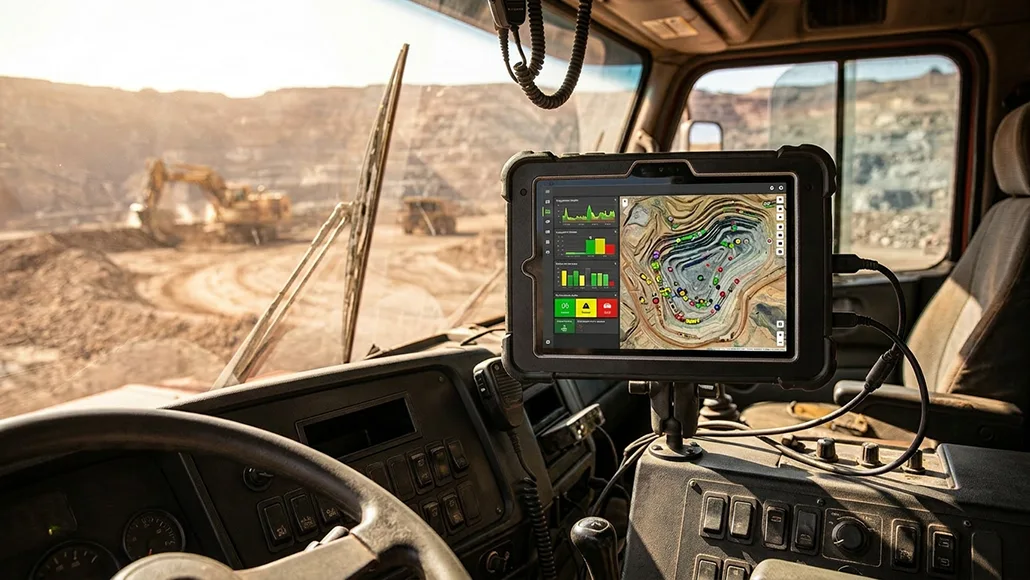
At the core of this transformation is the deployment of mining IoT, a network of sensors and devices that provide a granular, real-time view of the entire operation. These technologies act as the eyes and ears of the mine, capturing data on everything from equipment health and fuel consumption to the environmental conditions in underground tunnels. When these assets are connected, they create a “unified nervous system” that allows for a level of monitoring and control that was previously impossible. This interconnectedness is vital for breaking down the functional silos that have historically plagued mining operations. When the geology team, the extraction crew, and the processing plant are all looking at the same real-time data, the entire organization can move in unison, responding with agility to changing conditions or unexpected disruptions. The ability to see exactly where every piece of equipment is and how it is performing allows for a level of site coordination that maximizes the utilization of multi-million dollar capital assets.
Leveraging Mining Analytics for Strategic Decision Support
Data alone is just noise unless it is processed into actionable insights. This is where mining analytics plays a transformative role. By applying advanced statistical models and machine learning to the vast quantities of data generated by IoT devices, mining companies can uncover hidden patterns and correlations that drive massive gains in efficiency. For example, predictive analytics can identify the subtle signs of metallurgical variability in an ore body, allowing the processing plant to adjust its parameters before the material even arrives. This level of foresight minimizes chemical waste and maximizes recovery rates, directly impacting the bottom line. Furthermore, prescriptive analytics can run thousands of simulations to determine the most profitable mining sequence, balancing short-term cash flow with long-term resource sustainability. The transition from “hindsight-based” reporting to “foresight-based” planning is perhaps the most significant competitive advantage offered by the digital age.
Digital Mining and the Optimization of the Value Chain
The impact of digital transformation mining extends far beyond the pit or the underground face. It is about optimizing the entire value chain from exploration to market. Mining software solutions now integrate geological models, mine plans, and financial data into a single, cohesive platform. This allows for “dynamic planning,” where the mine plan can be updated in hours rather than weeks in response to market price fluctuations or operational constraints. By streamlining the flow of information across the business, companies can reduce the friction that leads to delays and cost overruns. This digital integration also facilitates better collaboration with external partners, such as equipment manufacturers and logistics providers, creating a more resilient and responsive supply chain. When every stakeholder in the chain has visibility into the production schedule, the entire ecosystem becomes more efficient, reducing stock-outs and ensuring that the right product reaches the right customer at the right time.
Smart Mines and the Implementation of Remote Operations Centers
The evolution toward smart mines has led to the rise of Integrated Remote Operations Centers (IROCs). These hubs act as the command-and-control center for a mining enterprise, often located thousands of kilometers away from the actual site in major urban centers. From an IROC, a team of specialists can monitor multiple mine sites simultaneously, providing expert support to on-site personnel and making high-level tactical decisions. This centralization of expertise ensures that best practices are applied consistently across the entire organization. It also improves safety and quality of life for employees, who can work in a modern office environment rather than a remote, harsh mining camp. The IROC is the ultimate expression of digital transformation mining, demonstrating how technology can bridge the gap between human expertise and physical assets to drive growth and operational excellence. It allows the company to attract a different demographic of talent, such as data scientists and software engineers, who might otherwise be reluctant to live in a remote mining town.
Improving Transparency and ESG Reporting through Digital Tools
In today’s investment climate, operational transparency is as important as productivity. Stakeholders demand clear, verifiable data on a company’s environmental, social, and governance (ESG) performance. Digital mining tools provide the means to track and report these metrics with high precision. For instance, IoT sensors can provide real-time data on water usage, carbon emissions, and tailings dam stability. This data is essential for maintaining a social license to operate and for attracting the capital necessary for new projects. By providing a “single version of the truth,” digital transformation mining eliminates the ambiguity often associated with sustainability reporting, building trust with regulators, communities, and investors alike. In many jurisdictions, the ability to provide real-time environmental monitoring is becoming a prerequisite for obtaining and maintaining mining permits, making digital tools a core part of the legal and regulatory compliance framework.
The Human Element: Upskilling for the Digital Era
While the technology is impressive, the success of any digital transformation mining initiative depends on the people who use it. The industry is currently undergoing a massive upskilling effort to prepare its workforce for the digital era. This involves training traditional miners in data literacy and providing them with user-friendly digital tools that simplify their daily tasks. Mobile applications and wearable devices allow field workers to access technical manuals, report hazards, and update progress in real-time, reducing the administrative burden and allowing them to focus on high-value activities. By empowering employees with the right technology, mining companies are fostering a more engaged and innovative workforce that is capable of driving the next phase of industry growth. The focus is not on replacing humans but on enhancing their capabilities, allowing them to make more informed decisions and to work in a safer, more productive manner.
Overcoming the Challenges of Digital Integration
The road to a fully digital mine is paved with challenges, including the need for robust cybersecurity and the complex integration of legacy systems. A modern mine is a massive network of thousands of connected devices, each of which represents a potential entry point for a cyberattack. Protecting this infrastructure requires a deep commitment to network security, encryption, and continuous monitoring. Furthermore, many mines still rely on equipment and software that were designed decades ago, and integrating these legacy systems with modern cloud-based analytics platforms requires significant technical expertise. However, the benefits of digital transformation mining increased productivity, improved safety, and lower costs far outweigh these risks. Companies that successfully navigate these challenges will be the ones that define the future of the industry.
As the industry continues to refine its digital strategies, we will see a move toward “autonomous enterprises,” where the integration of AI, IoT, and robotics allows for a level of self-optimization that was previously unimaginable. This transformation is not just about survival; it is about thriving in a new era of industrial excellence. By embracing the power of digital transformation mining, the sector is ensuring that it can continue to meet the world’s resource needs in a way that is both profitable and sustainable. The digital mine is a more resilient mine, better equipped to handle the fluctuations of the global economy and the increasing demands of environmental stewardship.