








The global mining industry stands at a pivotal crossroads where the traditional methods of resource extraction are no longer sufficient to meet the rising demands of a technology-driven world. As ore grades decline and the complexity of accessing deep-seated deposits increases, the sector has turned toward smart mining technologies to bridge the gap between physical limitations and operational goals. This transition is not merely about replacing manual labor with machines; it represents a fundamental shift in how data is perceived, gathered, and utilized across the entire lifecycle of a mine. By embedding intelligence into every facet of the operation, from the initial geological survey to the final delivery of processed minerals, the industry is fostering a culture of precision that was previously unattainable. The integration of high-speed connectivity and advanced analytics has turned the mine site into a living laboratory of efficiency, where every movement is measured and every variable is optimized for maximum output.
The Evolution of the Digital Mine Environment
The concept of the digital mine is centered on the seamless integration of physical assets with sophisticated software ecosystems. At the heart of this evolution is the Internet of Things (IoT), which allows for the interconnection of sensors, heavy machinery, and communication networks. These smart mining technologies provide a continuous stream of data that offers a transparent view of the subterranean environment and the performance of surface equipment. When every drill, truck, and ventilation fan is capable of reporting its status in real time, the management of a mine site transforms from a reactive endeavor into a proactive one. This visibility is essential for identifying bottlenecks before they escalate into costly delays, ensuring that the flow of materials remains consistent and optimized. The deployment of private LTE and 5G networks in remote regions has further accelerated this trend, providing the low-latency bandwidth required for tele-remote operations and high-definition video monitoring.
Artificial Intelligence and Predictive Analytics in Resource Management
One of the most significant breakthroughs in the modern era is the application of AI in mining to interpret the vast quantities of data generated by connected devices. Artificial intelligence acts as the brain of the smart mine, capable of recognizing patterns and anomalies that would be invisible to the human eye. Through predictive analytics, mining companies can now anticipate equipment failures weeks in advance. By analyzing vibration data, temperature fluctuations, and oil quality, AI algorithms can schedule maintenance only when necessary, avoiding the pitfalls of both premature servicing and catastrophic breakdowns. This level of foresight directly contributes to mining efficiency, as it maximizes the uptime of expensive capital assets and reduces the overall cost of maintenance programs. Moreover, AI is being used to optimize the ore-grading process, using computer vision to analyze the composition of the rock on the conveyor belt and adjusting the downstream processing chemicals in real-time.
Autonomous Systems and the Future of Haulage
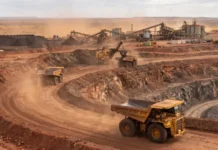
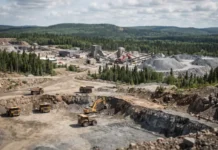
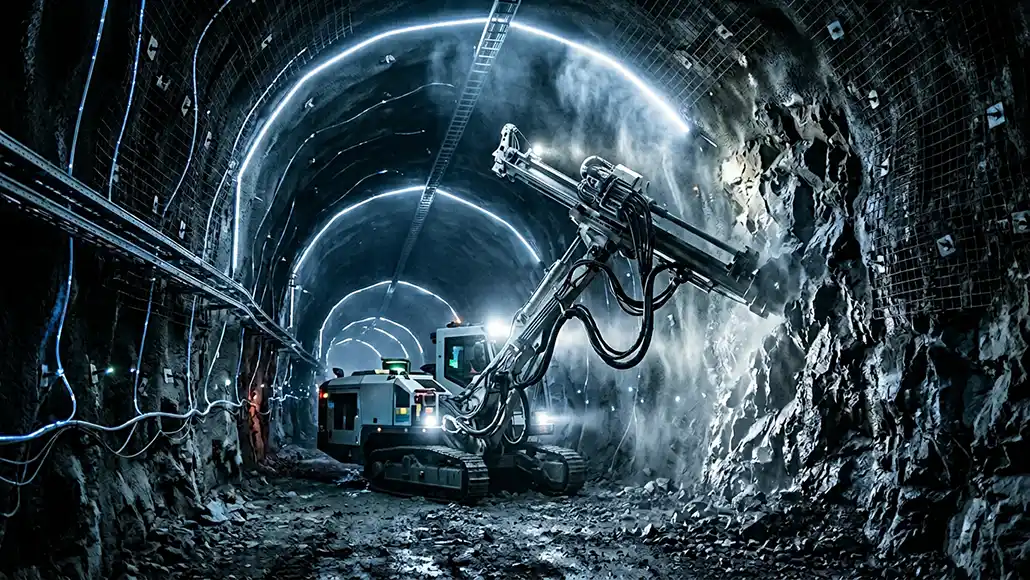
The introduction of mining automation has perhaps seen its most visible success in the realm of autonomous haulage systems. Giant trucks, capable of operating without a human driver, now navigate complex pit environments with a degree of consistency that exceeds human capability. These vehicles are guided by high-precision GPS, lidar, and radar systems, allowing them to operate 24/7 in conditions ranging from dense fog to extreme heat. Beyond the obvious labor savings, the true value of autonomous systems lies in their predictability. They follow optimized paths, maintain ideal speeds for fuel efficiency, and minimize tire wear. This systematic approach to material movement significantly lowers the carbon footprint of the operation while drastically reducing the risk of accidents, as human fatigue a leading cause of incidents in remote sites is eliminated from the equation. The implementation of autonomous drilling rigs has also seen similar success, where machines can execute perfect patterns with minimal supervision, leading to better fragmentation during blasting.
Digital Mining Solutions and Real Time Decision Support
In the past, the communication gap between the mine face and the head office often led to decision-making based on outdated information. Digital mining solutions have bridged this chasm by providing centralized control rooms that act as a “mission control” for the entire enterprise. From these hubs, engineers and operators can monitor the health of the mine, adjust production targets on the fly, and coordinate the movement of personnel. The integration of real-time analytics allows for dynamic scheduling, where the output of the mine can be adjusted based on the current market price of the mineral or the specific requirements of the processing plant. This agility ensures that the mining operation remains profitable even in volatile market conditions. Advanced visualization tools, such as digital twins and 3D geological models, allow stakeholders to “walk through” the mine virtually, identifying potential hazards or optimization opportunities before physical work begins.
Enhancing Safety Through Wearable Technology and Remote Monitoring
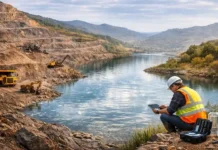
Safety has always been the primary concern in the extractive industries, and mining innovation is playing a crucial role in protecting the workforce. Smart mining technologies now include wearable devices that monitor the vital signs of workers and their proximity to heavy machinery. If a worker enters a dangerous zone or exhibits signs of heat stress, both the individual and the control center are immediately alerted. Furthermore, remote monitoring allows for the removal of personnel from high-risk areas altogether. Tele-remote drilling and mucking systems enable operators to control equipment from the safety of a surface office, often hundreds of kilometers away from the actual site. This “human-out-of-the-loop” strategy is the ultimate goal for hazardous underground environments, ensuring that the pursuit of resources does not come at the cost of human life. The use of drones for inspecting high-wall stability and deep-shaft conditions has also reduced the need for workers to physically enter unstable areas.
Cybersecurity and Data Sovereignty in the Connected Mine
As the reliance on digital mining solutions grows, the industry faces new challenges in the form of cybersecurity and data management. A smart mine is a complex network of thousands of endpoints, each a potential entry point for a cyberattack. Protecting this infrastructure requires a robust framework of encryption, network segmentation, and continuous monitoring. Mining companies are increasingly treating their operational data as a strategic asset, implementing strict protocols for data sovereignty and governance. This ensures that the insights gained from AI in mining remain proprietary and that the critical systems controlling the mine’s safety and production are resilient against external interference. The rise of edge computing is also helping in this regard, as data can be processed locally at the source, reducing the amount of sensitive information transmitted over long-distance networks.
Sustainable Growth and Environmental Stewardship
The drive for efficiency is inextricably linked to the industry’s environmental responsibilities. Smart mining technologies allow for more precise blasting and extraction, which means less waste rock is moved and processed. By focusing only on high-grade zones identified through digital mapping, companies can reduce their energy consumption and water usage. Moreover, the data-driven approach facilitates better land reclamation efforts, as the digital record of the mine’s impact allows for a more accurate restoration of the landscape post-closure. This commitment to digital excellence is not just a financial strategy; it is a prerequisite for maintaining the social license to operate in an increasingly environmentally conscious world. Energy management systems that integrate with the local power grid allow mines to shift their peak loads, utilizing renewable energy when it is most abundant and reducing the overall strain on the environment.
The long-term success of the mining sector depends on its ability to embrace these technological shifts. While the initial investment in smart infrastructure can be substantial, the return on investment is found in the longevity, safety, and profitability of the operation. As the industry continues to refine these tools, the distinction between a traditional mining company and a technology company will continue to blur, ushering in a new era of resource extraction that is as intelligent as it is essential. The future of mining will be defined by those who can successfully integrate the physical and digital realms, creating a resilient and responsive operation that can thrive in the face of global economic and environmental challenges.