












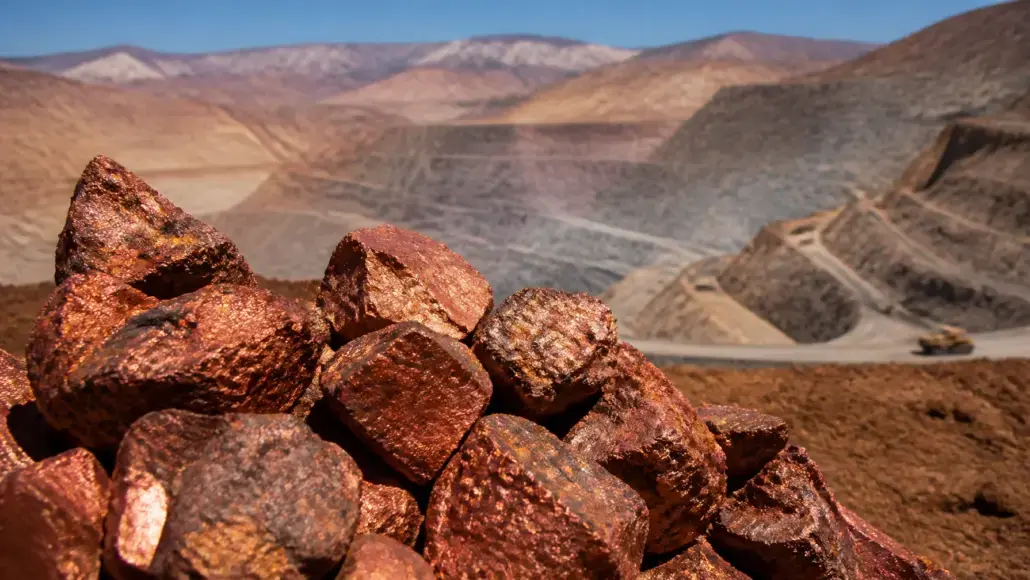

Chile’s state-owned miner Codelco reported a sharp jump in first-half 2026 earnings, with higher copper prices more than compensating for an 11% decline in Codelco copper production and rising operational costs across several of its flagship mines.
The company posted pre-tax profit of $1.97 billion for the first six months of the year, a substantial increase from just $429 million in the same period a year earlier. The improvement was driven almost entirely by favourable copper prices, which climbed to a realised average of 653.2 cents per pound, up from 461.7 cents per pound during the first half of 2025.
Yet beneath those headline earnings, Codelco’s operational picture told a more complicated story.
Production Declines Across Key Mines
Codelco copper production from its own operations fell to 564,000 metric tons in the first half, down from 634,000 tons a year earlier. That 11% drop was the result of disruptions and setbacks at several major assets.
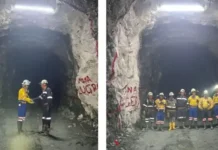
At El Teniente, one of the world’s largest underground copper mines, an accident in July led to operational restrictions that curtailed output. Development of the Andes Norte section at El Teniente was paused after the company encountered higher-than-expected seismic risks. Despite the delay, Codelco still expects production from Andes Norte to begin in 2029.
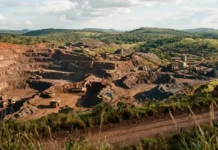
Lower output at Chuquicamata and weaker ore grades at Ministro Hales further weighed on overall production. These challenges, compounded across the portfolio, made it increasingly difficult for the company to stay on track with its previously stated 2026 production target, which Reuters has reported Codelco may struggle to achieve.
Direct cash costs rose 7% to 231.6 cents per pound, reflecting the operational difficulties and the effect of processing lower-grade material at certain operations. The combination of falling output and climbing costs underscored the scale of the challenge facing Codelco’s management, even as copper prices provided a financial cushion.
CEO Focuses on Restoring Productivity
Codelco chief executive Jorge Gomez has made restoring productivity a central priority. With copper prices buoyant but production volumes moving in the wrong direction, the emphasis on getting more out of existing operations has become urgent.
The contrast between Codelco’s financial results and its operational performance highlights a tension familiar to many large-scale Chile mining operations. Strong commodity prices can mask underlying production weaknesses, but those weaknesses eventually demand attention — particularly for a state miner that contributes directly to government revenues.
For now, the elevated copper prices have given Codelco breathing room. Whether the company can reverse the decline in Codelco copper production while managing costs at mines like El Teniente, Chuquicamata and Ministro Hales will be a defining test in the months ahead. The direct cash costs trajectory and the timeline for Andes Norte remain closely watched indicators of whether the miner can deliver on its stated objectives.