







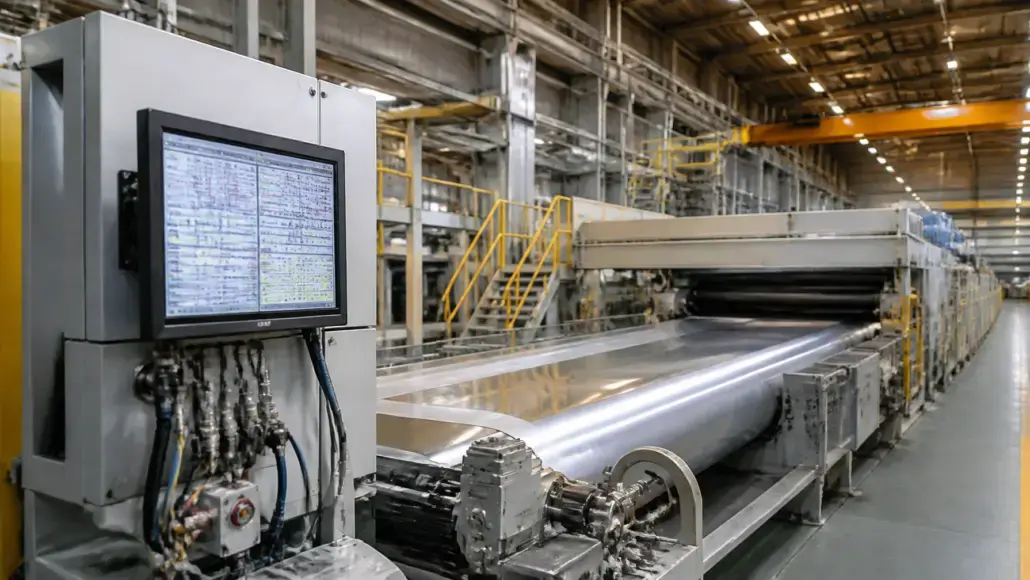

Digitalisation in aluminium production is moving beyond the basic task of displaying what is happening on the plant floor. Sensors, distributed control systems, industrial IoT platforms and production databases can provide operators with continuous information on temperatures, electrical loads, equipment conditions, material flows and process performance. The next step is using that information to identify patterns, predict deviations and determine which operating changes can improve plant performance.
The shift matters because aluminium production is highly sensitive to process conditions. In primary smelting, the Hall-Héroult process operates through tightly linked thermal, electrical and chemical variables, making stable control essential for both efficiency and output. Research published in Engineering Applications of Artificial Intelligence describes manual decision-making in aluminium electrolysis as challenging because of complex mechanisms and changing operating conditions. The study developed a data- and knowledge-driven decision-support system combining prediction, multi-objective optimisation and knowledge-guided decisions to improve operational control.
This illustrates the changing role of aluminium plant digitalisation. Monitoring can identify that a process variable has moved outside its normal range. More advanced systems can determine why that change is occurring, estimate what may happen next and evaluate possible responses.
Energy Performance is Strengthening the Case for Digital Optimisation
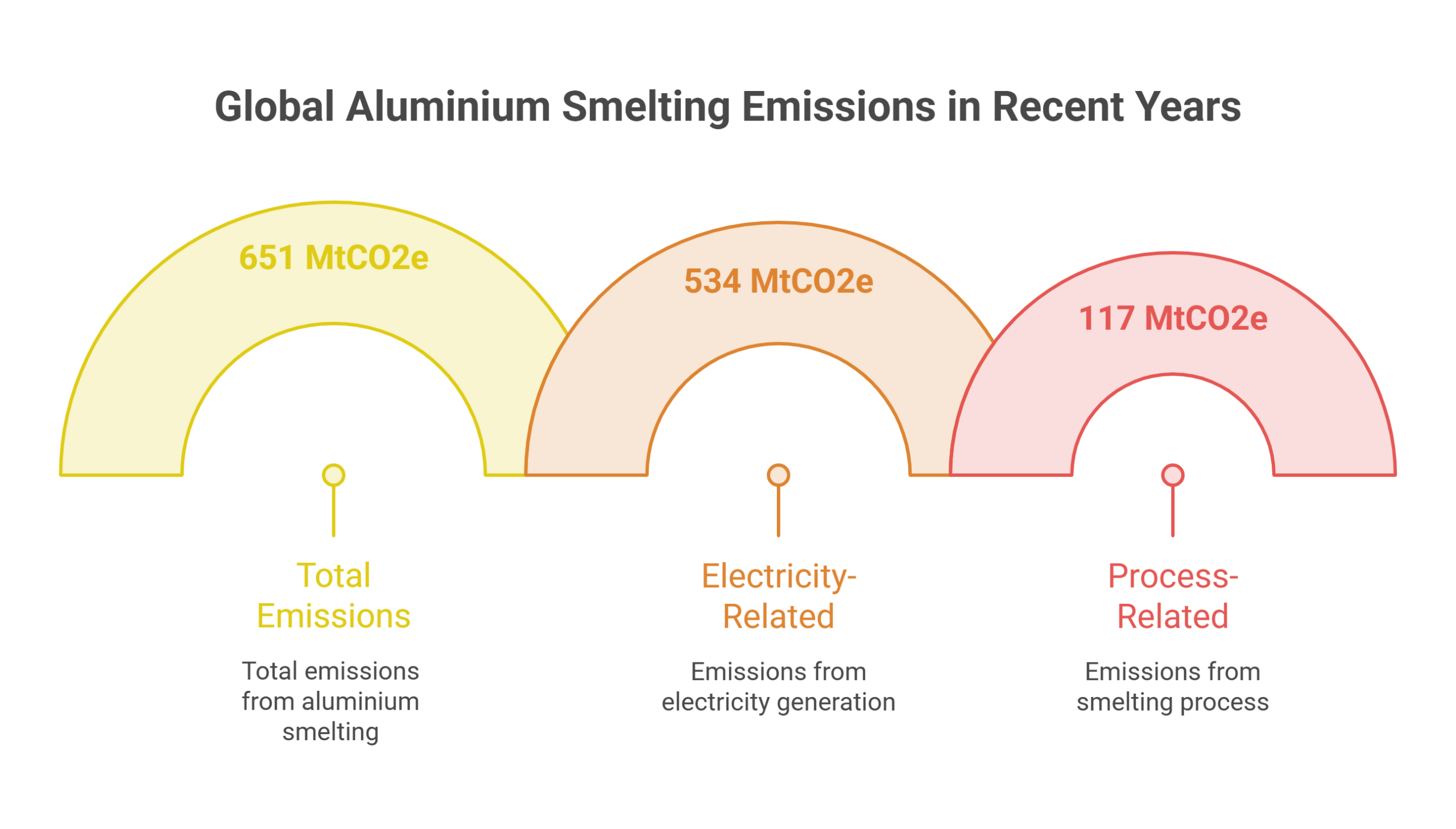
Energy provides one of the clearest reasons for this progression. Primary aluminium smelting is extremely electricity-intensive, and the scale of its energy requirements makes relatively small efficiency improvements commercially significant. A study published in Nature Climate Change estimated that global primary aluminium smelting produced 651 million tonnes of CO₂-equivalent emissions in 2021, with 82% associated with electricity-related emissions and 18% with process emissions.
That profile creates a strong incentive to connect production data with energy data. Instead of simply tracking total electricity consumption, digital systems can increasingly examine how consumption changes with operating conditions, equipment performance and production parameters.
The opportunity is particularly relevant in electrolysis. Earlier process-control improvements had already reduced energy consumption materially over time, but the 2024 research argues that increasingly refined production requirements require more advanced data-driven decision-making. Its optimisation framework considers both process conditions and operating cost, illustrating how the objective is shifting from maintaining stable conditions toward finding better ones.
Prediction is Creating a Bridge Towards Optimisation
The same progression is emerging in downstream aluminium processing. A 2026 study on aluminium-alloy die forging developed a digital twin combined with a machine-learning model to predict critical dimensions during production. The model achieved R² values of 96.13% and 97.47% for two key dimensions and enabled automatic alerts when predicted measurements moved outside acceptable tolerances. The researchers describe this as a shift from post-process inspection toward in-process prediction.
This is an important change in how plant data is used. Traditional monitoring tells operators what has already happened. Predictive systems can provide an indication of what is likely to happen, giving production teams more time to intervene before quality losses, downtime or inefficiencies materialise.
That progression is making aluminium plant digitalisation less about installing more sensors and more about extracting operational value from the information those systems generate. The emphasis is moving toward connecting process data, production objectives and decision-making in a way that can improve efficiency without compromising output or product quality.