



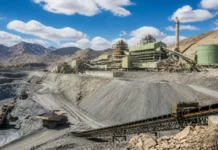
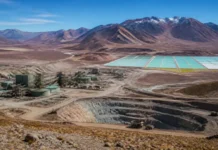
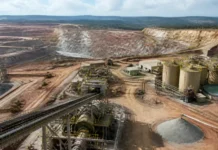





The copper industry is currently operating in an environment characterized by increasing energy prices, stricter environmental regulations, and the need to process more complex, lower-grade ores. In this context, the smelting stage the thermal process used to separate copper from sulfur and other impurities has become a primary focus for cost optimization mining. Traditionally, smelting has been one of the most energy-intensive and carbon-heavy phases of the entire copper production chain. However, the emergence of energy efficient smelting technologies is fundamentally changing the economic landscape of the sector. By integrating advanced furnace technology with sophisticated process controls, mining companies are achieving significant reductions in energy consumption, leading to a more sustainable and profitable production model.
The Evolution of Flash Smelting and Continuous Converting
The move toward energy efficient smelting began with the transition from traditional reverberatory furnaces to modern flash smelting technologies. Flash smelting, pioneered by companies like Outokumpu (now Metso), utilizes the energy released by the oxidation of the iron and sulfur in the copper concentrate to provide a significant portion of the heat required for the process. This “autogenous” or semi-autogenous operation drastically reduces the need for external fuel, such as natural gas or coal. Recent advancements in this field have focused on improving the burner design and oxygen enrichment levels to further maximize the heat recovery and the speed of the metallurgical processes.
Complementing flash smelting is the rise of continuous converting technologies. In the traditional Peirce-Smith batch process, molten copper matte is transferred between vessels, resulting in significant heat loss and the escape of sulfur dioxide gases. Continuous converting systems, such as the Mitsubishi process or the Isoconvert process, keep the material in a single, enclosed system throughout the entire conversion stage. This innovation in furnace technology maintains higher temperatures and allows for a much more efficient capture of heat and gases. For the mining industry, the combination of flash smelting and continuous converting represents a major leap in energy efficiency mining, significantly lowering the per-ton cost of copper production.
Optimizing Metallurgical Processes Through Oxygen Enrichment
One of the most effective strategies for energy efficient smelting is the use of high-purity oxygen instead of ambient air. By increasing the oxygen concentration in the furnace, smelters can achieve a much higher temperature and a faster reaction rate with a lower volume of gas. This not only improves the throughput of the furnace but also reduces the energy required to heat the inert nitrogen that makes up seventy-eight percent of regular air. The reduction in total gas volume also means that the downstream gas cleaning and sulfuric acid plants can be smaller and more energy-efficient.
The integration of sophisticated metallurgical processes and oxygen enrichment requires precise control to avoid damaging the furnace refractories. Modern smelters use advanced sensors and real-time data analytics to monitor the temperature and chemical composition of the melt, adjusting the oxygen and feed rates instantaneously. This level of cost optimization mining ensures that the furnace always operates at its peak efficiency, maximizing the recovery of copper and precious metals while minimizing the consumption of energy and fluxing agents. The transition to high-intensity, oxygen-enriched smelting is a cornerstone of the modern, high-performance copper smelting operation.
Heat Recovery and Waste Energy Utilization
A critical component of energy efficient smelting is the ability to capture and reuse the massive amount of waste heat generated during the process. Traditional smelters often allowed this heat to escape into the atmosphere, but modern facilities are equipped with advanced waste heat boilers. These systems capture the thermal energy from the furnace off-gases and use it to generate high-pressure steam, which can then be used to power steam turbines for electricity generation or provide process heat for other stages of the refinery. In some cases, a modern copper smelter can generate a significant portion of its own electricity, drastically reducing its reliance on the external grid.
Beyond steam generation, innovative metallurgical processes are being developed to recover heat from the molten slag the waste material produced during smelting. Slag is typically tapped at temperatures exceeding 1,200 degrees Celsius, representing a significant loss of energy. New technologies, such as dry slag atomization, are being explored to recover this thermal energy while simultaneously producing a useful byproduct for the construction industry. These advancements in energy efficiency mining are turning “waste” into a valuable resource, further driving down the overall copper production costs and improving the environmental footprint of the operation.
Advanced Furnace Technology and Refractory Longevity
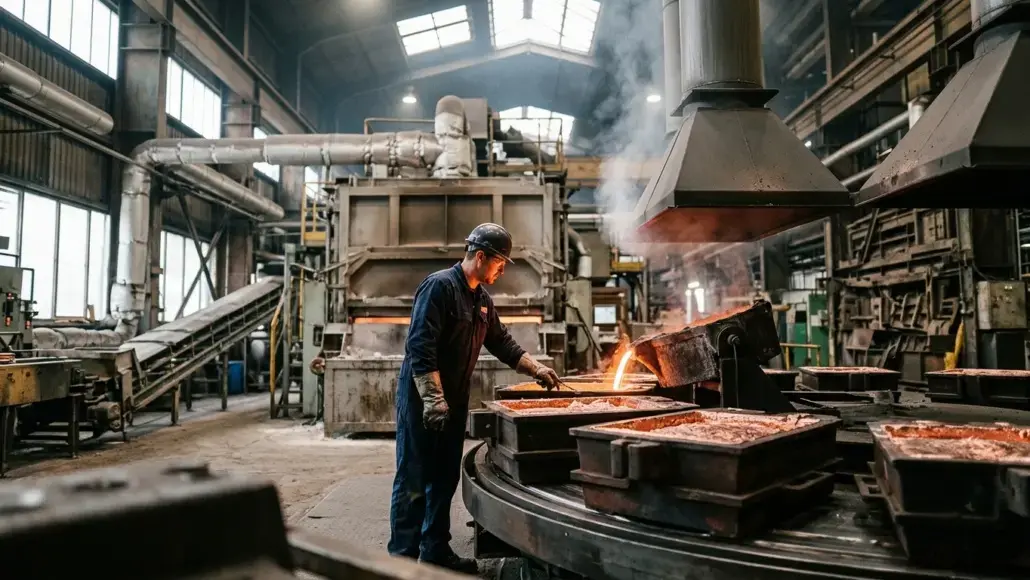
The durability and performance of the furnace itself are essential for maintaining energy efficient smelting. The interior of a copper smelter is one of the most hostile industrial environments on earth, characterized by extreme temperatures and corrosive chemical reactions. Recent innovations in furnace technology have introduced new refractory materials and sophisticated cooling systems that can withstand these conditions for much longer periods. By extending the life of the furnace lining, mining companies can reduce the frequency of costly shutdowns and maintenance cycles.
Modern furnaces often utilize “copper cooling elements” water-cooled plates embedded within the refractory walls that create a protective layer of solidified slag on the inner surface. This “freeze lining” acts as a natural barrier, protecting the furnace structure and significantly reducing the rate of wear. The ability to maintain a stable and efficient furnace over many years is a key factor in cost optimization mining, as it ensures a consistent production rate and avoids the massive energy spikes associated with reheating a furnace after a maintenance shutdown. These structural copper smelting innovations are as important as the chemical breakthroughs in achieving long-term energy efficiency.
Digital Transformation and AI in Smelting Operations
The integration of digital technology and artificial intelligence (AI) is the latest frontier in energy efficient smelting. Modern smelters are now “connected” environments, where thousands of sensors provide a continuous stream of data to a central control room. AI algorithms can analyze this data to identify subtle patterns and inefficiencies that are invisible to the human eye. For example, machine learning models can predict the optimal furnace set-points based on the specific mineralogy of the incoming concentrate, which can vary from shipment to shipment.
This real-time optimization allows the smelter to adapt to changing conditions instantaneously, maintaining the ideal balance between production speed and energy consumption. Furthermore, digital twins of the smelting furnace allow engineers to run simulations and “what-if” scenarios to test new metallurgical processes without any risk to the actual operation. This digital transformation is a powerful tool for cost optimization mining, as it enables a level of precision and agility that was historically impossible. As AI continues to evolve, the “autonomous smelter” one that can sense, think, and optimize itself is becoming a technical reality.
Environmental Benefits and the Drive for Low-Emission Smelting
While the primary driver for energy efficient smelting is often economic, the environmental benefits are equally significant. Reducing energy consumption directly leads to a reduction in carbon dioxide emissions, helping mining companies to meet their climate goals and avoid the costs of carbon taxes. Furthermore, the high-efficiency gas cleaning systems associated with modern smelting technologies allow for the capture of over 99% of sulfur dioxide emissions, which are then converted into valuable sulfuric acid.
This shift toward low-emission smelting is a key part of the industry’s social license to operate. Communities and regulators are increasingly demanding that industrial processes minimize their impact on the environment and public health. By investing in energy efficient smelting and advanced furnace technology, copper producers are demonstrating that heavy industry can be both profitable and responsible. The ability to produce “green copper” metal with a verified low-carbon and low-emission footprint is becoming a major competitive advantage in the global market, particularly as automotive and technology companies seek to decarbonize their own supply chains.
The Future of Copper Smelting: Towards Zero-Carbon
As we look toward the future, the goal for the industry is to move from energy efficient smelting toward truly zero-carbon smelting. This will likely involve the complete replacement of fossil fuels with green hydrogen or the full electrification of the smelting process. Several major copper producers are already conducting pilot projects to test hydrogen as a reducing agent in the furnace, which would produce water vapor instead of carbon dioxide. Furthermore, advancements in plasma technology and high-temperature electrolysis could one day eliminate the need for traditional combustion altogether.
While these technologies are still in the early stages of development, the path is clear. The relentless focus on cost optimization mining and energy efficiency is driving a rapid evolution of metallurgical processes and furnace technology. The copper smelter of the future will be a highly integrated, digitally optimized, and carbon-neutral facility that plays a vital role in the circular economy. By continuously innovating and embracing new energy efficient smelting solutions, the copper industry is securing its place in a sustainable, low-carbon world.