












The global movement toward total electrification is perhaps the most significant industrial shift since the dawn of the fossil fuel era. As nations strive to meet ambitious “Net Zero” targets, the reliance on copper as the primary conductor of the modern world has never been more evident. However, the next phase of this transition is moving beyond simple wiring and into the realm of highly specialized, high-performance future copper applications. From the complex power electronics of electric vehicles to the massive, ultra-conductive cables needed for offshore wind farms and continental-scale smart grids, copper is the indispensable material at the heart of the green energy revolution. This surge in innovation is not only driving future mining demand but is also fundamentally changing how we use conductive metals to manage and transport energy in an increasingly electrified society.
Revolutionizing Electric Mobility Through Advanced Copper Systems
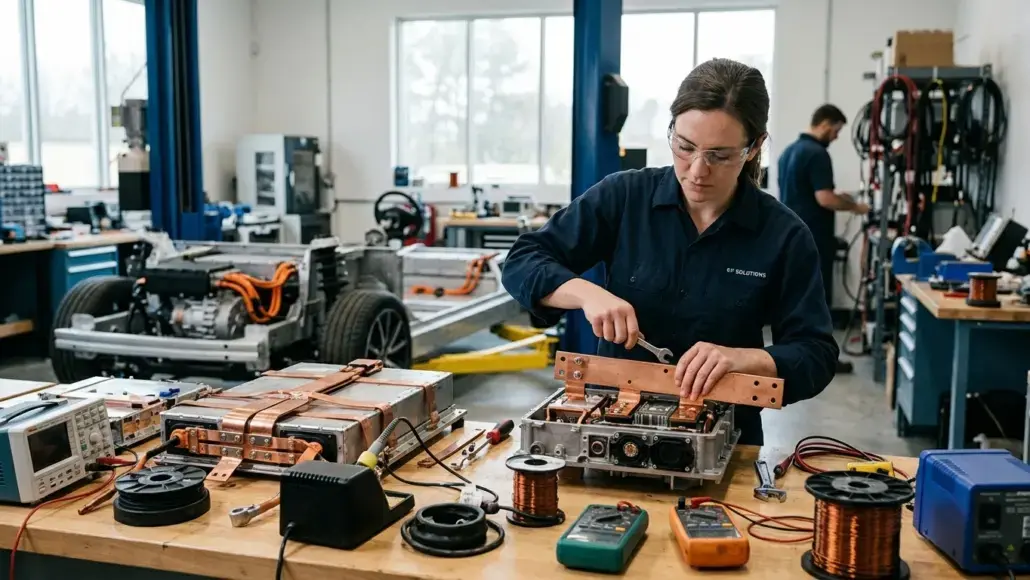
The automotive industry is currently the most high-profile driver of new electrification metals. While a standard internal combustion engine car uses about twenty kilograms of copper, a battery-electric vehicle (BEV) can use over eighty kilograms. However, the future copper applications in this sector are not just about volume; they are about sophistication. High-performance electric motors, for example, are utilizing “hairpin” winding technology, where square copper bars are used instead of traditional round wire. This design increases the amount of copper in the motor’s stator, improving efficiency and power density while reducing heat generation. These EV materials are essential for extending the range and performance of the next generation of electric cars.
Beyond the motor, the vehicle’s battery and power electronics are also undergoing a copper-led transformation. Copper foils are the standard anode current collectors in lithium-ion batteries, and as energy densities increase, the demand for thinner, high-strength foils is growing. Furthermore, the high-voltage busbars that connect the battery to the inverter and motor are being redesigned with advanced copper alloys to handle higher currents without overheating. As the industry moves toward 800-volt architectures and ultra-fast charging, the role of these conductive metals becomes even more critical. These future copper applications are the silent enablers of the mass-market EV revolution, making electric transport more reliable, efficient, and accessible.
Renewable Energy Grids and the Challenge of Transmission
The shift toward renewable energy is creating a massive and permanent demand for renewable energy copper. Solar and wind power are inherently decentralized, with the most productive areas often located far from the cities they serve. This necessitates the construction of an entirely new generation of high-voltage direct current (HVDC) transmission lines. These lines, which can stretch for thousands of kilometers, rely on massive copper cables to transport electricity with minimal loss. The future copper applications in the power sector include the development of superconducting-like copper-based materials that can handle higher power loads at lower temperatures, reducing the “line loss” that currently plagues long-distance transmission.
At the source, wind turbines are becoming larger and more copper-intensive. A single three-megawatt turbine can contain several tons of copper in its generator, transformer, and internal cabling. As the industry moves toward massive ten to fifteen-megawatt offshore turbines, the amount of copper required per unit is set to skyrocket. Furthermore, the undersea cables that connect offshore wind farms to the mainland are among the most complex and copper-heavy power grid materials in existence. These future mining demand drivers are reshaping the copper market, as the energy sector competes with the automotive industry for a limited supply of high-grade metal. The expansion of the renewable energy grid is, quite literally, built on a foundation of copper.
Smart Infrastructure and the Internet of Things
The concept of “smart infrastructure” is another major frontier for future copper applications. In a smart city, buildings, transportation systems, and utility networks are interconnected through a dense web of sensors and communication modules. While the data may move wirelessly or through fiber optics, the power and local signal transmission for these devices still rely on copper. Electrification growth in this sector is driven by the need for “smart wiring” that can handle both power and data (Power over Ethernet), as well as the build-out of 5G telecommunications networks. 5G infrastructure is much more copper-intensive than previous generations, requiring a far higher density of small-cell towers and high-performance base stations.
Inside the modern “smart building,” copper is used in everything from advanced HVAC systems and LED lighting to building management systems that optimize energy use. These future copper applications are focused on increasing the efficiency and responsiveness of our urban environments. For instance, smart transformers and “solid-state” circuit breakers utilize copper-based power electronics to manage the grid with millisecond-precision, allowing for the seamless integration of volatile renewable energy and EV charging. As we build the cities of the future, the demand for conductive metals will be driven by the need for materials that can support a highly digital, highly electrified way of life.
Meeting the Surge in Future Mining Demand
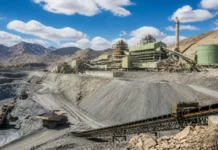
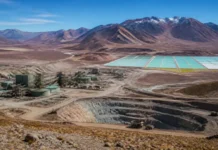
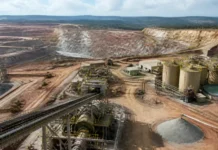
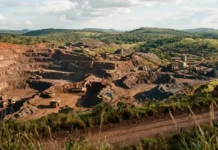
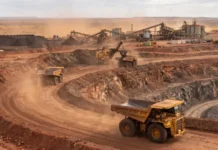
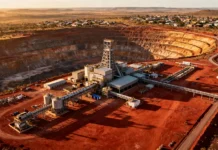
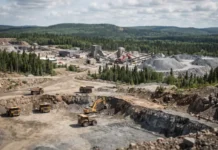
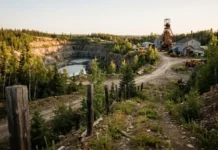
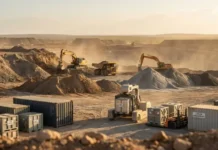
The unprecedented demand for electrification metals is placing immense pressure on the global mining industry. Meeting this future mining demand requires more than just digging more ore; it requires a fundamental shift in exploration and production strategies. Many of the world’s most accessible copper deposits are already in production or exhausted, forcing the industry to look toward deeper, lower-grade, and more remote locations. This challenge is driving the adoption of “smart mining” technologies, where AI and automation are used to optimize the extraction process and minimize the environmental impact.
The strategic importance of copper has also led to a resurgence of investment in mining projects across stable jurisdictions. Governments are increasingly classifying copper as a “critical mineral,” providing incentives for the development of new mines and the expansion of existing ones. However, the time required to bring a new copper mine to full production can be over a decade, creating a potential “supply-demand gap” that could slow the pace of global electrification. To bridge this gap, the industry is focusing on “brownfield” expansions and the recovery of copper from mine waste, as well as the critical role of recycling. The future of mining is inextricably linked to the success of the green energy transition, making copper the most important of all the electrification metals.
The Role of Copper Recycling in a Circular Economy
As we look toward the future, the role of copper recycling in meeting the demand for electrification metals cannot be overstated. Copper is 100% recyclable, and its reuse is a key component of a sustainable circular economy. Secondary copper production requires up to 85% less energy than primary mining, making it an essential tool for reducing the carbon footprint of the green energy transition. Future copper applications are being designed with “end-of-life” in mind, ensuring that the copper in EV batteries and wind turbines can be easily recovered and reused in the next generation of products.
Innovative recycling technologies are being developed to recover copper from complex electronic waste and high-tech alloys. For example, “urban mining” initiatives are becoming more sophisticated, using automated sorting and advanced metallurgy to capture copper from discarded smartphones, computers, and industrial machinery. As the global stock of copper in use continues to grow, the importance of this “circular supply” will only increase. By treating copper as a permanent and valuable asset, we can ensure that the electrification growth of the future is supported by a resource-efficient and sustainable supply chain.
Innovation in Conductive Metals and Alloys
The final frontier of future copper applications is the development of entirely new copper-based materials. Materials scientists are exploring “copper-carbon” composites, such as copper infused with carbon nanotubes or graphene. these “nano-composites” have the potential to exhibit electrical conductivity that exceeds that of pure copper while offering significantly higher strength and lower weight. These advanced conductive metals could revolutionize the aerospace and automotive industries, where weight reduction is a primary goal.
Furthermore, the development of specialized copper alloys for high-temperature and high-power applications is a major focus of current research. These alloys are designed to maintain their performance under the extreme conditions found in fusion reactors, high-speed rail motors, and the next generation of power electronics. As we push the limits of what is possible with electrification, the need for these high-performance materials will drive a continuous cycle of innovation in the copper sector. The future of copper is not just as a commodity, but as a high-tech engineering material that will define the technological landscape of the twenty-first century.