
















In the world of material science and industrial engineering, the battle against wear, corrosion, and environmental degradation is constant. Copper, known for its exceptional conductivity and natural antimicrobial properties, is now taking a leading role in this struggle through the advancement of copper surface technologies. These innovations are not about using copper as a structural bulk material, but rather as a highly specialized surface layer that can transform the performance and longevity of other materials. By applying advanced copper coatings and utilizing sophisticated surface engineering techniques, industries can significantly enhance the durability of components operating in some of the most challenging environments on Earth, from deep-sea oil rigs and marine infrastructure to high-performance aerospace systems and industrial chemical plants.
The Science of Advanced Copper Coatings and Surface Engineering
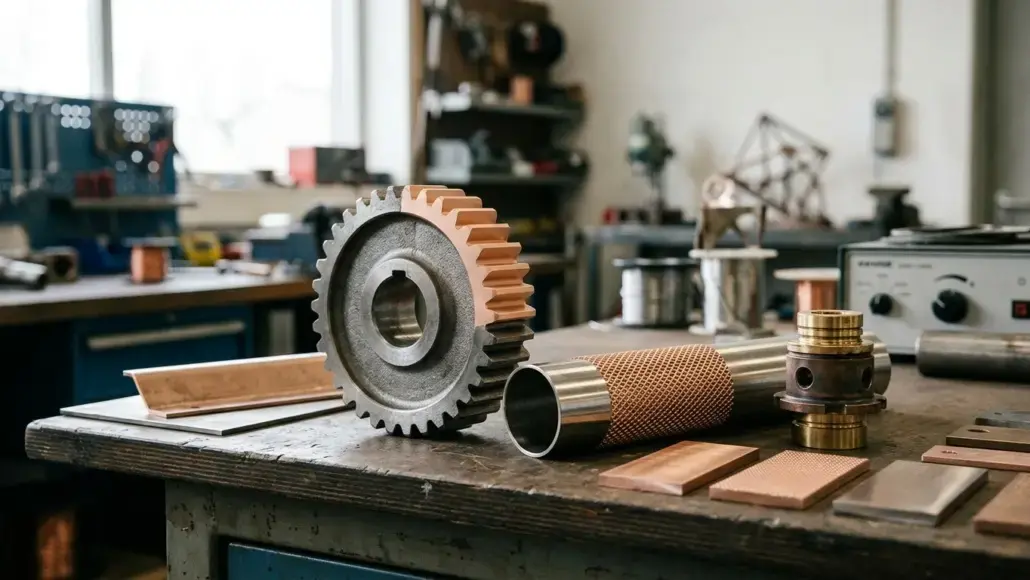
The field of copper surface technologies has evolved far beyond traditional electroplating. Modern surface engineering utilizes a variety of high-tech methods to apply thin, high-performance copper layers to a wide range of substrates, including steel, aluminum, and even plastics. These methods include thermal spraying, physical vapor deposition (PVD), and laser cladding. Each of these techniques allows for the creation of a dense, well-bonded copper layer that provides a powerful barrier against environmental attack. The goal is to provide the surface with the beneficial properties of copper such as its natural corrosion resistance and thermal conductivity while maintaining the structural strength and lower cost of the underlying material.
One of the most significant breakthroughs in this field is the development of “nano-structured” copper coatings. By controlling the grain size of the copper at the nanometer scale, engineers can create surfaces that are much harder and more wear-resistant than conventional copper. These advanced coatings are particularly valuable for industrial components that are subject to constant friction and mechanical stress. Furthermore, the use of copper-based composites, where particles of hard ceramics or dry lubricants are embedded within the copper matrix, allows for the creation of “self-lubricating” or ultra-durable surfaces. These copper surface technologies are redefining the standards for material durability in the heavy industry sector.
Enhancing Corrosion Resistance in Harsh Environments
Corrosion is the single greatest threat to the integrity of industrial infrastructure, costing the global economy trillions of dollars every year. Copper surface technologies offer a unique and highly effective solution to this problem, particularly in marine and saltwater environments. Copper and its alloys have a natural ability to form a protective “patina” when exposed to the elements, which acts as a stable barrier against further oxidation. In the offshore oil and gas industry, for example, advanced copper coatings are used to protect subsea equipment and structural components from the relentless corrosive power of the ocean.
Beyond simple oxidation, copper is also an exceptional “anti-fouling” material. In marine environments, the growth of barnacles, algae, and other organisms on submerged structures can cause significant drag and accelerate corrosion. Copper surface technologies utilize the metal’s natural toxicity to these organisms to create surfaces that remain clean and smooth over long periods. This not only extends the material life of the infrastructure but also improves the fuel efficiency of ships and the performance of marine power systems. The move toward “long-life” marine infrastructure is heavily dependent on these specialized metal protection strategies, making copper a cornerstone of modern coastal and offshore engineering.
Thermal Management and Industrial Material Durability
While corrosion resistance is often the primary goal, copper surface technologies also play a vital role in thermal management. Copper’s unmatched thermal conductivity makes it the ideal material for surfaces that must rapidly dissipate heat. In the electronics and power industries, high-performance copper coatings are applied to heat sinks and electrical components to prevent overheating and ensure stable performance. By efficiently moving heat away from sensitive areas, these coatings significantly extend the material life of the entire system.
In the automotive and aerospace sectors, surface engineering is used to apply copper-based thermal barrier coatings to engine components and exhaust systems. These coatings help to manage the extreme temperatures found in modern high-efficiency engines, preventing thermal fatigue and structural failure. The ability to maintain a consistent temperature profile across a component is essential for its long-term durability. These industrial coatings are a key part of the push for more reliable and efficient transport systems, showing that copper’s value extends far beyond its electrical properties. As we develop more powerful and compact industrial systems, the role of copper surface technologies in thermal management will only become more critical.
Innovation in Metal Protection and Material Science
The development of copper surface technologies is a highly collaborative effort between material scientists, chemists, and mechanical engineers. This interdisciplinary approach has led to the creation of “smart coatings” that can sense and respond to their environment. For example, some advanced copper coatings are designed to release corrosion inhibitors only when the surface is damaged or when specific chemical triggers are present. This “self-healing” capability represents the next frontier in metal protection, potentially extending the material life of critical infrastructure by decades.
Furthermore, the rise of additive manufacturing (3D printing) is opening up new possibilities for copper surface technologies. It is now possible to “print” complex components with integrated copper surface layers, or to use laser-cladding techniques to repair and resurface worn-out industrial parts with high-performance copper alloys. This “remanufacturing” approach not only extends the life of valuable assets but also contributes to a more sustainable and circular industrial economy. By treating the surface as a dynamic and engineerable system, the industry is moving toward a future where material failure is no longer an inevitable cost of doing business.
The Role of Copper in Public Infrastructure and Hygiene
A rapidly growing area for copper surface technologies is in the field of public health and hygiene. Copper’s natural antimicrobial properties mean that it can kill 99.9% of bacteria and viruses on its surface within a few hours. This has led to the development of antimicrobial copper coatings for high-touch surfaces in hospitals, schools, and public transportation systems. While this may seem different from heavy industrial applications, the goal is the same: to create a surface that remains functional and effective over its entire material life with minimal maintenance.
The application of these coatings to door handles, bed rails, and handrails is an effective tool for infection control, reducing the spread of hospital-acquired infections and public health crises. These copper surface technologies are being refined to ensure they are durable enough to withstand constant cleaning and heavy use while maintaining their antimicrobial efficacy. As we become more aware of the importance of hygienic surfaces in our public infrastructure, the demand for these specialized coatings is set to expand globally, creating a new and vital market for advanced copper-based materials.
Future Outlook: Sustainable and High-Performance Surfaces
Looking toward the future, the focus of copper surface technologies will be on improving the sustainability and efficiency of the application processes. Traditional plating and coating methods can be resource-intensive and produce hazardous waste. The next generation of surface engineering is focused on “green” techniques, such as cold-spray deposition and environmentally friendly PVD, which use less energy and fewer chemicals. These advancements are essential for aligning the metal protection industry with global sustainability goals.
The future of copper surface technologies also lies in the realm of nano-engineering. We are seeing the development of “super-hydrophobic” copper surfaces that repel water and prevent the accumulation of ice and contaminants. These surfaces could have a transformative impact on everything from aircraft wings and power lines to industrial cooling towers. By manipulating the surface at the atomic level, we can create materials with properties that were once considered impossible. Copper, with its unique combination of physical and chemical attributes, will remain the primary platform for these high-performance surface innovations, ensuring that the critical materials of the future can withstand the test of time.