



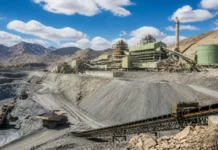
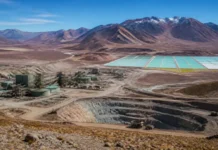
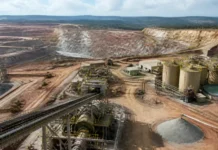







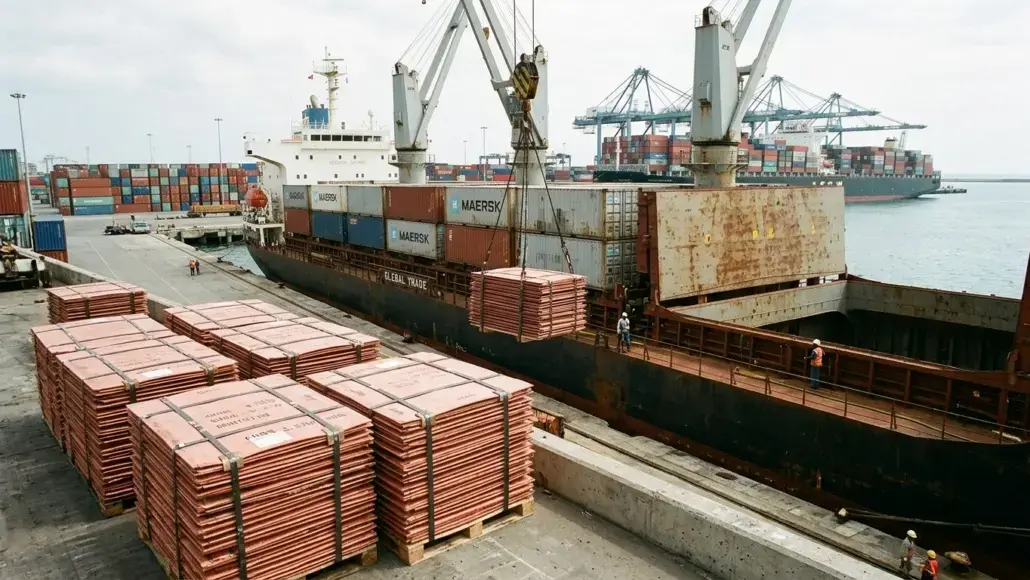

The international copper market is currently experiencing a period of structural realignment that is unprecedented in the modern industrial era. Historically, the flow of copper was relatively predictable, moving from large-scale primary producers in South America and Africa to established manufacturing hubs in Europe, North America, and increasingly, China. However, recent global copper trade trends are shattering these traditional pathways. A combination of aggressive decarbonization goals, heightened geopolitical sensitivities, and the emergence of new refining centers is forcing a comprehensive redesign of the mining supply chain. As nations compete to secure the “red metal” essential for their energy transition, the economics of copper trade are shifting from a pure commodity-price model to one defined by strategic security, environmental transparency, and regional resilience.
Geopolitical Realignments and the Search for Supply Security
In the current global metal markets, copper has transitioned from being a simple industrial commodity to a critical strategic asset. This shift is a primary driver of the copper trade trends we see today. Governments across the world are increasingly viewing their copper supply chains through the lens of national security, leading to a wave of “friend-shoring” and “near-shoring” initiatives. The United States, the European Union, and several major Asian economies are actively seeking to reduce their dependence on single-source suppliers and are incentivizing the development of trade agreements with politically aligned partners. This is not just about where the copper is mined, but where it is processed and refined, as nations aim to build integrated domestic or regional value chains that are shielded from global geopolitical shocks.
The impact of these realignments on mining economics is profound. We are seeing a move away from the “just-in-time” supply chain model toward a “just-in-case” philosophy. This involves building larger strategic stockpiles and entering into long-term offtake agreements that prioritize stability over the lowest possible spot price. These commodity trends are also leading to a diversification of copper exports. For instance, while Chile and Peru remain the dominant global producers, we are seeing significant growth in exports from countries like the Democratic Republic of Congo and Indonesia. As these new players enter the market, the global copper trade is becoming more fragmented and complex, requiring sophisticated logistics and risk-management strategies to navigate the evolving landscape.
The Influence of the Green Energy Transition on Trade Flows
The global push for electrification is the single most important factor driving future copper trade trends. The transition to renewable energy and the mass adoption of electric vehicles require massive amounts of copper for power grids, wind turbines, and battery systems. This surge in demand is creating a permanent structural deficit in the market, which in turn is reshaping how copper is traded. We are seeing the rise of “green copper” as a distinct market category, where metal produced with low carbon emissions and high ESG standards commands a premium. This trend is forcing mining supply chain participants to provide detailed traceability and carbon-footprint data, as end-manufacturers in the automotive and tech sectors seek to meet their own sustainability targets.
Moreover, the geographic location of green energy infrastructure is creating new demand centers. The massive investment in offshore wind in the North Sea, the expansion of solar capacity in the Saharan regions, and the build-out of EV charging networks across China and North America are all drawing copper toward new destinations. This shift in demand patterns is forcing a reconfiguration of global shipping routes and warehouse locations. The copper trade is no longer just about feeding a few massive industrial cities; it is about supporting a decentralized global network of renewable energy and electric mobility. This decentralization is making the global metal markets more dynamic and responsive to regional policy shifts and infrastructure investments.
Regional Production Changes and the Rise of New Refining Hubs
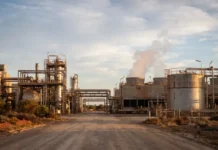
A critical component of the current copper trade trends is the shifting balance between the trade of copper concentrate (the raw material from the mine) and refined copper cathode. Historically, a large portion of the world’s concentrate was shipped to China for smelting and refining. However, many resource-rich nations are now implementing policies to encourage domestic value-addition. Countries like Indonesia and various African nations are investing heavily in their own smelting capacity, aiming to export high-value refined metal rather than raw ore. This shift is fundamentally changing the mining supply chain, as it reduces the volume of bulk concentrate shipping and increases the trade of finished metal products.
This move toward regional refining hubs is also a response to the rising costs and environmental concerns associated with long-distance bulk shipping. By processing the copper closer to the mine, companies can reduce their overall carbon footprint and logistics costs. This trend is particularly evident in the growth of integrated mining and smelting complexes in Southeast Asia and the Copperbelt region of Africa. For the global metal markets, this means a more diversified supply of refined copper and a potential reduction in the historical dominance of traditional refining centers. These regional production changes are a key element of the broader commodity trends that are making the copper trade more resilient to global disruptions.
Mining Economics and the Evolution of Pricing Mechanisms
As the copper trade becomes more complex and strategically sensitive, the traditional pricing mechanisms are also evolving. While the London Metal Exchange (LME) and the Shanghai Futures Exchange (SHFE) remain the primary benchmarks, we are seeing the emergence of more nuanced pricing models. These include regional premiums that reflect local supply-demand balances and “sustainability premiums” for copper that meets specific environmental and social criteria. The mining economics of today are increasingly factoring in the “total cost of ownership,” which includes the costs of logistics, carbon taxes, and the risk of supply disruption.
This evolution is leading to a more sophisticated use of financial instruments in the copper trade. Mining companies and end-users are utilizing complex hedging strategies to manage price volatility and ensure long-term profitability. Furthermore, the rise of digital trade platforms and blockchain technology is providing greater transparency and efficiency in the mining supply chain. These tools allow for real-time tracking of shipments and automated verification of quality and sustainability credentials, reducing the administrative burden and the risk of fraud in the global metal markets. The integration of technology into copper trade trends is a critical step toward creating a more efficient and accountable global market.
The Impact of Trade Policies and Tariffs
Government intervention in the form of trade policies and tariffs is another major force reshaping copper trade trends. In an effort to secure their own supplies and protect domestic industries, many nations are implementing export taxes on raw materials or import duties on refined products. These policies can create significant distortions in the global metal markets, leading to sudden shifts in trade flows and price spikes. For example, trade tensions between major economies have historically led to the rerouting of copper shipments and the emergence of new trade partnerships that bypass traditional routes.
These policy-driven changes are forcing mining companies to become more agile in their marketing strategies. They must be prepared to pivot their copper exports to new markets in response to changing regulatory environments. This agility is a key competitive advantage in the modern mining supply chain. Furthermore, the growth of regional trade blocs, such as the African Continental Free Trade Area (AfCFTA), is creating new opportunities for intra-regional copper trade, reducing the reliance on external markets and supporting local industrial development. These political commodity trends are a constant reminder that the copper trade is as much about diplomacy and policy as it is about geology and engineering.
Future Outlook: A More Integrated and Resilient Supply Chain
Looking toward the future, the copper trade trends point toward a more integrated, transparent, and resilient global market. The dual pressures of the green energy transition and geopolitical security will continue to drive the redesign of the mining supply chain. We can expect to see a further decentralization of refining capacity and a greater emphasis on regional self-sufficiency. The role of recycling and the circular economy will also become increasingly important, as secondary copper production provides a more localized and lower-carbon source of metal to complement primary mining.
The global metal markets of tomorrow will be defined by a closer collaboration between miners, traders, and end-users. This partnership will be essential for ensuring a stable and sustainable supply of the copper needed to power a modern, electrified society. As we navigate the complexities of shifting demand patterns and evolving international market dynamics, the copper trade will remain a vital barometer of global economic health and a key driver of industrial innovation. The “red metal” will continue to be at the heart of the global economy, moving through a supply chain that is smarter, greener, and more secure than ever before.