








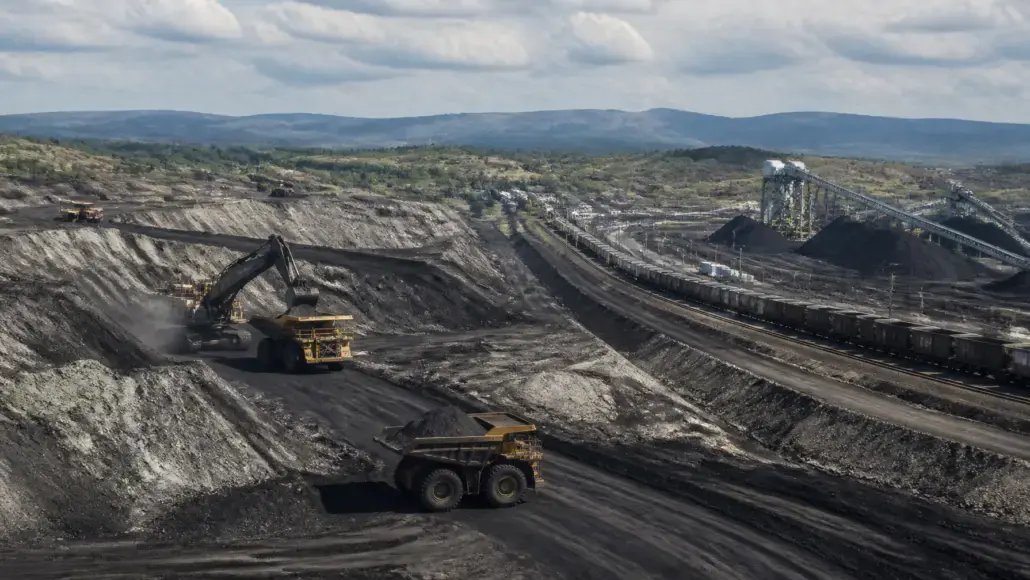

Coal remains one of the world’s largest sources of energy, but the market around it is changing. Global coal demand reached about 8.85 billion tonnes in 2025, only slightly above the previous year, while the International Energy Agency expects demand to move into a broad plateau rather than return to the rapid growth seen in earlier periods. At the same time, coal production remains at an enormous scale, creating a very different environment for companies planning new mines.
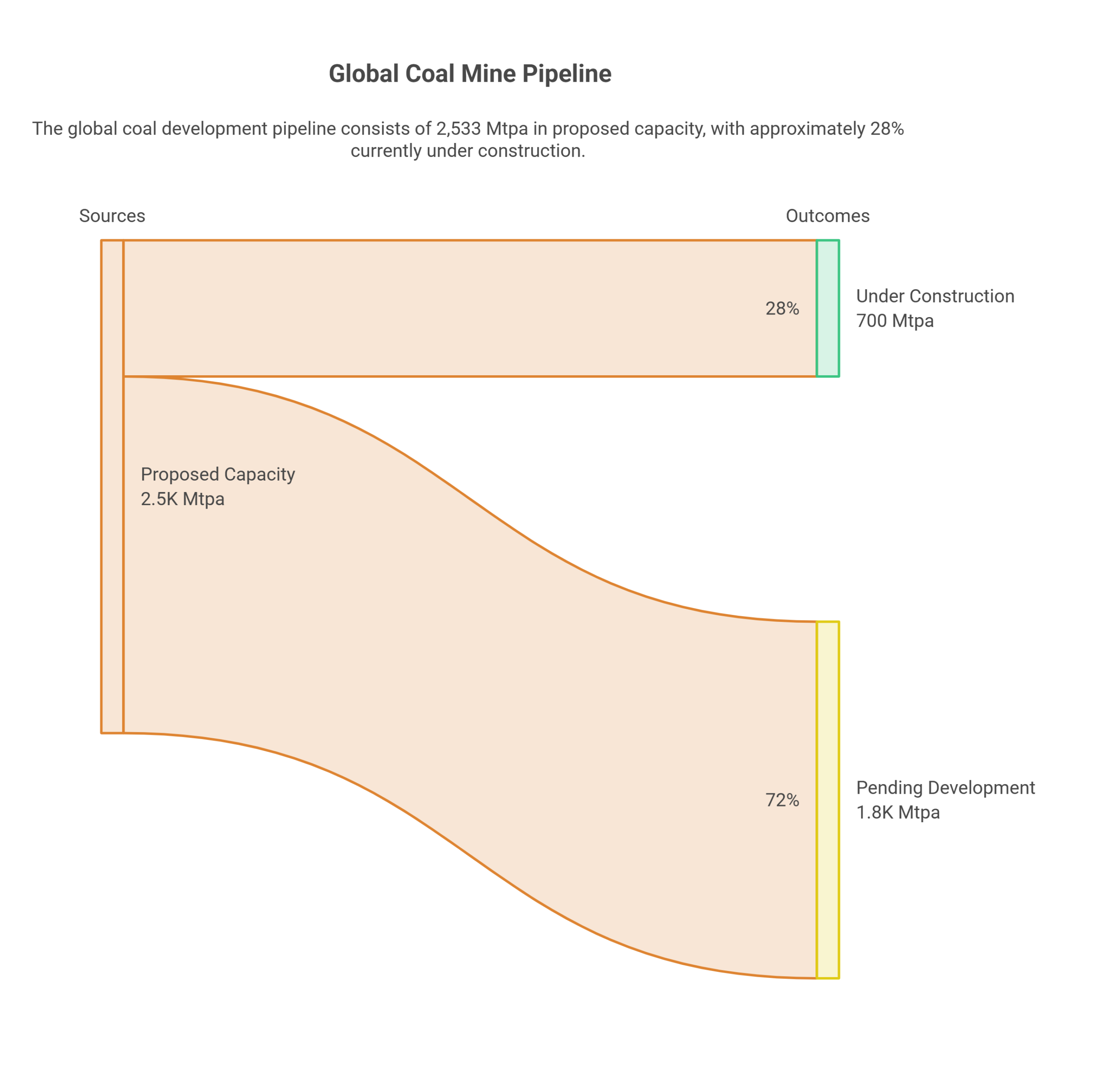
That change does not mean coal mine development has stopped. The global project pipeline remains large, with around 2,533 million tonnes per year of proposed coal-mining capacity across 837 projects. Around 700 million tonnes per year is already under construction, while much of the remaining pipeline is still at earlier stages and depends on permitting, financing and investment decisions.
This is where the new phase of coal mine development becomes more complicated. A project can take years to move from planning to production, while the market it is designed to serve can change during that period. Companies therefore have to look more closely at future demand, capital requirements, infrastructure and the expected working life of a mine before committing to new capacity.
The challenge is not simply deciding whether more coal can be produced. It is deciding which projects can remain commercially useful over the long term.
Global Coal Demand is Moving Toward a More Stable Market
The demand outlook is now a central part of coal mine development decisions. Global coal demand rose only around 0.5% in 2025, reaching approximately 8.85 billion tonnes, after stronger growth in the previous year. The IEA expects global demand to remain broadly around current levels toward 2030 rather than continue expanding at the pace seen during earlier periods of growth.
That creates a different planning environment for mining companies. New mines are long-life assets, often requiring major investment in extraction equipment, transport infrastructure, processing facilities and supporting utilities. If demand is stable rather than rapidly increasing, the ability of a new project to secure a reliable market becomes more important.
The picture also varies across regions and between types of coal. China and India together accounted for about 71% of global coal consumption in 2024, making developments in these markets especially important to the wider industry. Thermal coal remains closely tied to electricity generation, while metallurgical coal is more directly linked to steel production. The two markets therefore face different demand conditions even though both sit within the broader coal industry.
For developers, this makes demand forecasting more important throughout the project cycle. A mine that takes many years to build has to be assessed against the market that is likely to exist when production actually begins, not only the market that exists when the project is first proposed.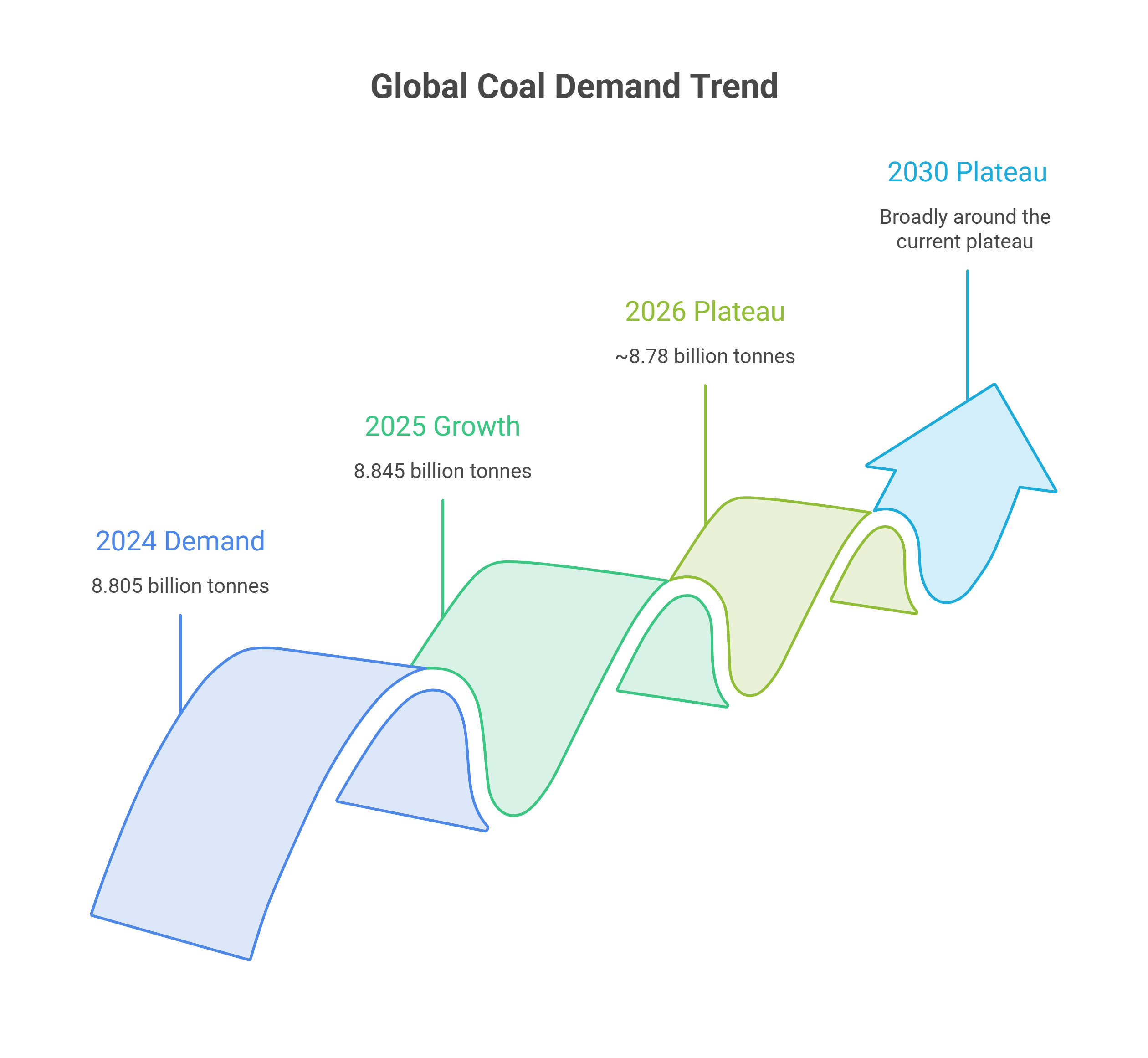
A Large Project Pipeline is Meeting a More Selective Market
The scale of the current coal mine development pipeline makes the changing demand picture more significant. Global Energy Monitor’s 2026 data identifies around 2,533 million tonnes per year of proposed capacity across 837 projects, with approximately 700 million tonnes per year already under construction. Yet the number of new mine openings has fallen by more than half since 2024.
The pipeline is also heavily concentrated. Five countries account for roughly 92% of proposed coal-mining capacity, with China alone representing more than half of the global pipeline. That concentration means the future supply picture will be shaped by decisions being made in a relatively small number of major coal-producing markets.
The gap between proposed capacity and actual new production is important. A project sitting in a development pipeline is not the same as a mine that is already producing. Many projects still need approvals, financing, final investment decisions, infrastructure and construction before they can contribute to supply.
For mining companies, that creates a more selective development environment. Project quality, development timing and access to infrastructure can matter just as much as the size of the underlying resource. It also means that a large project pipeline should not automatically be read as a sign that all of that capacity will eventually reach production.
Coal Mine Development is Becoming More Selective
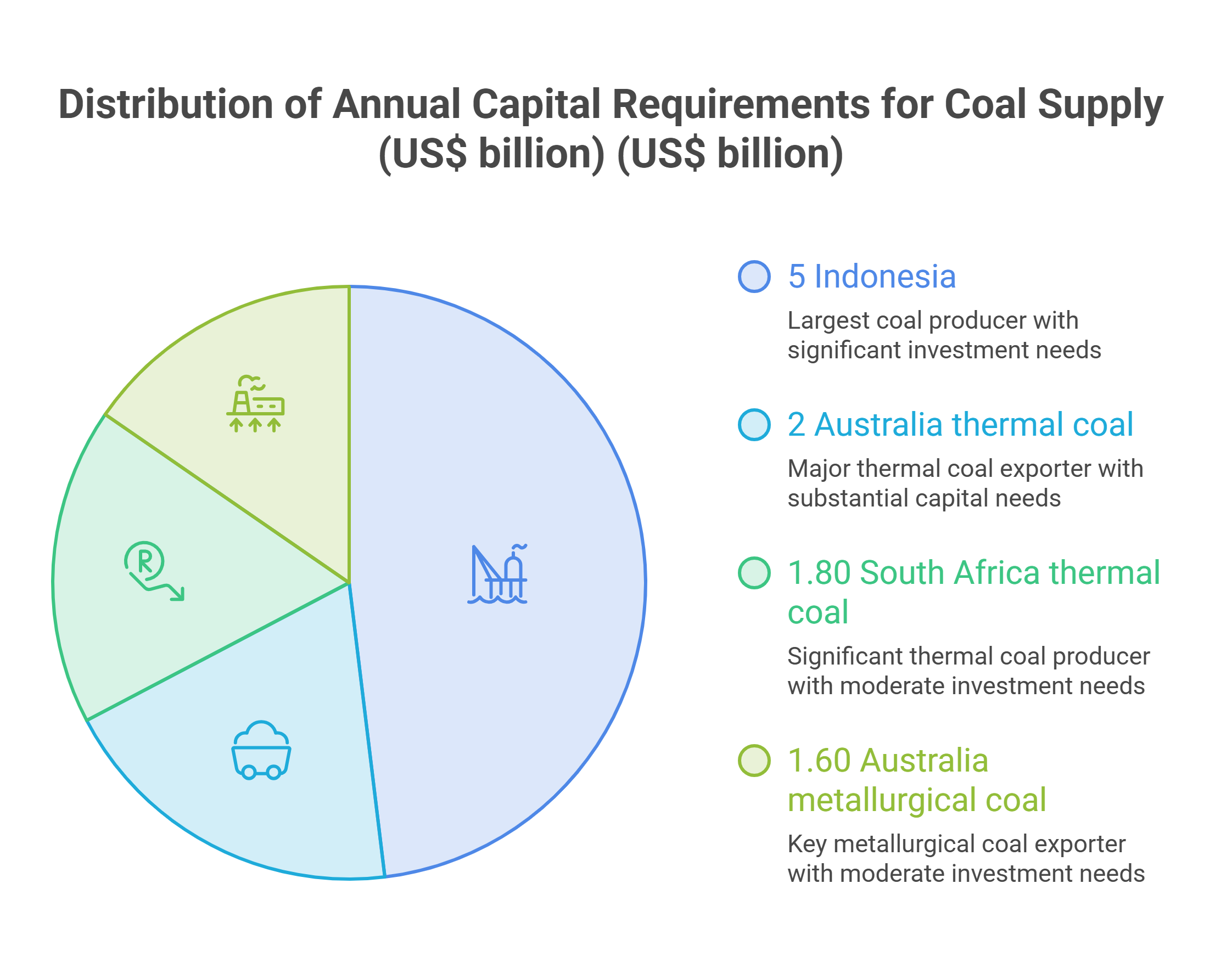
The size of the global pipeline does not mean every proposed project will reach production. New coal mine development now has to compete with a market where demand is close to a plateau and where the cost of building and operating mines remains significant. The IEA estimates that coal prices moderated in 2025, with Newcastle 6,000 kcal/kg coal averaging about US$104 per tonne, down 22% from 2024. At the same time, annual capital requirements for coal production remain substantial across major exporting countries, including more than US$5 billion in Indonesia and more than US$2 billion for thermal coal in Australia.
This makes the quality of a mining project increasingly important. A new mine has to be assessed not only by the size of its resource, but also by its production costs, access to transport, infrastructure requirements, expected mine life and the market it is expected to serve. Projects that already have access to established infrastructure can have a different risk profile from greenfield developments that require new roads, railways, power systems or export facilities.
The distinction between thermal and metallurgical coal also matters. Thermal coal remains closely tied to electricity demand, while metallurgical coal depends more on steel production. Their markets are therefore moving differently, which means the same development strategy cannot be applied across every type of coal mine. The IEA expects global metallurgical coal demand to decline through 2030, but with different regional trends, including stronger growth in India and Indonesia.
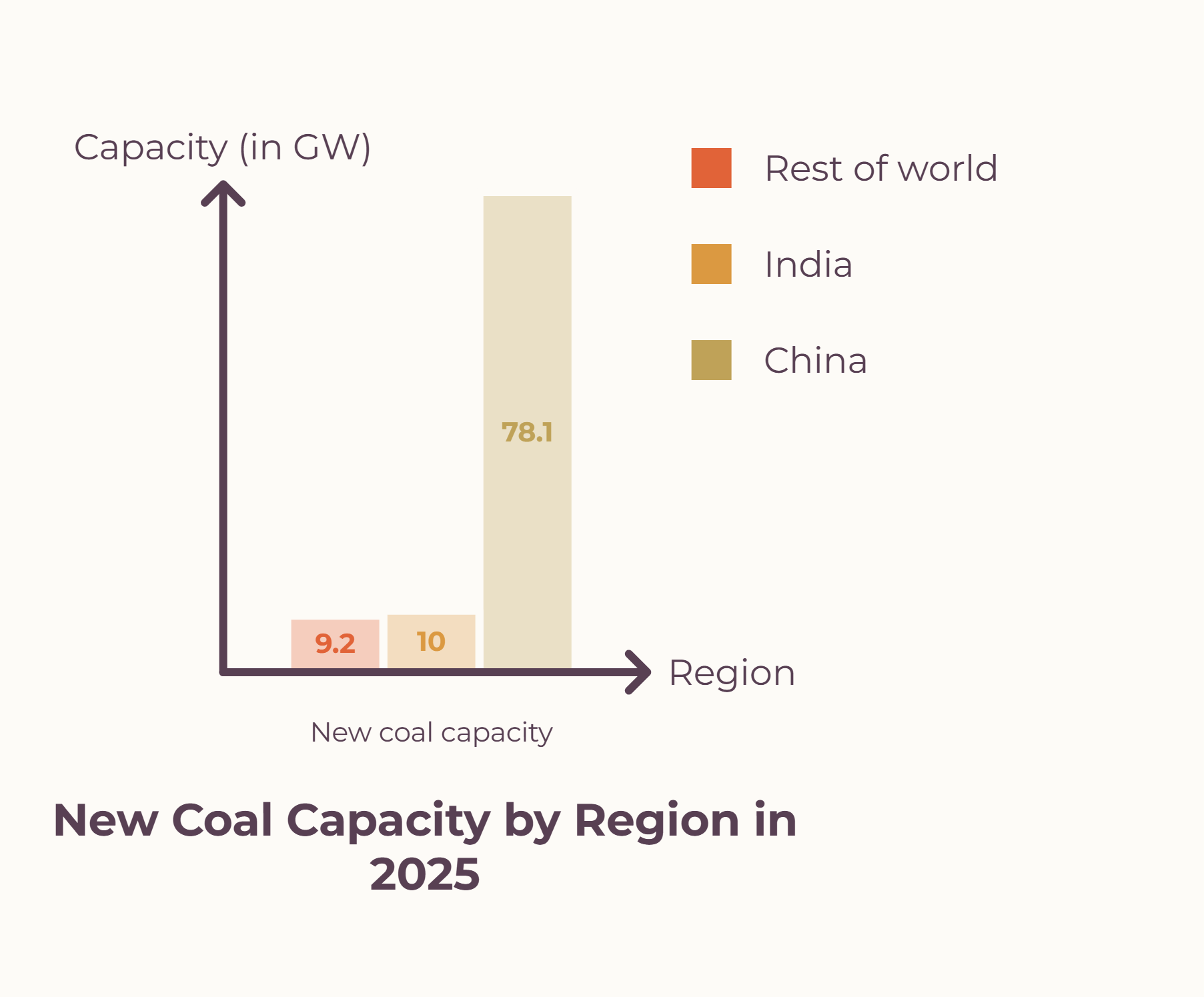
The changing market is also visible further downstream. In 2025, global coal-fired power capacity increased by 3.5%, while actual coal-fired generation fell by 0.6%. New coal capacity additions reached 97.4 GW, but most of that growth was concentrated in China and India.
Capital, Infrastructure and Timing are Shaping the Next Wave of Coal Mines
The economics of coal mine development are also shaped by what has to be built around the mine. A large resource does not become a producing asset without roads, railways, ports, power, processing facilities and other supporting infrastructure. For export-oriented projects, these requirements can become a major part of the investment case.
The IEA estimates that coal production in major exporting countries will require significant annual capital expenditure through 2030. Indonesia requires more than US$5 billion annually, while Australia requires more than US$2 billion for thermal coal and about US$1.6 billion for metallurgical coal. South Africa’s annual requirement for thermal coal is around US$1.8 billion. These figures include both sustaining investment and expansion capital.
Timing matters as well. A project that takes several years to build can enter a very different market from the one that existed when the mine was first proposed. That is particularly important when demand is stable and prices have moved lower from recent highs. The development pipeline therefore needs to be viewed as a group of potential projects rather than a guaranteed addition to future production.
This is creating a more selective environment for new mines. Projects with strong resources, established infrastructure, competitive production costs and clear market access may have an advantage, while higher-cost developments can face greater pressure before reaching construction.
For the mining industry, the next phase of coal mine development is therefore likely to depend less on how much capacity can be proposed and more on which projects can justify the capital required to bring that capacity into operation.
Conclusion
Coal remains a major part of the global mining industry, but the environment for developing new mines is changing. Demand is moving toward a plateau, coal prices have moderated, and actual mine openings are slowing even as a large project pipeline remains in place.
For companies developing new assets, this makes project quality, capital discipline, infrastructure and long-term market access more important than simply adding production capacity. coal mine development is entering a phase where the strongest projects will need to be evaluated against the market that is likely to exist when they finally begin producing, not only the market that exists when they are proposed.