


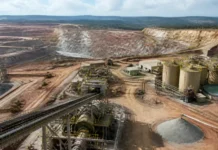
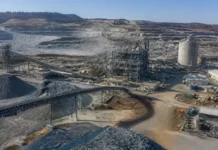
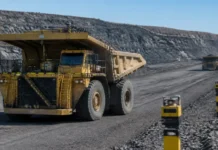





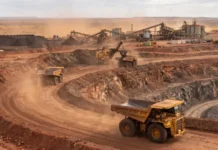

When most people think about mining, they picture open pits, underground tunnels, heavy machinery and large volumes of rock being moved from one place to another. That is how most mines have traditionally operated. But there is another approach that works in a very different way. In Situ Recovery leaves the mineralized material underground and uses a controlled fluid to recover the valuable minerals and bring them to the surface.
The method is not new. In Situ Recovery has been used for decades, particularly in uranium mining, and has also been applied to minerals such as potash, salt and copper. Research has explored its potential for a much wider range of metals, including gold, nickel and rare earth elements.
What makes the method interesting is not simply that it avoids large-scale excavation. In suitable deposits, it can change how a mine is designed, how much material has to be moved and how much infrastructure is needed at the surface. At the same time, it brings a different set of challenges because the mining process depends heavily on groundwater conditions, the permeability of the rock and the ability to control the fluids underground.
As the mining industry looks for ways to develop resources that may be difficult or expensive to mine through conventional methods, In Situ Recovery is gaining attention as another option within the broader mining landscape. Its value, however, depends on where and how it can be used.
In Situ Recovery is Changing the Conventional Mining Model
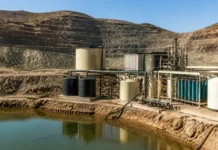
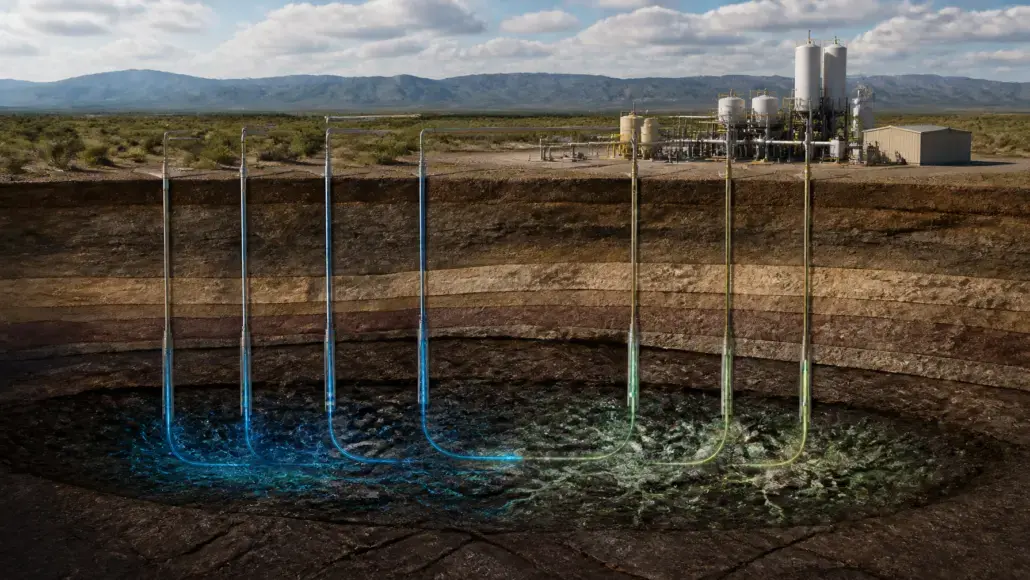
The basic idea behind In Situ Recovery is simple. Instead of removing ore from the ground, mining companies drill a network of wells into a suitable mineral deposit. A controlled solution is then pumped into the mineralized area. As the fluid moves through the rock, it dissolves the target mineral. The mineral-bearing solution is then brought back to the surface, where the valuable material is recovered.
The remaining solution can be treated and circulated back through the deposit, allowing the process to continue while the resource remains underground. The exact chemistry depends on the mineral and the geology of the deposit. Research on ISR shows that the method can use different leaching solutions and that the suitability of a deposit depends on how well those solutions can move through the mineralized zone and recover the target mineral.
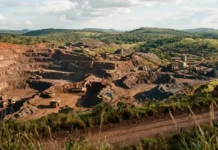
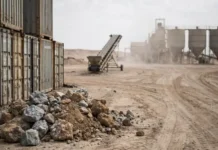
This changes the physical footprint of mining. Conventional open-pit and underground operations involve large-scale excavation, rock movement, waste handling and surface infrastructure. In Situ Recovery can avoid much of that activity because the ore is not brought to the surface in the same way. The research literature identifies limited surface disturbance and the absence of conventional waste rock and tailings as important features of the method.
The approach has already developed well beyond the experimental stage in uranium mining. According to the World Nuclear Association, in situ leach methods accounted for 56% of global uranium production in 2022, with the method widely used across major uranium-producing regions. That long operating history has given the industry experience in well design, fluid control, mineral recovery and groundwater monitoring.
The wider story is now about where that experience can be applied next. Research has examined In Situ Recovery for copper, gold, nickel, rare earth elements, scandium and several other minerals, although the level of commercial development is not the same across these commodities.
This is what makes ISR different from a new mining concept that exists only on paper. The method already works in established applications, while research and new projects are testing where the same approach can make sense elsewhere.
In Situ Recovery is Expanding the Range of Resources That Can Be Considered for Mining
The economic appeal of In Situ Recovery comes from using the ore body itself as part of the recovery process. Conventional mining requires rock to be drilled, blasted, loaded, hauled and processed. ISR can remove much of that work by taking the recovery process underground. This can reduce the need for large mining fleets, waste handling and some surface infrastructure, which can lower development costs for deposits that meet the right conditions. The research literature also identifies modular production and the potential to develop smaller or lower-grade resources that may not be attractive through conventional mining.
The strongest commercial evidence comes from uranium. ISR has become a major source of global uranium production, showing that the method can support large-scale operations rather than simply serving as a pilot concept. At the same time, interest is moving beyond uranium. Studies have examined its use for copper, gold, nickel, rare earth elements and several other metals, although commercial development remains much more limited for many of these commodities.
That difference matters. A mining method cannot be judged only by how well it works in one commodity. Each deposit has its own geology, groundwater conditions and mineral characteristics. The opportunity for ISR is therefore less about replacing conventional mining and more about giving companies another option where the economics of leaving the ore in place make sense.
Geology and Groundwater Set the Limits for In Situ Recovery
The biggest limitation of In Situ Recovery is also one of its most important requirements: the deposit has to allow the process to work. Fluids need to move through the mineralized zone, the target mineral must respond to the leaching solution, and the solution must be recovered and controlled. Permeability, hydrogeology and selective leachability are among the key factors that determine whether a deposit is suitable.
Groundwater management is therefore central to the method. The research identifies the movement of leaching solutions beyond the intended mining area as a major environmental concern. Established ISR operations use monitoring wells, pressure controls and other measures to keep fluids within the target zone, while groundwater restoration and post-mining monitoring form part of the closure process in regulated operations.
This means ISR is not simply a matter of drilling wells and circulating a solution. Projects require detailed geological and groundwater studies, laboratory testing and, where appropriate, controlled field trials before development decisions can be made.
Conclusion
In Situ Recovery shows that mining does not always have to mean moving large volumes of earth. In suitable deposits, minerals can be recovered while much of the ore body remains underground, offering a different approach to extraction with potentially lower surface disturbance and different cost requirements.
But ISR is not a universal replacement for open-pit or underground mining. Its success depends on the right geology, controlled groundwater movement, effective mineral recovery and a workable economic case. The next stage for the method is therefore not proving that it can work, but identifying more deposits where it can work safely, efficiently and at commercial scale.