








Mine closure was once treated mainly as the final stage of a mining operation. Today, that approach is becoming harder to justify. Closure can involve major rehabilitation work, long-term environmental monitoring, social transition, water management and changes to existing infrastructure. All of these can create financial obligations that need to be considered long before production ends.
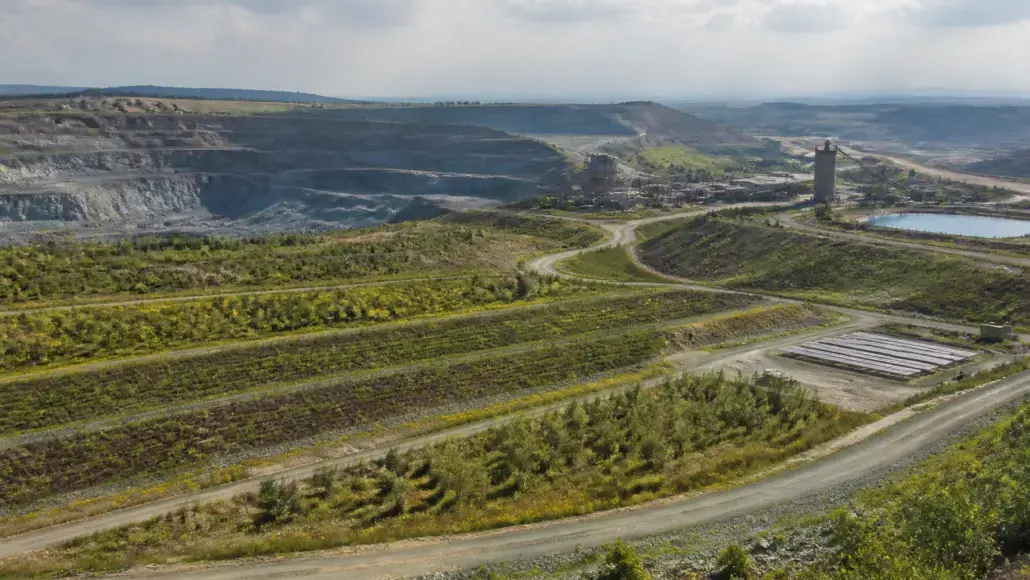
This is why mine closure is increasingly becoming an asset economics issue. Industry guidance now encourages companies to incorporate closure into mine planning from the beginning rather than treating it as a final project. This approach can improve closure-cost estimates, identify risks earlier, progressively reduce liabilities and create opportunities for future uses of the site.
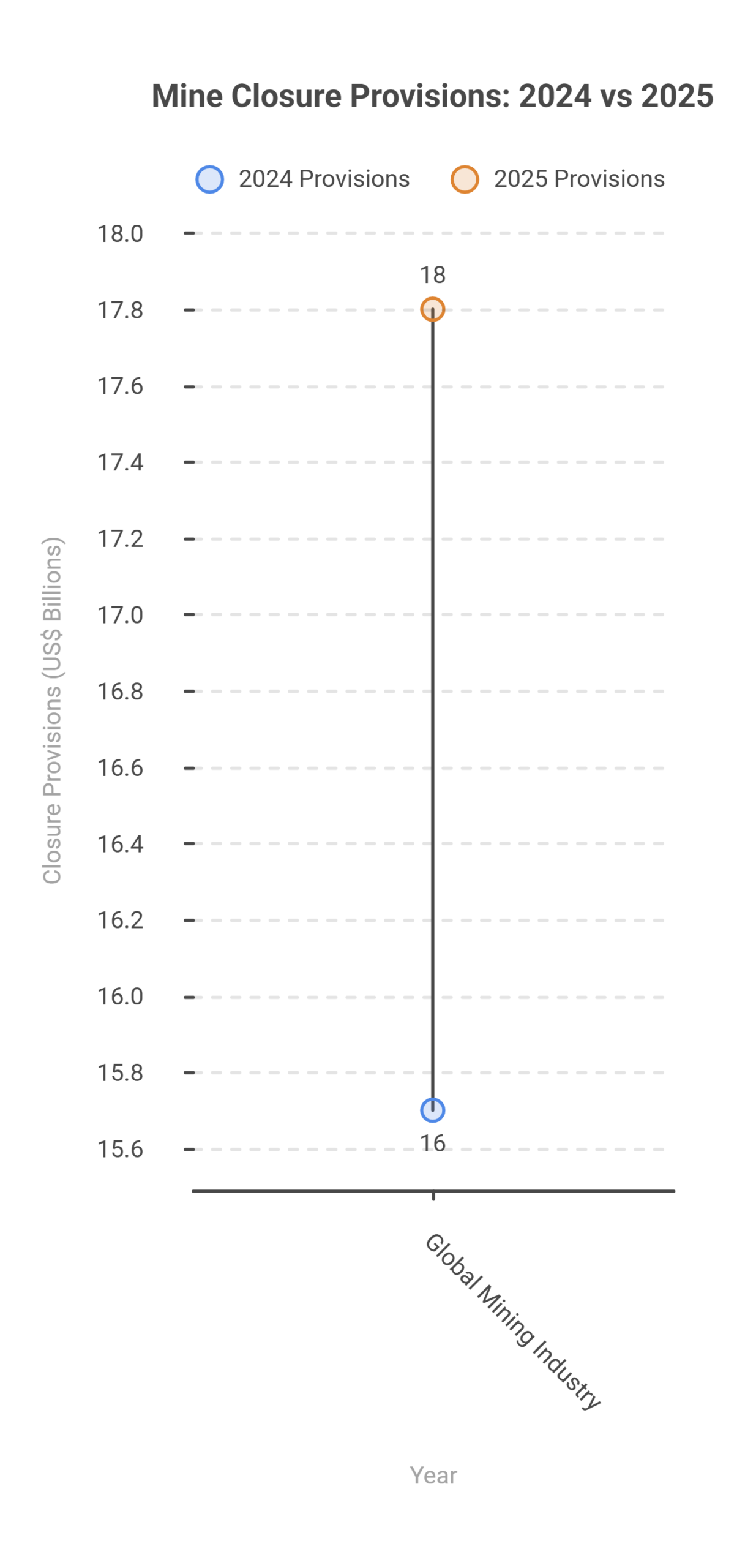
The financial scale can be substantial. One major diversified mining portfolio reported US$17.8 billion in closure provisions at the end of 2025, compared with US$15.7 billion a year earlier. These provisions cover the estimated future costs of closing, rehabilitating and managing sites after production ends.
That figure should not be treated as a measure of the entire industry’s closure liability, but it shows why closure can materially affect the economics of a large mining portfolio. The obligation also does not disappear when a mine stops producing. Some sites can require years of rehabilitation followed by ongoing monitoring and maintenance.
Closure Costs are Becoming Part of Asset Planning
The economics of mine closure begin well before the final tonne is produced. The design of a mine, the location of infrastructure, waste-storage methods, water systems and rehabilitation practices can all influence what the company eventually has to do after production ends.
Progressive closure is becoming an important part of this approach. Instead of leaving the entire rehabilitation programme until the end, operators can complete suitable work during the operating life of the mine. Industry guidance says this can help progressively reduce liabilities while improving the accuracy of future closure estimates and identifying risks earlier.
The change also affects how companies think about the asset itself. A mine does not necessarily become economically irrelevant when extraction stops. Existing roads, buildings, power connections, water infrastructure and other site features may have potential uses after production, depending on their condition, location and regulatory requirements.
A global review of 141 post-mining repurposing cases identified 313 different post-mining activities, averaging 2.22 uses per site. Only 25.53% of the cases involved a single post-mining use. The research argues that potential post-mining uses should be considered as part of the mining lifecycle rather than only after closure.

Key takeaway: Mine closure can represent both a significant future liability and an opportunity to retain economic value from the asset after production ends.
The strategic question is therefore changing. Companies are no longer looking only at how much it will cost to close a mine. They are increasingly considering how early planning, progressive rehabilitation and future land use can influence the asset’s total economic value across its entire life cycle.
A Closed Mine Can Still Retain Economic Value
The financial challenge of mine closure does not end when production stops. Once mining ends, companies may still face years of rehabilitation, water management, monitoring and maintenance. But closure planning is increasingly looking beyond those liabilities toward what the site could become after mining.
That shift is important because a mine site may already have infrastructure that could support another economic use. Roads, power connections, water systems, land, buildings and industrial facilities can potentially provide a starting point for redevelopment, although their condition and future use will depend heavily on the individual site and regulatory environment.
Research covering 141 post-mining repurposing cases identified 313 different post-mining activities, equivalent to an average of 2.22 uses per site. Only 25.53% of the sites in the study had a single post-mining use. The research argues that post-mining land use should be considered as part of the mine lifecycle rather than treated as an issue that begins only after production ends.
This creates a different way of thinking about mine closure. The value of a site may not disappear when mineral production stops. Some sites can potentially support renewable energy, water infrastructure, industrial activity, agriculture or other forms of redevelopment.
The key is planning early enough to preserve those options.
Repurposing Can Turn Closure into a New Investment Opportunity
The potential goes beyond simply finding another use for the land. In some cases, existing mine infrastructure can support a new commercial project.
A 2025 study examined the conversion of an exhausted Greek open-pit lignite mine into a 1,107 MWh pumped-hydropower storage facility. Under the study’s assumptions, the project produced a €112.33 million net present value, a 5.65% internal rate of return and a 12-year discounted payback period over a 30-year operating period.
This is a specific feasibility study rather than evidence that every closed mine can become a profitable energy asset. But it demonstrates the wider concept: post-mining infrastructure can sometimes have economic value that extends beyond the original mineral operation.
That possibility makes closure planning more strategic. A company deciding where to place infrastructure, how to rehabilitate land or which facilities to preserve may also be shaping the options available to a future operator or investor.
India’s latest mine-closure work shows how this thinking is becoming more explicit. Its 2026 annual mine-closure report highlights ecological restoration and sustainable post-mining land utilisation, while current closure plans are expected to incorporate closure activities from the beginning of the mining lifecycle.
For miners, this creates a broader asset question: what should remain after the ore is gone?
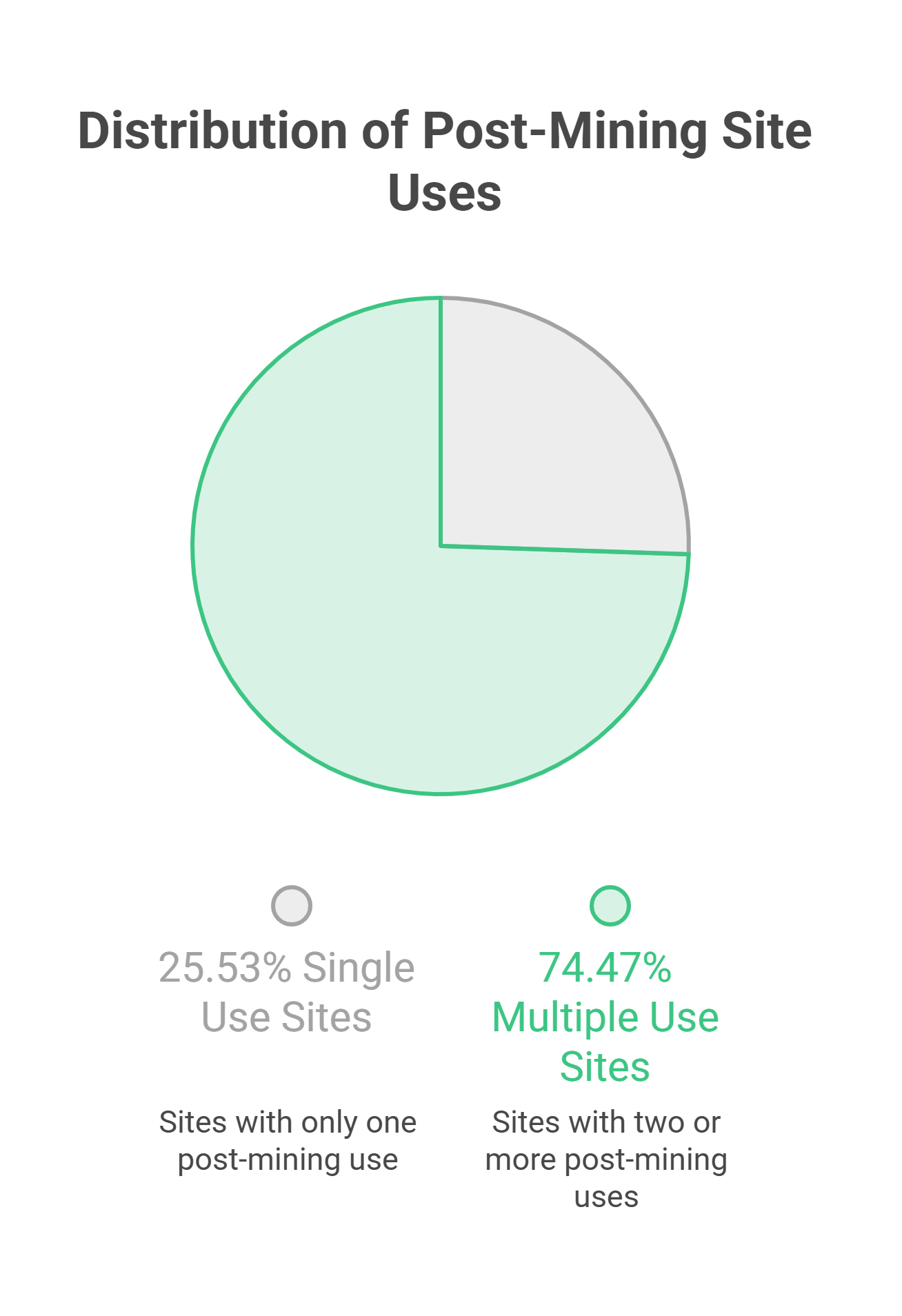
Key takeaway: A mine site can support multiple post-mining uses, making future land and infrastructure value an important part of closure planning.
The economic test, however, remains crucial. Repurposing still has to account for rehabilitation costs, residual environmental liabilities, infrastructure conversion, permitting and long-term monitoring. A site only becomes a genuine post-mining asset when the value of its future use can outweigh those remaining obligations.