








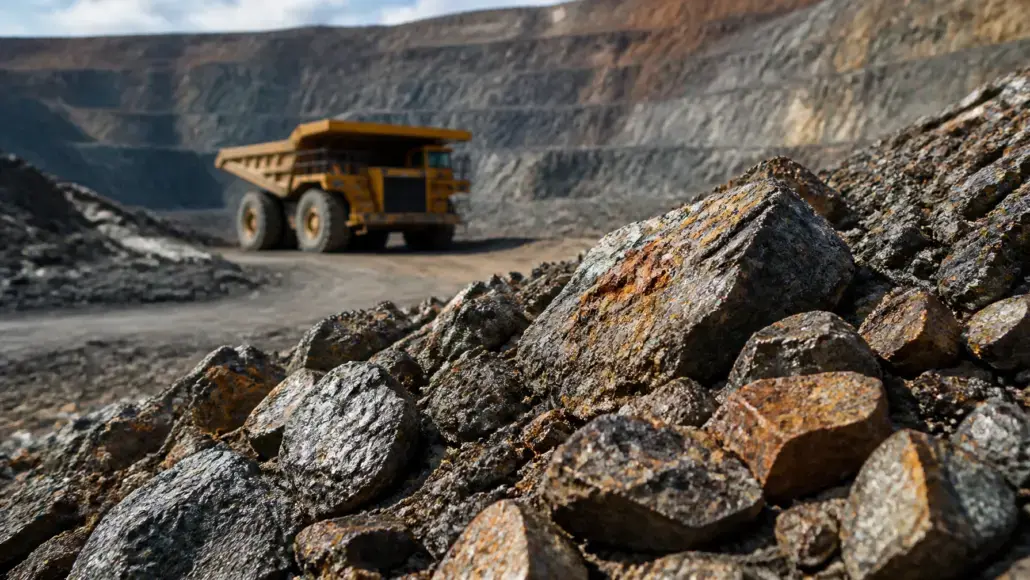

Ore grade has long been one of the most influential factors in determining the technical and economic viability of a mining project. By indicating the concentration of valuable minerals within an ore body, it directly affects how much material must be extracted, processed, and refined to produce a marketable product. Whether a mine produces copper, gold, iron ore, lithium, or other critical minerals, Ore Grades influence nearly every operational and financial decision made throughout the life of a project, from exploration and feasibility studies to production planning and resource management.
Over the past several decades, many mining operations have experienced a gradual decline in average ore grades as easily accessible, high-grade deposits become increasingly scarce. While advances in exploration have expanded the global mineral resource base, mining companies are now required to process larger volumes of material to recover the same quantity of valuable minerals. This shift has increased the importance of efficient mine planning, cost management, and resource optimisation, placing greater emphasis on understanding the economic implications of Ore Grades.
The relationship between Ore Grades and mining economics extends well beyond production output. Lower grades often require additional drilling, blasting, hauling, crushing, and processing, leading to higher energy consumption, increased water usage, and larger volumes of waste rock and tailings. Conversely, higher-grade deposits can improve production efficiency but may involve greater exploration risk or shorter mine life. Balancing these operational and economic considerations has become increasingly important as mining companies seek to maintain profitability while meeting growing demand for mineral resources.
As commodity markets continue to evolve and operating costs fluctuate, Ore Grades remain a critical measure for evaluating project feasibility, investment decisions, and long-term resource development. Rather than serving as a standalone geological indicator, they have become a central element of modern mining strategy, influencing how mines maximise resource value while maintaining sustainable and economically viable operations.
Ore Grades Determine the Economics of Every Mining Project
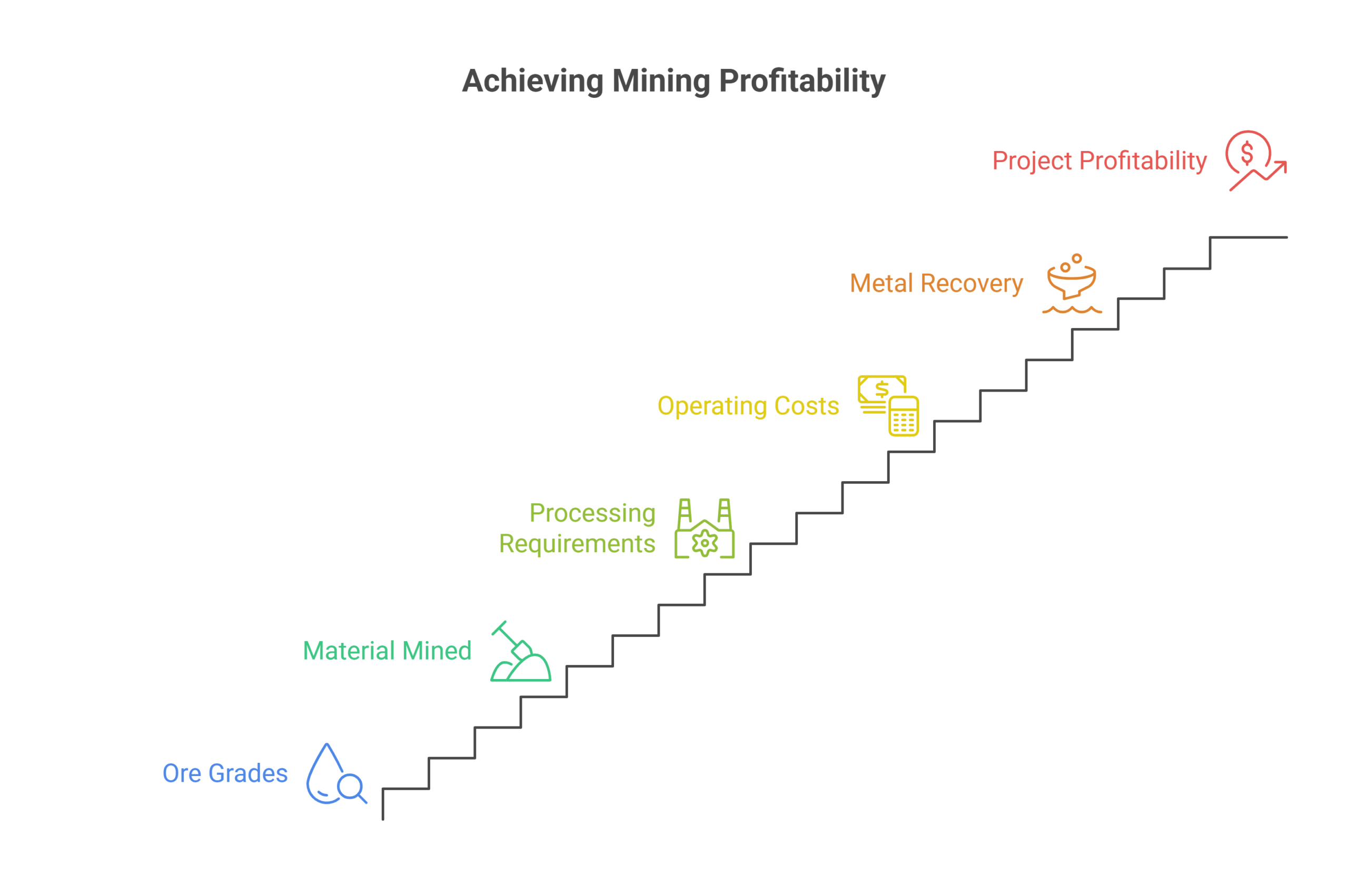
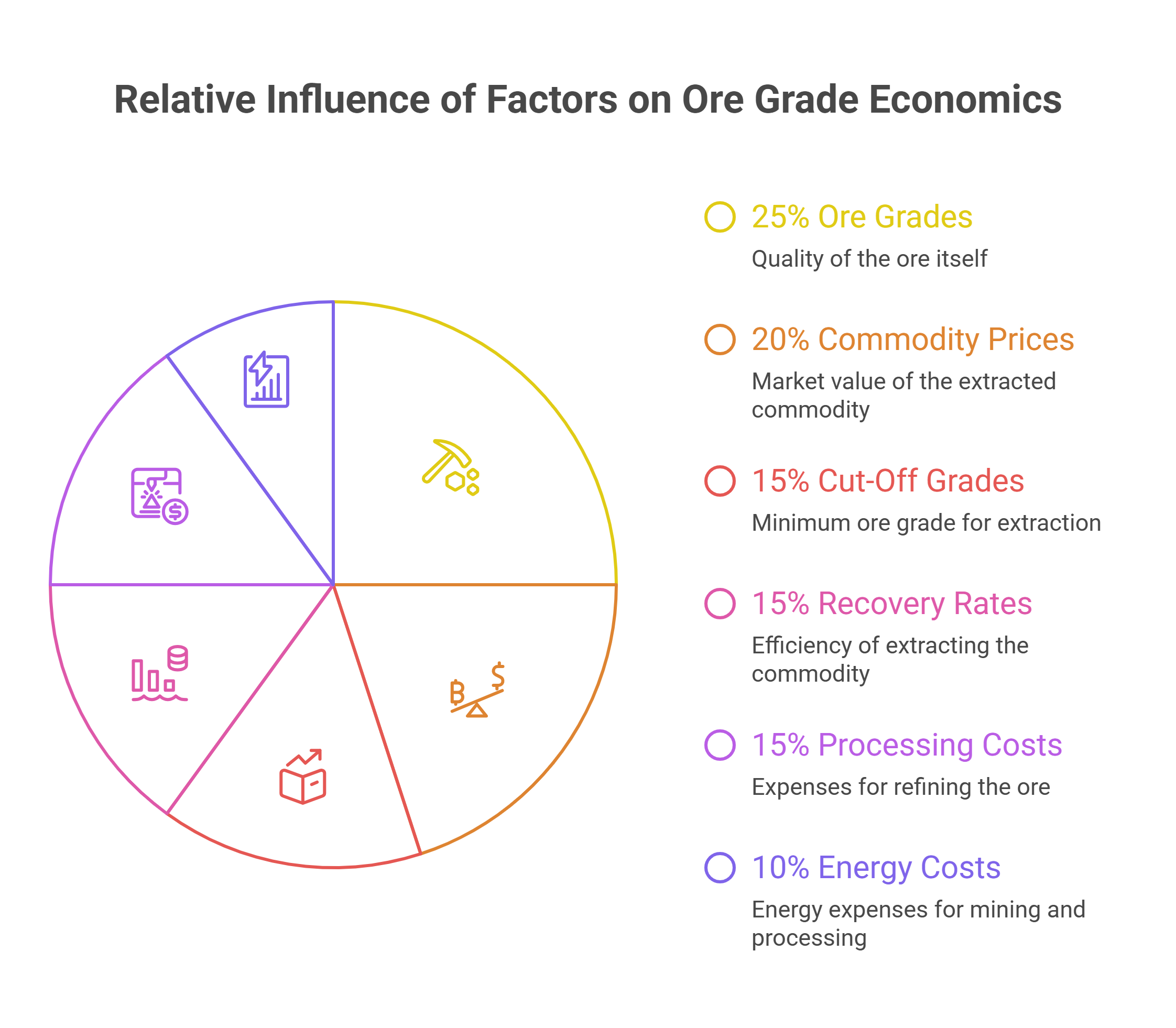
Every mining project begins with understanding the quality and distribution of the mineral resource, making Ore Grades one of the earliest and most important economic indicators. A higher concentration of valuable minerals generally means more metal can be recovered from each tonne of ore, improving the overall value of the resource. However, ore grade alone does not determine project success. Its economic significance depends on how it interacts with mining costs, processing efficiency, recovery rates, and prevailing commodity prices.
The economics of Ore Grades become particularly important during project evaluation and mine planning. Feasibility studies assess whether the anticipated value of recovered minerals exceeds the costs associated with extraction, transportation, processing, environmental management, and ongoing operations. Even relatively small variations in ore grade can significantly influence projected revenues, operating margins, and the overall financial viability of a mining project.
Ore grades also affect how mining companies allocate resources throughout the life of a mine. Higher-grade zones may be prioritised during periods of weaker commodity prices to maximise cash flow, while lower-grade material may become economically attractive when market conditions improve or operational efficiencies increase. This flexibility allows mining operations to adapt production strategies in response to changing economic conditions while optimising long-term resource utilisation.
Declining Ore Grades Are Increasing Operational Challenges
One of the most significant trends affecting the global mining industry is the gradual decline in average Ore Grades across many mature mining regions. As high-grade deposits become less common, mining companies are increasingly developing lower-grade resources that require greater volumes of material to be mined and processed. While these projects remain economically viable in many cases, declining ore grades are placing additional pressure on operational efficiency and cost management.
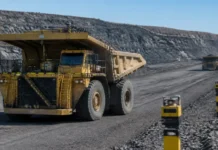
Lower Ore Grades generally require higher mining rates to produce the same quantity of saleable product. This increases demand for drilling, blasting, loading, hauling, crushing, grinding, and mineral processing, resulting in higher fuel consumption, greater equipment utilisation, and increased maintenance requirements. Processing larger volumes of ore also places greater demands on water resources, energy infrastructure, and processing facilities, adding complexity to daily mining operations.
Beyond production costs, declining ore grades can influence environmental performance by increasing waste rock generation and tailings volumes. Mining companies must therefore balance economic objectives with responsible resource management, ensuring that operational efficiency improves alongside environmental stewardship. These challenges have encouraged greater emphasis on mine planning, recovery optimisation, and efficient resource utilisation to maintain the economic performance of lower-grade deposits.
Cut-Off Grades Balance Costs and Profitability
Among the many factors influencing mining economics, the cut-off grade plays a central role in determining whether a mineral resource can be mined profitably. A cut-off grade represents the minimum concentration of valuable minerals required for a portion of an ore body to generate sufficient economic value after accounting for mining, processing, transportation, and operational costs. Material above the cut-off grade is typically classified as economically recoverable ore, while material below this threshold may be treated as waste or reserved for future extraction if market conditions improve.
The relationship between Ore Grades and cut-off grades is dynamic rather than fixed. Fluctuations in commodity prices, energy costs, processing efficiency, and recovery rates can significantly influence where this economic threshold is established. During periods of higher commodity prices, lower-grade material may become economically viable because increased revenues offset the additional costs of extraction and processing. Conversely, rising operating expenses or declining metal prices may require mining companies to increase cut-off grades in order to preserve profitability.
Cut-off grades also influence long-term mine planning and reserve estimation. Adjusting the cut-off grade affects the quantity of economically recoverable ore, the projected mine life, annual production schedules, and capital investment decisions. Rather than serving as a purely geological measure, cut-off grades provide a practical economic framework that helps mining companies balance operational efficiency with long-term resource utilisation.
Recovery Efficiency Can Offset Lower Ore Grades
Although declining Ore Grades present economic challenges, advances in mining and mineral processing have enabled many operations to remain competitive by improving recovery efficiency. Recovering a greater proportion of valuable minerals from lower-grade ore can significantly enhance project economics without requiring higher-grade deposits. As a result, recovery efficiency has become an increasingly important consideration alongside ore grade when evaluating overall project performance.
Every stage of the mining value chain influences recovery rates. Effective ore characterization, efficient blasting practices, optimised crushing and grinding, and well-managed mineral processing operations all contribute to maximising the amount of recoverable metal. Improvements in metallurgical performance allow mining companies to extract greater value from existing resources while making lower-grade deposits commercially viable under appropriate market conditions.
Recovery efficiency also supports more responsible resource utilisation. By increasing the proportion of valuable minerals extracted from each tonne of ore, mining companies can reduce material losses, improve resource recovery, and optimise the economic value of existing deposits. Rather than relying solely on discovering higher-grade resources, many operations are focusing on improving recovery performance as part of a broader strategy for strengthening Ore Grades economics.
Sustainable Resource Utilisation Depends on Balancing Grade and Value
Modern mining increasingly focuses on extracting maximum value from available mineral resources while maintaining economic and environmental responsibility. As average Ore Grades decline across many operations, efficient resource utilisation has become an essential strategy for extending mine life, reducing waste generation, and improving long-term project performance. Rather than concentrating solely on higher-grade material, mining companies are seeking ways to optimise the value of the entire ore body through disciplined planning and efficient resource management.
This approach requires balancing production targets with operational efficiency. Selective mining practices, effective grade control, and accurate resource modelling help ensure that valuable material is recovered while minimising unnecessary dilution and waste. These practices not only improve project economics but also support more efficient use of energy, water, and processing capacity throughout the mining lifecycle.
Sustainable resource utilisation also strengthens long-term business resilience. By carefully managing Ore Grades alongside operational costs and market conditions, mining companies can maximise the economic potential of existing deposits while reducing pressure to continually replace declining reserves. This balanced approach supports both profitability and responsible resource development, making it an increasingly important consideration in modern mining operations.
Conclusion
The economics of Ore Grades extend far beyond measuring the concentration of valuable minerals within an ore body. They influence project feasibility, mine planning, operational costs, recovery efficiency, reserve estimation, and long-term investment decisions throughout the mining lifecycle. As mining companies continue developing increasingly complex and lower-grade resources, understanding the relationship between ore grades and economic performance has become more important than ever.
While declining ore grades present ongoing operational challenges, they also encourage greater emphasis on efficient resource utilisation, recovery optimisation, and disciplined mine planning. By balancing geological characteristics with economic and operational considerations, mining companies can improve project resilience, maximise resource value, and support sustainable mining practices. In an industry where profitability depends on making informed decisions across every stage of the value chain, Ore Grades remain one of the most fundamental indicators of long-term mining success.