


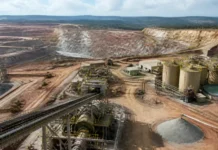
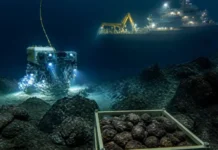
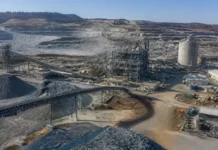
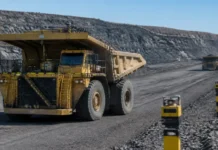




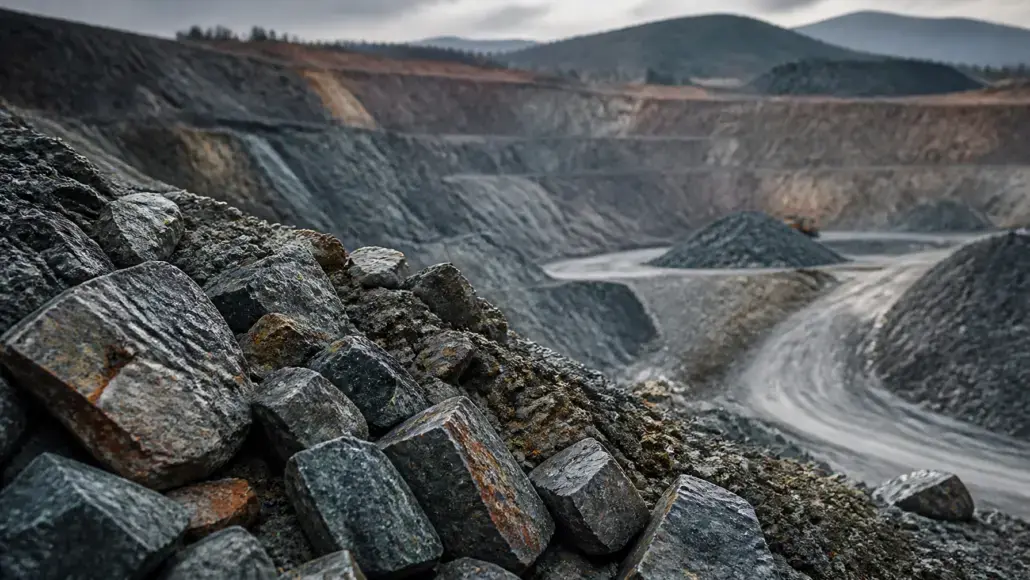

Mining has always depended on finding deposits where the value of the ore can justify the cost of extraction. That balance is becoming harder to maintain. Many companies are now dealing with deposits that are deeper, lower grade, more complex, or harder to process, while demand for copper, lithium, nickel and other minerals continues to grow. Harder Ore is therefore becoming an increasingly important part of the industry’s supply story.
The challenge is not simply finding more mineral. A deposit can contain a large resource and still be difficult to develop profitably. Companies have to consider how much waste must be moved, how deep the ore lies, how far material needs to travel, how it can be processed, and how much capital the project will require before production begins. Rising project costs are making these decisions more important. A recent global mining trends analysis highlighted higher development costs, supply pressures and growing strategic competition for mineral assets as major forces shaping mining investment.
This is changing the way mining companies look at resources. High-grade and easy-to-access deposits remain attractive, but they are not always available in the quantity or locations needed to meet future demand. As a result, Harder Ore is moving closer to the centre of long-term mine planning, resource development and supply discussions.
The industry is therefore facing a more basic challenge than simply finding the next deposit. It needs to find mineral resources that can still make economic sense as the physical and financial cost of mining rises.
Declining Ore Grades Are Changing the Economics of Mining
Lower ore grades are one of the clearest signs of this change. When each tonne of rock contains less valuable mineral, a mine must process more material to produce the same amount of metal. That increases the work involved in drilling, blasting, loading, hauling and processing, pushing up costs across the operation.
For Harder Ore, the economics can become even more demanding because lower grades are often combined with greater depth or more complex geology. A company may need to move more waste, expand its processing capacity or use more energy and water to recover the required amount of metal. Even when the resource is large, the cost of turning it into a saleable product can limit its value.
The issue also becomes more important as an existing mine moves through its life. Higher-grade sections are often developed first, leaving lower-grade or more complex areas for later stages. As production moves into these parts of the deposit, the cost of maintaining output can increase. Mining companies then have to review production plans, recovery rates and operating costs to decide whether those areas can remain economically viable.
This is one reason established assets are attracting greater attention. The recent global mining trends analysis noted that companies are placing more value on producing assets and brownfield opportunities because existing infrastructure and known resources can reduce some of the uncertainty linked to developing entirely new mines.
For Harder Ore, this shift matters because the value of a resource depends on more than its size. The cost and complexity of getting the mineral out of the ground can be just as important as the amount of mineral it contains.
Deeper and More Complex Deposits Are Raising the Cost of Supply
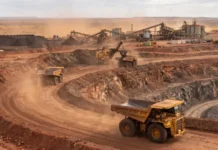
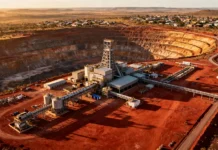
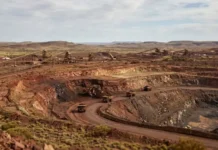
Grade is only one part of the problem. Harder Ore is also increasingly linked with deposits that are deeper, more difficult to access, or more complicated to process. In open-pit mining, deeper extraction can increase the amount of waste that must be removed before ore can be reached. Longer haul distances can add fuel, maintenance and equipment costs, while deeper underground operations can require more complex infrastructure and longer development periods.
The geology of the ore body can create another challenge. Some deposits contain minerals that are difficult to separate or require more stages of processing before they can produce a saleable concentrate or refined product. Lower recovery can further increase the amount of material that must be mined and processed to achieve the same output.
These pressures are making new mining projects more expensive and harder to develop. Higher capital requirements can also make project timing more sensitive to commodity prices, financing conditions and expected production. The global mining trends analysis links rising project costs with a stronger focus on existing assets, brownfield expansion and other ways of securing future mineral supply with less development risk.
For the mining industry, the result is a gradual shift in what counts as an attractive resource. Harder Ore does not mean a deposit has no value. It means the economic case needs to account more carefully for the work, time and cost required to turn that resource into reliable production.
Harder Ore Is Changing How Mining Companies Develop Resources
As Harder Ore becomes a larger part of future mineral supply, mining companies are looking more closely at how they develop resources and manage existing assets. Building a completely new mine is not always the most practical answer when the project involves high capital costs, long development timelines and uncertain market conditions. Existing mines, nearby deposits and brownfield opportunities can offer a more direct path to additional production because some of the infrastructure and operating knowledge are already in place. Recent mining industry analysis has pointed to this growing focus on producing assets and brownfield expansion as companies look for more certain ways to secure future mineral supply.
This does not mean every lower-grade or more complex deposit will be developed. Mining companies still have to compare the expected value of the resource with the cost of extraction and processing. Commodity prices, recovery rates, energy costs, labour, infrastructure and financing conditions all affect that decision. A resource that looks attractive during a period of strong prices may become harder to justify when costs rise or market conditions weaken.
The growing importance of Harder Ore is also changing the value placed on existing mines. A producing operation with established roads, processing facilities and a skilled workforce can have an advantage over a new project that still needs to build its basic infrastructure. This is one reason brownfield expansion, mine life extension and acquisitions of existing assets are becoming important parts of mining strategies.
Conclusion
Harder Ore is becoming an increasingly important part of the mining industry’s future as companies work to maintain mineral supply from resources that can be more difficult and costly to develop. Lower grades, greater depth, complex geology and higher project costs are all changing the economics of how new and existing mines are evaluated.
The industry is not simply running out of minerals. The bigger challenge is finding resources that can be developed at a cost that supports long-term production. That is putting greater emphasis on resource quality, mine planning, existing infrastructure and careful investment decisions. As the mining sector works to meet rising mineral demand, the ability to make harder resources economically viable will become an increasingly important part of the industry’s long-term supply strategy.