







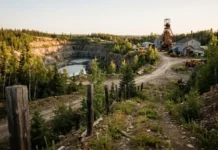
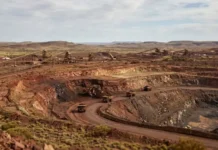
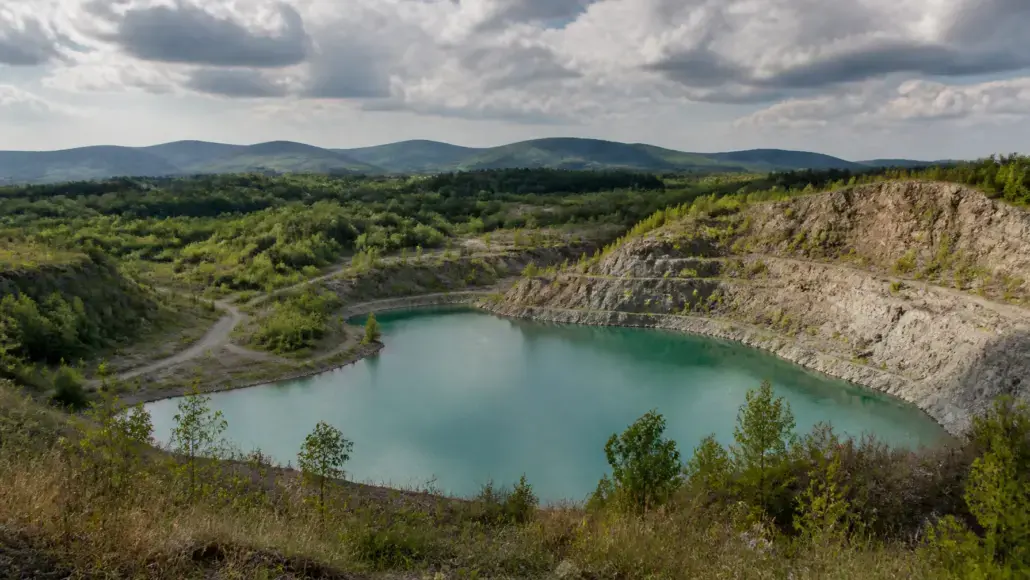

Mining is built around production. A deposit is explored, developed and mined until the remaining ore is no longer economic to extract. At that point, attention turns to closure, rehabilitation and the long-term management of the site. But the end of production does not necessarily mean the end of the mine’s value. Land, infrastructure, water systems, waste materials and nearby communities can all remain part of the story long after the last tonne of ore has been produced.
That is changing how the industry looks at post mining land use. Closure is increasingly being considered as part of the mine’s full lifecycle rather than as a final activity that begins once production stops. Current industry guidance treats closure as an ongoing process that should address environmental, social and economic factors from the early stages of mine development through to the post-closure period.
The idea is straightforward. A mine may have been built for one purpose, but the land and infrastructure do not automatically lose their value when extraction ends. In some cases, they can support a new activity. In others, the site may still contain materials that were not economic to recover when the original mine was developed. The right outcome depends on the physical condition of the site, its location, infrastructure, environmental requirements and the needs of the surrounding region.
Closure Planning is Becoming the Foundation for Post Mining Land Use
For a long time, mine closure was often treated as something that came near the end of an operation. That approach is changing. A mine now has to think about what its final state will look like much earlier, because decisions made during development and production can affect what becomes possible after closure.
This starts with closure criteria. A company needs to establish what the site must achieve before it can be considered safely and responsibly closed. That can include stable landforms, controlled water quality, safe tailings facilities, suitable soil conditions and a realistic future use for the land. Research into mine-closure completion criteria also shows why this matters. If the final land-use goal is unclear or unrealistic, closure can become more expensive, take longer and create uncertainty over when responsibility for the site can eventually be transferred.
The intended post mining land use can also influence how the mine is operated while production is still underway. If a section of land is expected to return to agriculture, soil and landform management become important from an early stage. If an old mine site could later support renewable energy, preserving useful infrastructure and maintaining access to power networks may have value. If a pit is expected to become a water body, groundwater behaviour and long-term water quality need to be understood well before closure.
Progressive rehabilitation is part of this shift. Restoring areas during the operating period reduces the amount of disturbed land left for the end of the mine and allows companies to test whether closure assumptions are working in practice. It can also reduce the pressure on companies to complete a large volume of rehabilitation work only after revenue from production has stopped.
Financial assurance is another part of the equation. Mine closure can leave long-term costs linked to water management, tailings, infrastructure removal, monitoring and land rehabilitation. International research on post-mining financial assurance has highlighted the risk of future liabilities when closure funding is inadequate or poorly planned.
This makes closure more than an environmental responsibility. It is also a long-term financial and asset-management issue.
Post Mining Land Use is Moving Beyond Traditional Rehabilitation
Rehabilitation and repurposing are related, but they are not the same thing. Rehabilitation is about making the site stable, safe and environmentally manageable. post mining land use goes one step further by asking what useful function the land can serve after mining.
Research on post-mining transitions increasingly treats mining land as a temporary use rather than a permanent one. That does not mean every mine site can or should be converted into something new. Large pits, waste areas and industrial facilities can have physical or environmental constraints that make some forms of redevelopment impractical. Instead, the aim is to identify a future use that fits the actual conditions of the site and the needs of the region.
That can take many forms. Former mining land has been considered for renewable energy, agriculture, water storage, conservation, recreation and new industrial activity. The choice depends on factors such as land stability, access to roads and electricity, water conditions, ownership, regulations and the cost of preparing the site for its next use.
This is why the second life of a mine cannot be planned as a simple template. What works for a former coal site with strong grid access may make little sense for a remote metal mine. The value of the land after closure is shaped by what surrounds it as much as by what remains on it.
The strongest closure strategies therefore look beyond restoring the site and start considering what it can realistically become.
Former Mine Sites Can Become New Economic and Industrial Assets
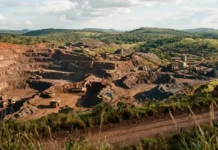
Once extraction ends, the value of a mine does not necessarily disappear with the last tonne of ore. The land may still have roads, power connections, water systems, buildings and other infrastructure that took years and significant capital to develop. In some cases, these assets can support a different economic use rather than being completely removed during closure.
This is where post mining land use becomes more than a rehabilitation exercise. Former mine sites can potentially support renewable energy, water storage, agriculture, conservation, recreation or new industrial activity, depending on their location and physical condition. Research into post-mining transitions has examined these uses as part of a wider effort to turn former mining areas into productive landscapes rather than leaving them as long-term liabilities.
Renewable energy is one example that has attracted growing interest, particularly at former coal mines with large areas of disturbed land and access to existing power infrastructure. The opportunity is not automatic. Ground stability, land ownership, environmental restrictions and the cost of preparing the site can all determine whether a new project is practical. The same applies to former mine pits that could potentially become water bodies or recreational assets. The end result depends on the site’s specific conditions, not simply on the fact that mining has stopped.
That makes repurposing a long-term planning decision rather than a quick redevelopment exercise. A mine that is designed for one type of future use may need very different closure measures from a site being prepared for another. The more clearly that future use is understood during the operating phase, the easier it becomes to protect the land, infrastructure and environmental conditions needed to support it.
Old Mine Sites Can Still Hold Mineral and Regional Economic Value
A mine can also retain value beneath and around the original operation. Tailings, waste rock and other materials left behind may contain minerals that were not economic to recover when the mine was first developed. Changes in technology, commodity prices or demand can alter that calculation, creating an opportunity to reassess old mine waste as a secondary mineral resource.
Research and government programmes are increasingly examining this possibility. The US Geological Survey is studying mine waste as a potential source of critical minerals and other commodities, while also pointing to the technical, economic and access challenges involved in recovering those materials. The presence of a valuable mineral in waste does not automatically make recovery profitable.
This creates another form of post mining land use. A former mine does not always have to move directly from production to permanent closure. In some cases, a site may support another phase of mineral recovery using tailings or other material left from the original operation. That does not mean every closed mine contains a viable second resource, but it shows why closure decisions can affect opportunities that emerge later.
The economic transition also extends beyond the physical site. Mines often support suppliers, contractors, transport businesses and local services, while providing a major source of employment in surrounding communities. When production ends, that economic activity can decline quickly. Research into mining communities has found measurable employment effects after mine closures, reinforcing the need for economic diversification and workforce transition alongside physical rehabilitation.
A successful second life therefore cannot be measured only by whether the land has been restored. It also depends on whether the surrounding region can develop new sources of employment and economic activity after mining ends. In that sense, the future of a mine is tied not only to its site, but to the community that grew around it.
Conclusion
The end of extraction does not have to mean the end of a mine’s value. Once production stops, the land, infrastructure, water systems, waste materials and surrounding economy can all enter a different phase. That is why post mining land use is becoming a more important part of mine planning rather than a decision left until the final years of operation.
Some sites may be suitable for renewable energy, agriculture, conservation, recreation or other industrial uses. Others may offer opportunities to recover minerals from tailings or waste that were not economic to process in the past. In places where redevelopment is not practical, long-term rehabilitation and environmental monitoring may remain the most realistic outcome.
There is no single model for what comes after a mine. The right path depends on the site’s geology, infrastructure, environmental condition, location, economics and the needs of the surrounding community. What is changing is the way the industry looks at closure. The second life of a mine is increasingly being shaped before the first one has even ended.