









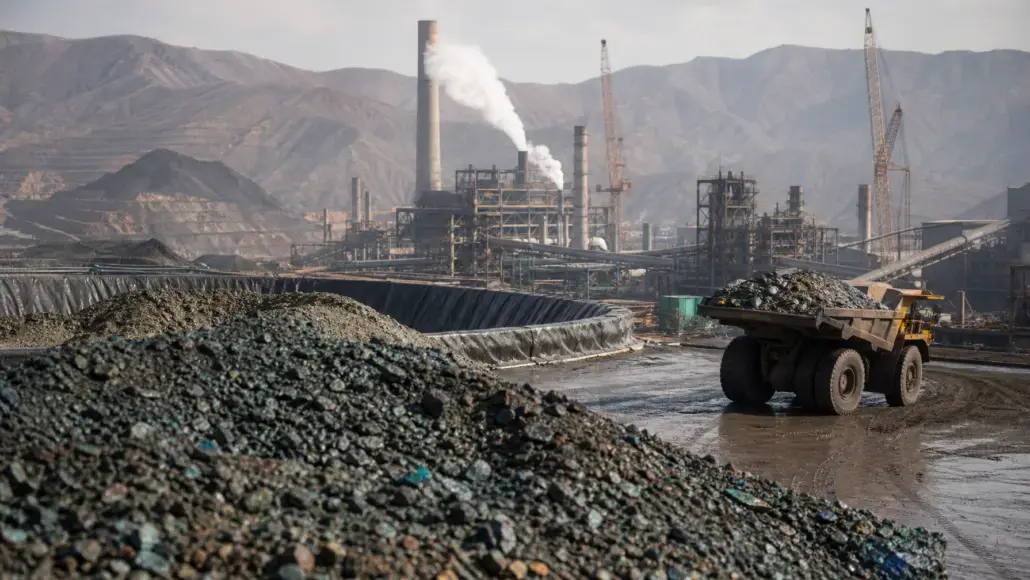

The global copper market is currently grappling with a significant imbalance between upstream mining production and downstream smelting capacity. This misalignment has led to acute copper concentrate shortages, creating a challenging environment for smelters that rely on a steady supply of raw material to maintain their operations. As new smelting facilities continue to be commissioned, particularly in Asia, the competition for high-quality concentrates has intensified, driving treatment and refining charges to record lows. This situation is further complicated by operational disruptions at several major mines and the declining grades of existing deposits. Understanding the drivers of these shortages and the strategies being adopted by industrial players is essential for anyone involved in the copper value chain. The ability of the industry to resolve these bottlenecks will have a major impact on the availability of copper for the global energy transition. It is evident that the pressure on the supply chain will necessitate a coordinated effort from both producers and processors to ensure long-term stability.
Structural Deficits in Upstream Production
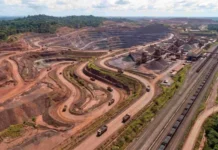
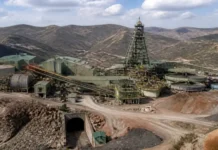
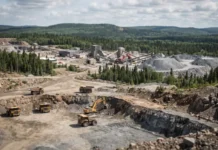
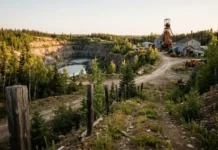
The primary driver of the current supply tightness is the lack of significant new copper mine capacity coming online to match the rapid expansion of smelting facilities. While several large-scale projects are in development, they have been delayed by a combination of permitting hurdles, social opposition, and technical challenges. Additionally, the operational life of many existing mines is being extended through the processing of lower-grade ores, which reduces the overall volume of metal contained in the concentrates produced. This structural deficit in upstream production means that the global market is increasingly reliant on a small number of large mines, making the entire supply chain more vulnerable to localized disruptions. For instance, temporary closures due to labor strikes or technical failures can have an immediate and significant impact on the availability of feed for smelters. The aging infrastructure of many older mines also contributes to these risks, as unplanned maintenance becomes more frequent.
The declining quality of available concentrates is another factor contributing to the supply challenge. As miners move into deeper and more complex parts of their ore bodies, the concentrates they produce often contain higher levels of impurities such as arsenic, antimony, and bismuth. Many smelters are not equipped to handle these deleterious elements, which can damage furnaces and lead to environmental compliance issues. This creates a bifurcated market where high-purity concentrates are in extreme demand, while more complex materials are difficult to place. This trend is expected to continue as the industry exhausts its reserves of clean, high-grade ore. To address these structural deficits, significant investment in new mining projects and the expansion of existing brownfield assets is required, but the lead times for these projects are often measured in decades. The industry must also find ways to improve the efficiency of exploration to discover new, high-quality deposits that can replace depleting reserves.
Impact on Treatment and Refining Charges
Treatment and refining charges (TC/RCs) are the fees that miners pay to smelters to convert concentrate into finished metal. These charges are a key indicator of the balance of power between the upstream and downstream sectors. When copper concentrate shortages occur, the competition between smelters for the limited available feed drives TC/RCs down, significantly impacting the profitability of the smelting industry. In recent months, these charges have reached levels that are below the operating costs of many facilities, forcing some operators to reduce their production or advance their maintenance schedules. This financial pressure is particularly acute for independent smelters that do not have their own mining assets to provide a secure source of feed. The survival of these facilities depends on their ability to manage costs and optimize their metallurgical processes to maintain any semblance of a margin. 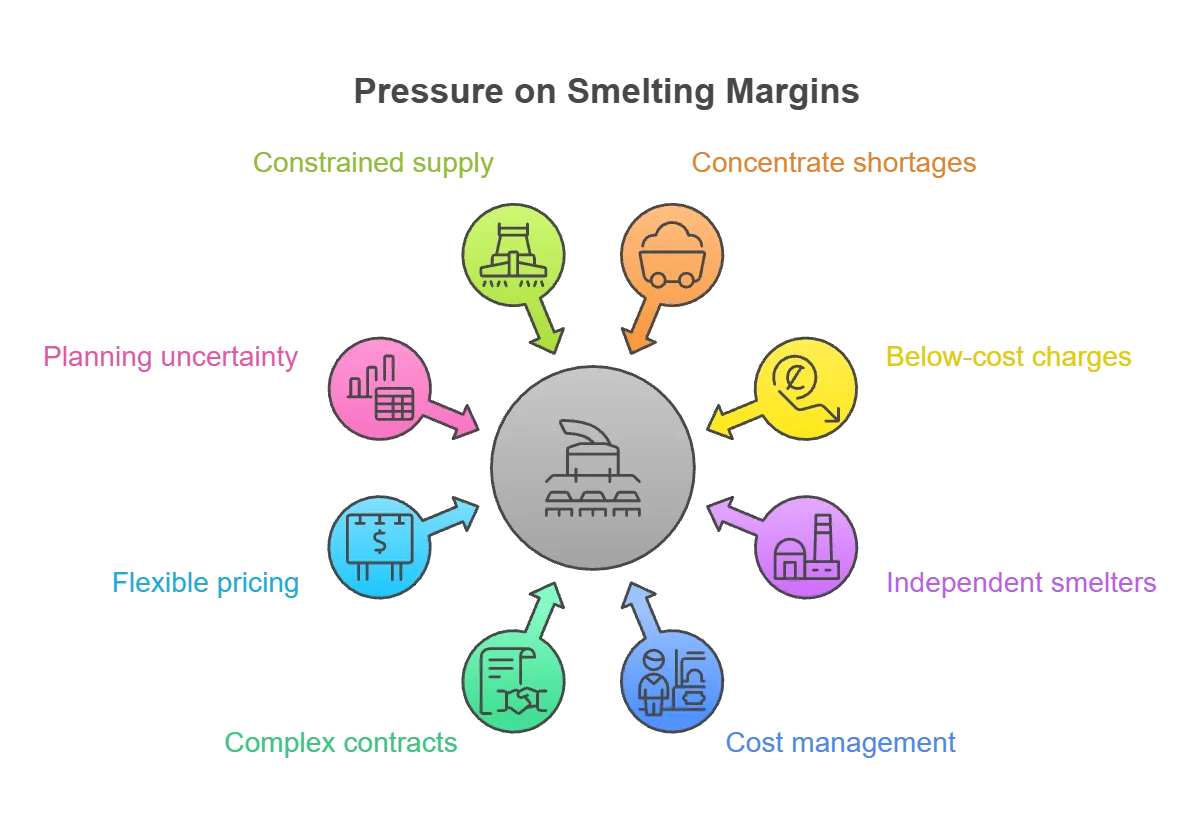 The negotiation of long-term contracts between miners and smelters is also becoming more complex. Miners are seeking to capitalize on the tight supply environment by securing more favorable terms, while smelters are looking for ways to protect their margins. This has led to a shift toward more flexible pricing models and the increased use of spot market transactions to balance supply and demand. The volatility in TC/RCs creates a high level of uncertainty for industrial planning, making it difficult for smelters to justify the capital investment needed for upgrades or expansions. As long as the supply of concentrate remains constrained, the pressure on smelting margins is likely to persist, potentially leading to a rationalization of the industry as higher-cost facilities are forced out of the market. This economic reality is forcing many players to reconsider their long-term strategies and look for ways to integrate more deeply into the upstream sector.
Smelter Capacity Expansion and Utilization Trends
Despite the current shortages, the global smelting capacity continues to grow, driven by industrial policies in nations that seek to capture more value from the copper supply chain. Large-scale smelting projects in China, Indonesia, and India are coming online, adding millions of tons of new capacity to the market. This expansion is often supported by government incentives and the desire to reduce reliance on imported finished metal. However, without a corresponding increase in mine production, these new facilities are competing for the same limited pool of concentrate. This has led to a decrease in the overall utilization rates of the global smelting fleet, as plants are forced to operate at reduced levels due to a lack of feed. The inefficiency of operating below design capacity further erodes the profitability of these multi-billion dollar investments.
The mismatch between smelting capacity and concentrate supply is a significant strategic challenge for the industry. Many of the new smelters are highly efficient and equipped with the latest environmental control technology, but their economic viability depends on high utilization rates. The current environment of copper concentrate shortages makes it difficult for these plants to reach their design capacity, leading to longer payback periods for investors. Some operators are exploring the possibility of importing secondary materials, such as copper scrap or blister copper, to supplement their concentrate feed. While this can provide some relief, it also requires changes to the metallurgical process and the logistics network. The long-term success of the global smelting sector will depend on the ability to balance capacity growth with the realities of upstream production. This requires better coordination between mining companies and industrial planners to ensure that the necessary raw materials are available to support the expanding industrial base.
Technical Adaptations for Complex Concentrates
To cope with the changing nature of the available feed, many smelters are investing in technical upgrades that allow them to process more complex concentrates. This includes the installation of more effective gas cleaning systems to capture volatile impurities and the use of specialized fluxes to manage slag chemistry. Advances in furnace design and the use of oxygen-enriched air can also improve the smelting rate and allow for the treatment of lower-grade materials. These technical adaptations are essential for maintaining production levels in an environment where high-quality feed is scarce. However, the capital cost of these upgrades is high, and they often lead to increased operational complexity and higher maintenance requirements. Companies must weigh these costs against the potential for accessing a wider range of concentrate sources.
The integration of blending facilities is another strategy being adopted by smelters to manage varying feed quality. By mixing high-impurity concentrates with cleaner materials, operators can create a feed that meets the specifications of their furnaces while maximizing the use of available supply. This requires a sophisticated understanding of the chemical interactions within the smelting process and real-time monitoring of the concentrate composition. Some smelters are also looking into hydrometallurgical pre-treatment methods to remove impurities before the material enters the furnace. These innovations are critical for ensuring the resilience of the smelting industry and its ability to contribute to the overall critical mineral refining capacity and the global supply chain challenge. By expanding the range of materials that can be processed, smelters can reduce their vulnerability to specific supply disruptions. The development of more selective extraction methods will be a key area of focus for the industry in the coming years.
Strategic Stockpiling and Market Dynamics
In response to the volatility in the concentrate market, some industrial players and government entities are turning to strategic stockpiling as a way to secure their supply. Maintaining a buffer of concentrate can help smelters to ride out temporary disruptions at mines or in the logistics network. However, the cost of holding large inventories is significant, and it requires specialized storage facilities to prevent oxidation and environmental contamination. The use of financial hedging instruments is also common as a way to manage the risks associated with fluctuations in copper prices and TC/RCs. These market-based strategies are an essential part of the modern metallurgical environment, allowing companies to protect their financial health in a highly competitive arena.
The dynamics of the copper concentrate market are also being influenced by shifting trade patterns and the emergence of new market participants. Traders and investment funds play an increasingly active role in the movement of concentrates, providing liquidity and helping to balance regional supply and demand. This globalization of the market means that localized shortages can quickly ripple through the entire system, impacting prices and availability on a global scale. As the demand for copper continues to grow, the pressure on both miners and smelters to increase their efficiency and sustainability will intensify. The ability to effectively manage copper concentrate shortages will be a defining factor in the success of the industry, requiring a coordinated approach that encompasses technical innovation, strategic planning, and a deep understanding of global market trends. This ongoing challenge serves as a reminder of the complex interdependencies that characterize the modern industrial world and the importance of building a resilient and sustainable mineral economy. The industry must remain agile and forward-looking to ensure that it can meet the needs of a rapidly changing global market.