








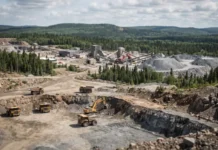
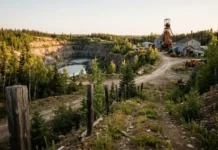

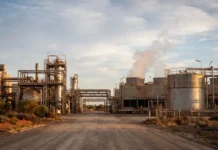
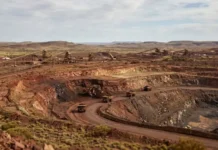
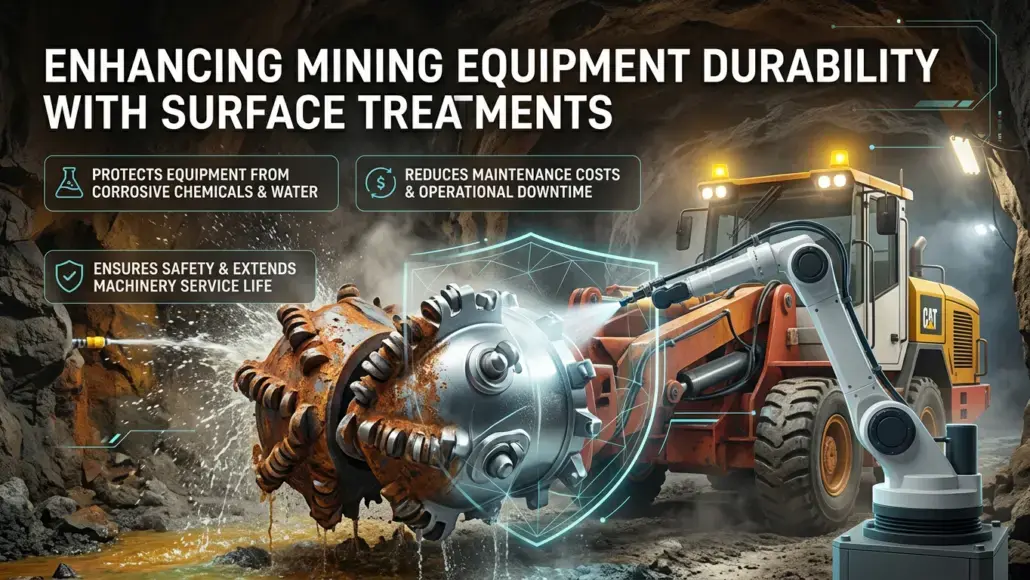

In the aggressive environments of modern mining, the structural integrity of equipment is constantly under siege from chemical, mechanical, and atmospheric degradation. Corrosion is not merely an aesthetic concern but a fundamental threat to the safety and productivity of mining operations. As mines reach greater depths and encounter increasingly saline or acidic groundwater, the demand for advanced surface treatment technologies has surged. These solutions are designed to create a resilient barrier between the metallic substrates of critical machinery and the hostile elements they interact with daily. From the massive steel structures of headframes to the delicate internal components of processing plants, the application of specialized coatings and treatments is essential for preventing the premature failure of multi-million-dollar assets.
The selection of an appropriate treatment strategy requires a deep understanding of the specific environmental triggers present at a mine site. Factors such as pH levels, temperature fluctuations, and the presence of abrasive particulate matter all influence the rate of material loss. Surface treatment technologies have evolved significantly beyond simple paint systems, incorporating sophisticated metallurgy and chemical engineering to provide multi-layered protection. By integrating these technologies into the manufacturing and maintenance cycles, mining companies can significantly extend the interval between major repairs, thereby reducing capital expenditure and improving the overall efficiency of the extraction process.
Mitigation of Chemical Degradation in Subterranean Operations
Underground mining environments are characterized by high humidity, poor ventilation, and the presence of mineralized water that can be highly corrosive to unprotected steel. In these conditions, chemical degradation can occur at an accelerated rate, leading to the rapid thinning of structural members and the eventual compromise of load-bearing capacities. The implementation of specialized surface treatment technologies is the primary defense against this pervasive threat. Treatments such as high-performance epoxy coatings and polyurethane linings are frequently used to protect equipment that comes into direct contact with ore and mine water. These materials offer exceptional resistance to both chemical attack and the physical abrasion that occurs during material handling.
One of the most effective methods for protecting underground infrastructure is the use of sacrificial coatings. These treatments work by providing a layer that corrodes preferentially to the underlying substrate, effectively extending the life of the primary structure. This approach is particularly valuable for rock bolts and support mesh, where the maintenance of structural integrity is a direct factor in personnel safety. By utilizing advanced chemical vapor deposition or thermal diffusion processes, manufacturers can create coatings that are chemically bonded to the steel, ensuring that the protection remains intact even under significant mechanical stress or impact.
In addition, the role of surface preparation in the effectiveness of these treatments cannot be overstated. Even the most advanced coating will fail if applied to a contaminated or poorly prepared surface. Modern mining operations increasingly utilize automated grit blasting and laser cleaning systems to ensure that substrates are perfectly prepared before the application of surface treatment technologies. This focus on process quality ensures that the protective layers achieve maximum adhesion and longevity, providing the reliable barrier required for long-term subterranean service.
Advanced Thermal Spray and Galvanizing for Structural Integrity
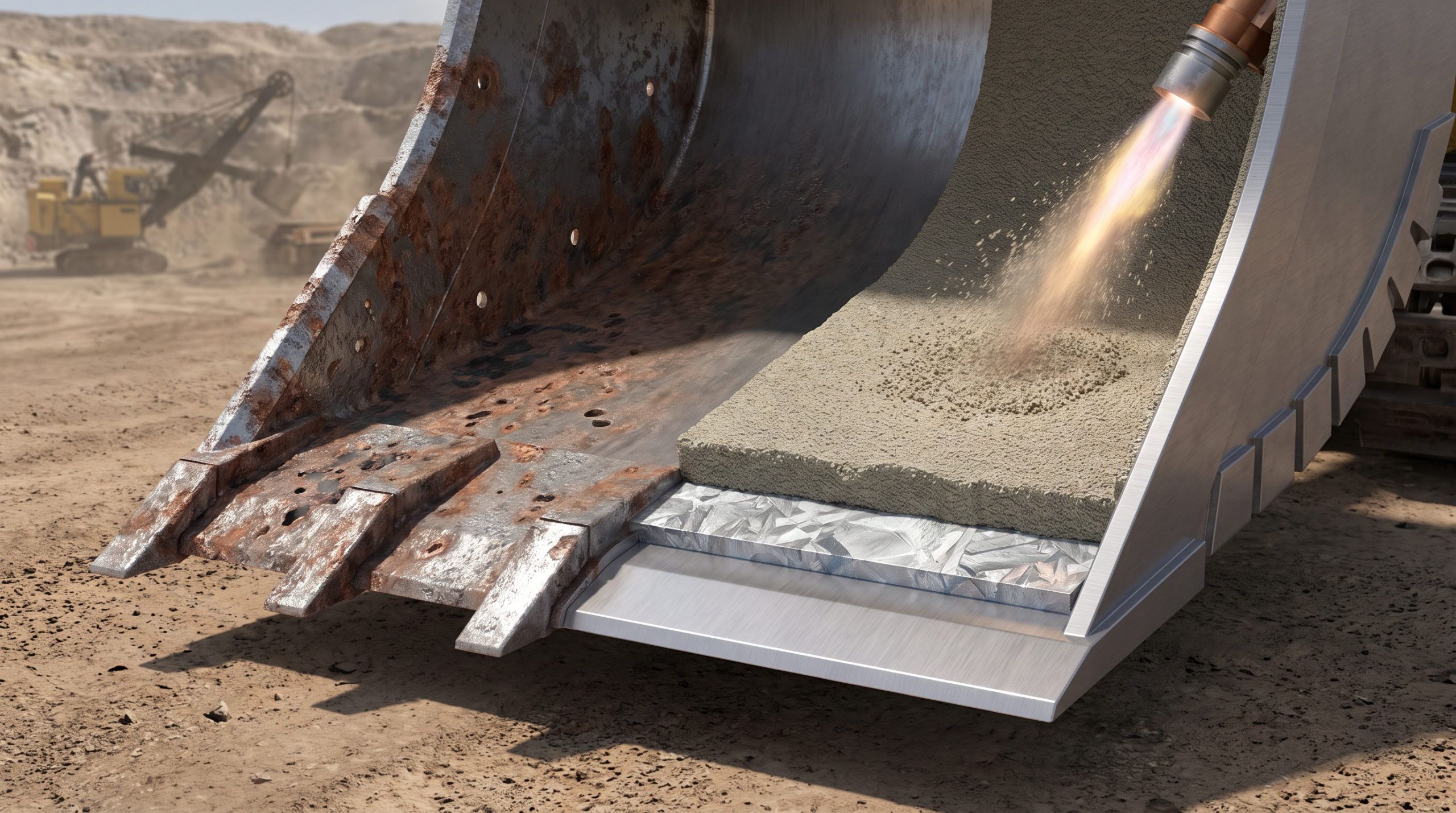
Thermal spray processes represent a pinnacle of surface engineering in the mining sector. By projecting molten or semi-molten materials onto a surface at high velocities, technicians can create thick, dense coatings that offer unparalleled wear and corrosion resistance. This technique is versatile, allowing for the application of metals, alloys, ceramics, and even plastics depending on the specific needs of the component. For large-scale structural elements like conveyor frames and processing tanks, thermal spray provides a level of protection that far exceeds conventional liquid coatings.
- Hot-dip galvanizing provides a metallurgical bond between zinc and steel for permanent structural protection.
- Thermal spray aluminum (TSA) offers superior resistance to high-temperature corrosion and saline environments.
- Ceramic coatings are utilized in high-wear areas to prevent erosion from slurry and abrasive ores.
- Zinc-rich primers serve as an essential base layer for multi-coat systems in highly corrosive zones.
Hot-dip galvanizing remains a cornerstone of corrosion management for mining infrastructure. By immersing steel components in a bath of molten zinc, a series of zinc-iron alloy layers are formed, providing both a physical barrier and cathodic protection. This process is especially effective for complex geometries where other coating methods might struggle to provide uniform coverage. The resulting finish is incredibly durable and can withstand the rough handling and mechanical impacts typical of a mine site. When combined with other surface treatment technologies, such as powder coating or specialized topcoats, galvanizing creates a “duplex” system that offers synergistic protection and an exceptionally long service life.
Impact of Surface Hardening on Equipment Lifespan and Reliability
While corrosion is a primary concern, the mechanical wear caused by the constant movement of abrasive ore is equally damaging. Surface hardening technologies, such as nitriding and carburizing, are used to increase the surface hardness of critical components while maintaining a tough, ductile core. This combination is essential for parts like pins, bushings, and shafts that must endure high loads and abrasive conditions simultaneously. By modifying the chemical composition of the surface layer, these treatments create a material that is significantly more resistant to scratching, gouging, and metal-to-metal wear.
These coatings are particularly effective when applied to the contact surfaces of heavy-duty gear systems, where they reduce the risk of pitting and surface fatigue under extreme loads. The precision offered by modern hardening techniques allows for the creation of very specific hardness profiles, ensuring that the component performs exactly as required in the field. This level of control is vital for high-precision machinery where even minor dimensional changes due to wear can lead to significant performance degradation or total system failure.
In addition to traditional heat treatments, the use of laser cladding has emerged as a powerful tool for both manufacturing and repair. Laser cladding involves using a high-power laser to melt a precursor material onto a substrate, creating a metallurgical bond with very low dilution. This process allows for the application of high-performance alloys to localized areas of high wear, providing a cost-effective way to enhance the performance of standard components. The ability to precisely target the treatment reduces heat distortion and allows for the salvage of expensive parts that would otherwise be scrapped due to wear or corrosion.
Economic Benefits of Proactive Corrosion Management Strategies
The economic argument for investing in high-quality surface treatment technologies is compelling. While the initial cost of advanced coatings and treatments can be higher than traditional methods, the long-term savings in maintenance and replacement costs are substantial. Proactive corrosion management reduces the frequency of emergency repairs and unplanned downtime, which are the most expensive aspects of mining operations. By extending the life of equipment, mining companies can delay capital expenditures for new machinery, improving their cash flow and overall financial performance.
Data-driven decision-making is becoming increasingly important in this field. Many mining operations now utilize corrosion monitoring systems that provide real-time data on the condition of critical assets. This information allows maintenance managers to schedule treatments exactly when they are needed, rather than following a rigid time-based schedule. This “condition-based” approach ensures that resources are allocated efficiently and that protection is always maintained at optimal levels. The integration of surface treatment technologies into a broader digital asset management framework is a key trend in the industry’s move toward smarter, more efficient operations.
In addition, the environmental impact of corrosion should not be ignored. Leaking pipes, failing tanks, and degrading structures can all lead to environmental contamination and significant regulatory fines. By ensuring the integrity of their assets through effective surface treatments, mining companies can reduce their environmental footprint and maintain their “social license” to operate. This focus on sustainability is increasingly important to investors and regulators, making corrosion management a strategic priority at the highest levels of corporate governance.
Regulatory Compliance and Safety Standards for Material Coatings
The application of surface treatments is subject to rigorous safety and environmental regulations. Many of the materials used in industrial coatings, such as certain heavy metals or volatile organic compounds (VOCs), can pose risks to human health and the environment if not handled correctly. Mining companies must ensure that their surface treatment technologies comply with all local and international standards, including REACH and OSHA requirements. This involves not only the selection of compliant materials but also the implementation of safe application procedures and effective waste management systems.
Safety standards also extend to the performance of the coatings themselves. In critical applications like hoisting systems or pressure vessels, the failure of a protective coating can have catastrophic consequences. Regulatory bodies often require specific certifications and testing protocols to verify that a treatment meets the necessary performance criteria. Adhering to these standards is essential for maintaining insurance coverage and avoiding legal liabilities. By partnering with reputable suppliers and certified applicators, mining operators can ensure that their surface treatments provide the reliable protection required for high-stakes industrial environments.
Finally, the ongoing education and training of the workforce are vital for the successful implementation of coating programs. Technicians must understand the specific properties of the materials they are working with and the importance of following application protocols to the letter. This knowledge ensures that treatments are applied safely and effectively, maximizing their protective benefits and minimizing the risk of failure. As the technology continues to advance, a commitment to continuous learning will be essential for keeping pace with the latest developments in material science and surface engineering.