






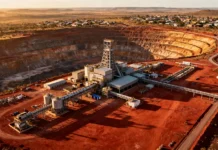
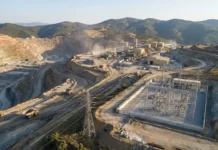
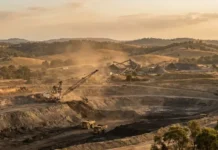
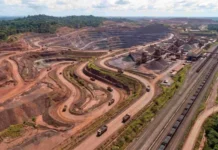

The exhaustion of high-grade mineral deposits has forced the global mining industry to turn its attention toward lower-quality resources that were previously considered uneconomic. Successfully processing low-grade ores requires a fundamental shift in operational strategy, moving from a focus on high-margin extraction to high-efficiency, large-scale production. This transition is driven by the need to maintain supply levels for essential commodities while managing rising energy costs and stricter environmental requirements. By adopting innovative metallurgical techniques and optimizing infrastructure, mining companies can realize significant value from resources that were once classified as waste. This analytical approach to resource management is essential for the long-term sustainability of the sector, ensuring that existing assets can remain productive even as the quality of the available ore declines. The ability to manage these low-grade assets effectively will distinguish the leaders in the next generation of mining.
Economics of Low-Grade Resource Development
The feasibility of mining low-grade deposits depends on the ability to manage unit costs with extreme precision. When the value per ton of material moved is low, every inefficiency in the extraction and processing stages is magnified. Mining companies must achieve massive throughput to reach the necessary economies of scale, which requires significant investment in high-capacity equipment and automated systems. The capital intensity of these projects is high, but the potential for long-term, stable production makes them attractive to investors looking for steady returns. Strategic planning involves a detailed analysis of the grade-tonnage curve to identify the optimal cutoff grade that balances resource recovery with financial performance. This requires close collaboration between geologists and financial analysts to ensure that the project remains viable under varying market conditions. Managing the risks associated with price volatility is also a key consideration, as low-grade operations have narrower margins than their higher-grade counterparts.
In addition to scale, the proximity of processing facilities to the mine site is a critical factor in the economics of low-grade operations. Minimizing the distance that ore is hauled can result in substantial savings in fuel and maintenance costs. Many operators are exploring the use of in-pit crushing and conveying systems to replace traditional truck-and-shovel methods, offering a more continuous and cost-effective way to transport material. Additionally, the integration of renewable energy sources, such as solar or wind, can help to stabilize energy costs and reduce the carbon intensity of the operation. By lowering the break-even point of the project, mining companies can protect themselves against fluctuations in commodity prices while extending the life of their mines. The focus on cost control is the primary driver in the effort toward handling lower-quality resources as it allows for the development of deposits that would otherwise remain untapped. The implementation of digital twin technology also helps operators to simulate different economic scenarios and optimize their production schedules accordingly.
Bulk Sorting and Pre-Concentration Techniques
One of the most effective ways to improve the economics of low-grade deposits is to remove barren rock as early as possible in the processing circuit. Bulk sorting and sensor-based ore sorting allow for the separation of high-value material from waste before it reaches the energy-intensive grinding and flotation stages. By increasing the grade of the feed sent to the mill, operators can maximize the utilization of their processing capacity and reduce the volume of tailings generated. Sensor technologies, such as X-ray transmission and near-infrared spectroscopy, can identify mineralogical differences at the speed of the conveyor belt, allowing for real-time rejection of gangue material. This pre-concentration step can significantly lower the operational costs per unit of metal produced. The ability to reject waste early in the process also reduces the environmental footprint of the operation by minimizing the amount of material that needs to be stored in tailings facilities.
The implementation of sorting technology requires a deep understanding of the ore body’s heterogeneity. Deposits that exhibit high levels of mineral clustering are ideal candidates for sorting, as they allow for a cleaner separation of valuable particles. In contrast, more homogeneous low-grade deposits may require bulk sorting strategies that focus on larger volumes of material. The selection of the appropriate sorting method involves extensive metallurgical testing and pilot-scale trials to verify the expected recovery levels. By reducing the amount of waste that is crushed and ground, mining companies can save millions of dollars in electricity and reagent costs over the life of the project. This efficiency is a key component in the broader strategy of processing low-grade ores as it directly impacts the overall profitability of the mining operation. Continuous monitoring of sorting performance ensures that the system is correctly calibrated for the changing characteristics of the ore being mined.
Advances in Heap Leaching and Hydrometallurgy
Heap leaching has long been a preferred method for extracting metals from low-grade copper and gold ores due to its relatively low capital and operational costs. Recent advancements in leaching chemistry and heap design have further improved the efficiency of this process. The use of specialized liners and irrigation systems ensures that leaching solutions are distributed evenly throughout the ore stack, maximizing the contact time between the reagents and the target minerals. Additionally, the development of high-performance lixiviants and bio-leaching agents has enabled the recovery of metals from more complex and refractory ores. These chemical innovations are essential for maintaining stable production levels as miners move into deposits with more challenging mineralogy. The ability to control the chemistry of the heap in real-time allows for faster extraction rates and higher overall recovery.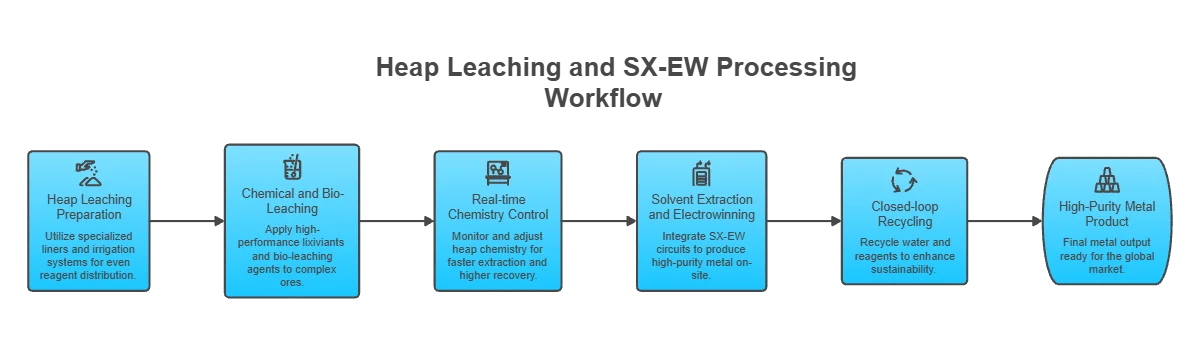 The integration of solvent extraction and electrowinning (SX-EW) circuits allows for the production of high-purity metal products directly at the mine site, bypassing the need for expensive smelting. This localized processing model is particularly beneficial for low-grade operations in remote areas where logistical costs are high. The ability to produce a finished product on-site improves the project’s margins and reduces the environmental risks associated with transporting concentrates over long distances. As the industry continues to refine these hydrometallurgical techniques, the scope for processing low-grade ores will expand, providing a reliable source of metals for the global market. The focus on improving mineral recovery rates through advanced processing technologies is a central theme in these developments, ensuring that even the most marginal resources can be treated effectively. The use of closed-loop systems also ensures that water and reagents are recycled, further enhancing the sustainability of the leaching process.
Energy Efficiency in Comminution Circuits
Comminution is the most energy-intensive stage of mineral processing, often accounting for more than half of the total electricity consumed at a mine site. For low-grade operations, the cost of grinding can be a deciding factor in the project’s feasibility. Improving the efficiency of crushing and grinding circuits is therefore a top priority for mill managers. High-pressure grinding rolls (HPGR) and vertical stirred mills offer a more energy-efficient alternative to traditional ball mills and semi-autogenous grinding (SAG) mills. These technologies use inter-particle breakage and fine grinding mechanisms to reduce the ore to the required size with significantly less power. By optimizing the particle size distribution of the feed, operators can also improve the performance of downstream flotation and leaching stages. The reduction in energy consumption directly translates into a lower carbon footprint for the mining operation, aligning with global climate goals.
The use of advanced process control systems allows for real-time adjustments to mill settings based on the hardness and mineralogy of the incoming ore. These systems use data from vibration sensors, acoustics, and power consumption meters to maintain the mill at its peak performance. This precision minimizes the occurrence of over-grinding, which not only wastes energy but can also lead to the production of fine slimes that are difficult to recover. By maintaining a stable and efficient grinding circuit, mining companies can lower their operational costs and improve the overall throughput of the plant. This focus on energy management is a critical aspect of the strategy for processing low-grade ores as it directly addresses one of the largest cost components of the mining value chain. The adoption of these efficient technologies is becoming standard practice in the industry as operators seek to maximize the value of their resource base while minimizing their environmental impact.
Long-Term Asset Management and Sustainability
The development of low-grade deposits requires a long-term perspective on asset management and environmental stewardship. Large-scale operations often have lives spanning several decades, requiring ongoing investment in infrastructure and maintenance. Establishing a proactive maintenance strategy for critical machinery helps to minimize unplanned downtime and extend the life of the equipment. Additionally, the focus on water management and tailings disposal has become an integral part of the project’s social license to operate. Efficient dewatering systems and the use of thickened or dry stack tailings can reduce the physical footprint of the operation and lower the risks associated with tailings dam failures. These sustainability efforts are essential for gaining the support of local communities and regulatory authorities.
The transition to a circular economy model is also influencing the way mining companies approach low-grade resources. Recovering valuable minerals from legacy tailings dams and waste rock piles provides an opportunity to generate additional revenue while remediating historical environmental impacts. This requires specialized processing techniques that can handle fine material with low concentrations of target minerals. By viewing waste as a potential resource, the industry can improve its overall efficiency and reduce its long-term liabilities. The successful integration of technical excellence with strategic planning is the foundation for processing low-grade ores in a responsible and profitable manner. This holistic approach ensures that the mining sector can continue to provide the raw materials needed for modern society while minimizing its environmental footprint and maximizing the value of the Earth’s mineral resources. The ongoing evolution of processing technology will continue to expand the definition of what constitutes an ore, ensuring the continued viability of the global mining industry.