







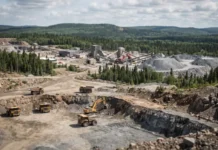
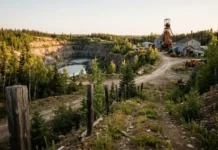

The global push for a low-carbon economy has significantly increased the demand for specialty metals and rare earth elements, many of which are found in low concentrations in traditional ore bodies. As primary deposits become more difficult to exploit, the industry is increasingly turning its attention toward legacy tailings dams and processing waste as a potential source of these essential materials. Recovering critical minerals from these historical assets offers a dual benefit: it provides a stable supply of high-value metals while addressing long-standing environmental liabilities. This transition requires the application of advanced metallurgical techniques and a sophisticated understanding of mineral chemistry to extract value from material that was previously considered waste. By integrating these recovery processes into the broader mining value chain, companies can improve their resource efficiency and enhance their overall sustainability.
Geological and Chemical Characterization of Waste Streams
The first step in recovering critical minerals from mine tailings is a detailed geological and chemical characterization of the waste material. Tailings are not a homogeneous material; they exhibit high levels of variability depending on the original ore type and the processing methods used at the time of their creation. This requires a comprehensive sampling and assaying program to identify the specific minerals present and their distribution within the tailings facility. Modern analytical tools, such as automated mineralogy and X-ray diffraction, provide a high level of detail on the mineral associations and liberation characteristics of the target elements. This information is vital for designing an effective recovery circuit that can handle the specific challenges of the waste material.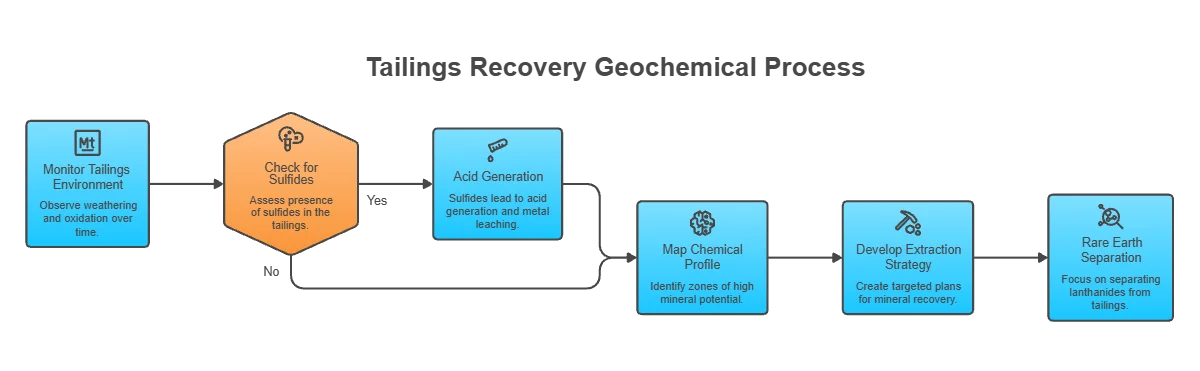 The chemical environment within a tailings dam can also change over time due to weathering and oxidation, which may impact the solubility and recovery of certain minerals. For instance, the presence of sulfides can lead to acid generation, which can leach metals into the surrounding environment or change their chemical state. Understanding these long-term geochemical processes is essential for ensuring the safety and effectiveness of the recovery operation. By mapping the chemical profile of the tailings, operators can identify zones of high potential and develop targeted extraction strategies. This detailed observation is a necessary part of the broader effort to realize value from processing waste and secure the raw materials needed for modern technology. The focus on rare earth separation technologies and the push for diversified refining capacity is often a critical component of these recovery projects, as many tailings contain significant quantities of lanthanides that were previously bypassed.
Advanced Metallurgical Techniques for Waste Recovery
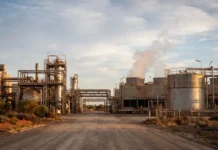
Successfully recovering critical minerals from tailings requires the application of specialized metallurgical techniques that can handle fine-grained materials with low metal concentrations. Traditional gravity separation and flotation are often used as a primary concentration step, but these may need to be supplemented with more advanced methods such as leaching, ion exchange, and solvent extraction. Hydrometallurgical circuits are particularly effective for treating tailings because they can be tailored to target specific elements with high selectivity. Innovations in reagent chemistry, such as the use of specialized collectors and lixiviants, have improved the recovery levels of metals like cobalt, lithium, and rare earths from waste streams. These technical advancements are essential for making recovery projects economically viable in a wider range of geographical settings.
In addition to chemical extraction, the use of biological leaching is gaining momentum as a low-energy and environmentally friendly alternative for treating mineral waste. Certain microorganisms can selectively dissolve metals from ores and tailings, offering a sustainable way to recover value from low-grade resources. This approach is particularly beneficial for treating refractory minerals that are difficult to process through traditional methods. The precision of these biological systems allows for the targeted recovery of high-value elements without the need for the massive infrastructure associated with large-scale smelting. As the industry looks for ways to improve its resource efficiency, the role of advanced metallurgy in waste recovery will continue to expand. By combining these innovative techniques with optimized processing circuits, mining companies can maximize the value realized from every ton of material moved.
Economic and Environmental Drivers for Tailings Reprocessing
The reprocessing of mine tailings is driven by a combination of economic potential and environmental necessity. For many mining companies, historical tailings dams represent a significant liability, requiring ongoing monitoring and maintenance to prevent dam failures or environmental contamination. By recovering valuable minerals and simultaneously remediating the waste material, operators can reduce their long-term liabilities and lower their operational costs. The revenue generated from the sale of recovered metals can often offset the costs of the remediation effort, making these projects financially attractive. Additionally, the ability to produce metals from waste reduces the need for new mining output, contributing to the overall sustainability of the industry.
The focus on circular economy principles is also driving changes in the way the mining sector approaches waste management. Recovering minerals from tailings is a prime example of turning a liability into a resource, providing a stable supply of materials for the energy transition. This transition is supported by a growing network of industrial sensors and data analytics that allow for the real-time monitoring and optimization of recovery processes. By tracking key performance indicators such as recovery rates and energy consumption, management can drive continuous improvement and demonstrate their commitment to responsible resource stewardship. The integration of these projects into the broader mining landscape is essential for meeting the dual challenges of resource scarcity and environmental protection. As these technologies become more accessible, the gap between forward-thinking companies and those relying on traditional methods will continue to widen.
Infrastructure and Logistical Challenges
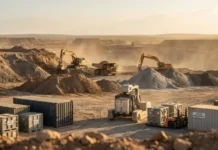
Building the infrastructure needed for the large-scale recovery of minerals from tailings involves several logistical and technical challenges. Tailings facilities are often located in remote areas with limited access to power and water, requiring significant investment in support infrastructure. Additionally, the material itself can be difficult to handle, requiring specialized dredging or hydraulic mining systems to transport the slurry to the processing plant. The design of these facilities must account for the specific characteristics of the tailings, including their particle size distribution and chemical composition. Investing in high-quality materials and automated control systems is necessary to ensure the longevity of the equipment and the safety of the workforce. The proximity of processing facilities to the tailings site is a critical factor in the economics of recovery projects. Minimizing the distance that material is transported can result in substantial savings in fuel and maintenance costs. Many operators are exploring the use of modular mineral processing plants for faster mining project development, offering a flexible and cost-effective way to deploy recovery circuits at remote locations. These units can be quickly assembled and moved between different tailings sites as the resource base evolves. This modularity is particularly beneficial for processing multiple waste streams or for remediating smaller historical sites. By aligning technical excellence with strategic planning, mining companies can overcome these logistical hurdles and secure their supply of critical minerals from processing waste. The ongoing development of this infrastructure is essential for building a more resilient and distributed industrial base.
Strategic Planning and Future Outlook
The successful recovery of critical minerals from tailings requires a long-term perspective on asset management and resource efficiency. Companies must invest in the technical expertise and research needed to support these projects and ensure their consistent performance over the life of the operation. This involves ongoing collaboration between metallurgists, environmental scientists, and financial analysts to develop robust business cases for waste recovery. By building a culture of innovation and data-driven decision-making, mining companies can maximize the value of their historical assets and provide a stable supply of materials for the global market. The strategic importance of tailings reprocessing will only increase as the industry moves toward more sustainable production models and faces more stringent environmental requirements.
The transition to a more resource-efficient mining sector is a key component of the broader effort to address global climate goals. Recovering minerals from waste provides an opportunity to reduce the environmental footprint of the industry while meeting the rising demand for the building blocks of a cleaner future. This requires a coordinated approach that encompasses technical innovation, strategic planning, and a deep understanding of global market trends. As the industry continues to evolve, the ability to effectively combine primary production with the recovery of valuable elements from waste will be a defining characteristic of the most successful mining operations. This holistic approach to resource management ensures that the mining sector can continue to provide the raw materials needed for modern society in a responsible and sustainable manner. The continued evolution of recovery technology will play a vital role in shaping the future of the industry, driving gains in productivity, recovery, and environmental performance.