









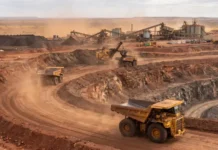


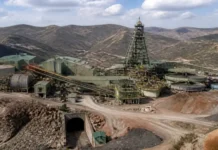
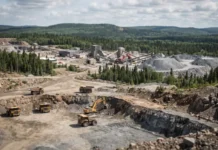

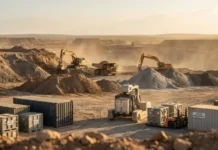
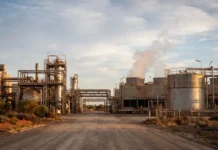
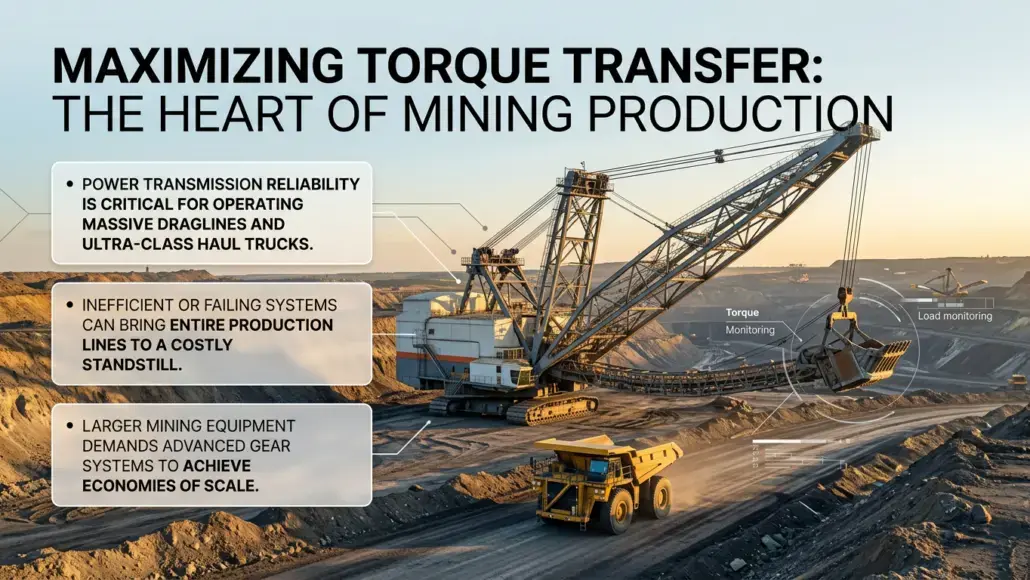

The operation of massive mining machinery, from multi-story draglines to ultra-class haul trucks, depends fundamentally on the ability to transmit enormous amounts of torque with absolute reliability. Power transmission is the mechanical heart of these assets, and any inefficiency or failure in this system can bring an entire production line to a standstill. As the industry moves toward larger equipment to achieve economies of scale, the demands on heavy-duty gear systems have reached unprecedented levels. These systems must manage extreme loads while operating in environments saturated with abrasive dust, extreme temperature fluctuations, and high levels of vibration. Consequently, the design and maintenance of these gear assemblies have become critical focal points for mining engineers seeking to maximize uptime and operational safety.
Modern transmissions are more than just a collection of rotating components; they are highly engineered systems that integrate advanced metallurgy, precision manufacturing, and sophisticated monitoring technologies. The shift toward higher power densities means that gears are carrying more load per unit of surface area than ever before. This requires a holistic approach to system design, where every variable, from the tooth profile to the lubrication chemistry, is optimized for the specific challenges of the mine site. By investing in superior heavy-duty gear systems, operators can ensure that their equipment delivers consistent performance even under the most grueling duty cycles, protecting their capital investment and ensuring a steady flow of material from the face to the processing plant.
Optimizing Mechanical Efficiency in High-Torque Mining Applications
Efficiency in power transmission is directly linked to the overall energy consumption and productivity of the mine. In high-torque applications, even a small percentage of power loss due to friction or heat can result in significant increases in fuel or electricity costs over the life of the machine. Heavy-duty gear systems are designed to minimize these losses through the use of optimized tooth geometries and high-precision finishing techniques. Ground gear teeth, for example, provide a smoother contact surface compared to traditional cut gears, reducing friction and the subsequent generation of heat. This not only improves efficiency but also reduces the thermal stress on the oil and seals, further enhancing the reliability of the entire assembly.
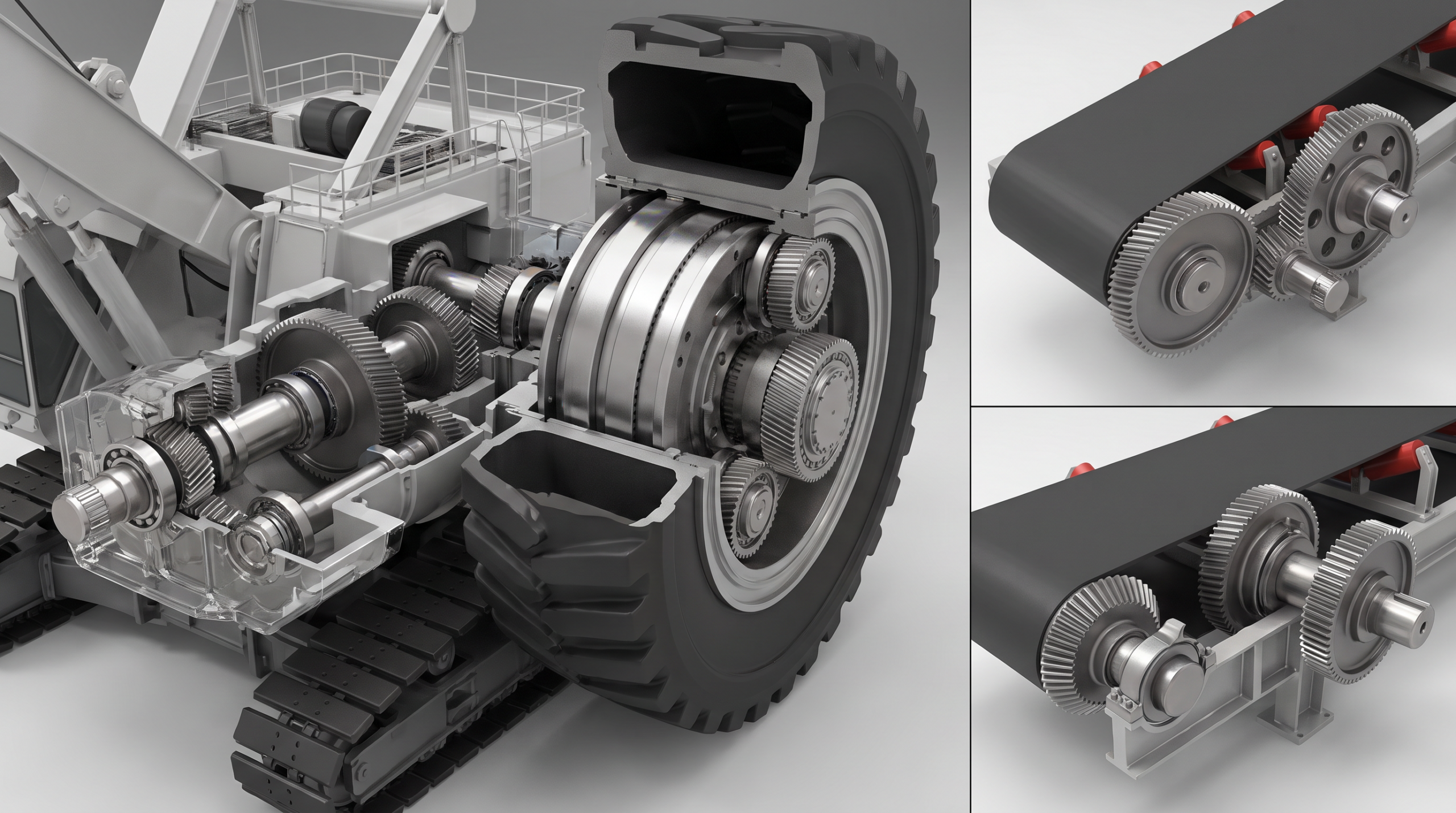
The architectural choice of the gearbox also plays a vital role in efficiency. Planetary gear systems are increasingly favored in mining for their high power density and ability to handle immense torque in a relatively compact footprint. By distributing the load across multiple planet gears, these systems reduce the stress on individual components, allowing for a more efficient transmission of power. This load-sharing capability is essential for the drive systems of large-scale conveyor belts and the final drives of tracked excavators, where sudden load spikes are common. The inherent balance of planetary designs also contributes to smoother operation and reduced vibration, which are critical for the longevity of the surrounding structural components.
Beyond this, the integration of high-efficiency bearings and seals within these systems ensures that as much power as possible is delivered to the output shaft. Modern labyrinth seals, for instance, provide excellent protection against the ingress of contaminants without the high frictional drag associated with traditional lip seals. These small design details, when aggregated across a complex transmission system, contribute to a significant improvement in the mechanical efficiency of the machine. As mining companies face increasing pressure to reduce their carbon footprint and operational costs, the role of high-performance heavy-duty gear systems as a driver of energy efficiency will continue to grow.
Material Selection and Heat Treatment for Planetary Gear Reliability
The reliability of a gearbox is fundamentally determined by the quality of the materials used in its construction. In the mining sector, gear components are typically forged from high-alloy steels that offer a combination of surface hardness and core toughness. This “dual-property” requirement is essential for withstanding the intense surface pressures of tooth contact while absorbing the shock loads that occur during digging or hauling operations. The manufacturing process for heavy-duty gear systems involves multiple stages of heat treatment, including carburizing and nitriding, to create a hard, wear-resistant outer layer that protects the underlying material from fatigue.
The stability of these gear housings is further secured by the use of fatigue-resistant fasteners, which prevent the vibration-induced loosening that can lead to catastrophic misalignment of internal components. Proper alignment is critical, as even a few microns of deviation can cause uneven tooth loading, leading to localized pitting and rapid surface degradation. By ensuring that the gearbox remains a rigid and stable assembly, operators can prevent the “micro-movements” that often lead to the premature failure of bearings and gears. This synergy between internal gear quality and external structural integrity is a hallmark of world-class transmission engineering.
In addition, the advancement of material science has led to the development of specialized coatings that can be applied to gear teeth to further reduce friction and wear. These treatments, such as tungsten carbide or diamond-like carbon (DLC), provide an additional layer of protection in extreme boundary lubrication conditions. While these technologies represent an additional investment, their ability to prevent surface distress during start-stop cycles or low-speed, high-load operations makes them invaluable for the most demanding mining applications. The continuous evolution of these materials ensures that heavy-duty gear systems remain capable of meeting the ever-increasing demands of global mineral production.
Advanced Lubrication and Cooling Strategies for Transmission Longevity
Lubrication is the lifeblood of any gear system, and in mining, it must perform under the most challenging conditions imaginable. The lubricant must not only reduce friction and wear but also carry away heat and transport contaminants to a filtration system. Advanced heavy-duty gear systems utilize sophisticated lubrication circuits that ensure a constant supply of clean, cool oil to all critical contact points. This often involves the use of variable-speed pumps that adjust the flow rate based on the load and temperature of the gearbox, ensuring optimal performance at all times.
- Synthetic lubricants offer superior thermal stability and higher viscosity indices compared to mineral-based oils.
- Multi-stage filtration systems remove sub-micron particles that can cause abrasive wear on gear teeth and bearings.
- Offline “kidney loop” filtration systems allow for continuous oil cleaning without interrupting machine operation.
- Active cooling systems using air-to-oil or water-to-oil heat exchangers maintain optimal operating temperatures.
Cooling is equally critical, as excessive heat is one of the primary causes of lubricant degradation and seal failure. High-performance gearboxes often feature integrated cooling jackets or external heat exchangers to manage the thermal energy generated during high-load operations. By keeping the oil within a narrow temperature range, these systems prevent the oxidation of the lubricant, ensuring that its protective properties are maintained over a longer service life. This reduces the frequency of oil changes and the associated maintenance costs, while providing a significant safety margin against overheating and subsequent mechanical failure.
Diagnosis and Monitoring of Vibration in Primary Drive Assemblies
Proactive maintenance of transmission systems is increasingly dependent on the analysis of vibration data. Every rotating component within a gearbox generates a unique vibration signature, and changes in this signature can provide early warning of developing faults such as gear tooth damage, bearing wear, or shaft misalignment. Modern heavy-duty gear systems are often equipped with permanent vibration sensors that provide continuous data to an on-board monitoring system. This allows maintenance teams to identify and address issues long before they lead to a functional failure, shifting the maintenance paradigm from reactive to predictive.
Vibration analysis is particularly effective in identifying “incipient” failures, which are faults that are just beginning to develop. By monitoring the frequency and amplitude of specific vibration peaks, engineers can determine which component is failing and estimate its remaining useful life. This level of insight allows for the strategic scheduling of repairs during planned shutdowns, avoiding the massive costs associated with an emergency breakdown in the middle of a production cycle. In a sector where every minute of downtime counts, the value of continuous vibration monitoring cannot be overstated.
In addition to vibration, oil analysis remains a cornerstone of gearbox diagnostics. By analyzing the metal particles and chemical composition of the lubricant, technicians can gain a detailed understanding of the wear occurring within the system. High levels of iron or chromium, for example, can indicate gear tooth wear, while the presence of copper might point toward bearing degradation. When combined with vibration data, oil analysis provides a comprehensive picture of the gearbox’s health, allowing for highly informed maintenance decisions that maximize the reliability and performance of the mine’s most critical assets.
Strategic Integration of Digital Twins in Gearbox Maintenance
The cutting edge of power transmission management involves the use of “Digital Twins,” which are virtual representations of the physical gearbox. These models use real-time data from on-board sensors to simulate the performance and wear of the gear system under actual operating conditions. By comparing the physical machine’s performance to the digital model, engineers can identify subtle deviations that may indicate a developing problem. This allows for a much more nuanced understanding of machine health than traditional threshold-based alarms, enabling even earlier intervention and more precise maintenance.
Digital twins also allow for “what-if” scenario testing, where engineers can simulate the impact of changes in operating parameters or maintenance schedules. For example, a mine manager could use the digital twin to determine the impact of increasing the speed of a conveyor belt on the lifespan of its drive gearbox. This data-driven approach to operational decision-making ensures that the equipment is used to its full potential without exceeding its mechanical limits. As the mining industry continues to embrace digital transformation, the integration of these sophisticated models will become a standard feature of high-performance heavy-duty gear systems.
Ultimately, the goal of these advanced technologies is to ensure that the power generated by the engine or motor is delivered to the ground or the material with maximum efficiency and minimum risk. The evolution of heavy-duty gear systems from simple mechanical assemblies to intelligent, monitored systems is a reflection of the mining industry’s broader shift toward technological sophistication. By embracing these advancements, mining operators can meet the challenges of the future with confidence, knowing that their most critical drive systems are built to endure and perform in the most demanding environments on Earth.