







The integration of digital technology into mineral processing has moved beyond simple automation to the application of advanced artificial intelligence and machine learning algorithms. These tools are redefining the boundaries of operational efficiency by allowing for the processing of vast amounts of data in real-time to identify patterns and optimize circuit performance. Achieving consistent processing plant optimization is essential for mining companies looking to remain competitive in an environment characterized by declining ore grades and rising energy costs. By moving from reactive management to proactive, data-driven decision-making, operators can maximize the recovery of valuable minerals while minimizing waste and energy consumption. This analytical shift is supported by a growing network of industrial sensors and high-speed communication infrastructure that provides a detailed view of the entire processing value chain.
Real-Time Data Acquisition and Analysis
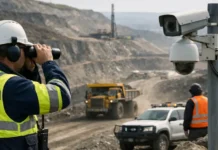
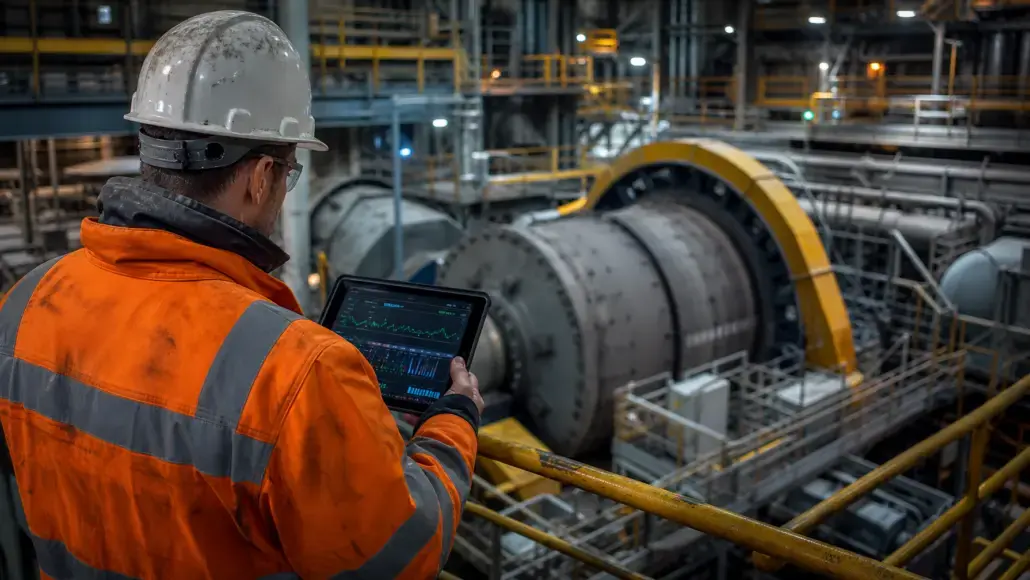
Modern processing plants are equipped with thousands of sensors that monitor everything from slurry density and particle size to motor temperatures and vibration levels. Historically, much of this data was used only for basic monitoring or stored in databases without being fully analyzed. The application of machine learning allows for the synthesis of these disparate data streams into a coherent understanding of the plant’s performance. By identifying correlations between different variables, AI systems can predict how changes in one part of the circuit will affect downstream recovery levels. This real-time analysis enables operators to make immediate adjustments to process parameters, ensuring that the plant operates at its peak efficiency regardless of fluctuations in the incoming ore quality. The speed at which these systems can process information far exceeds the capabilities of human operators, providing a significant advantage in managing complex metallurgical circuits.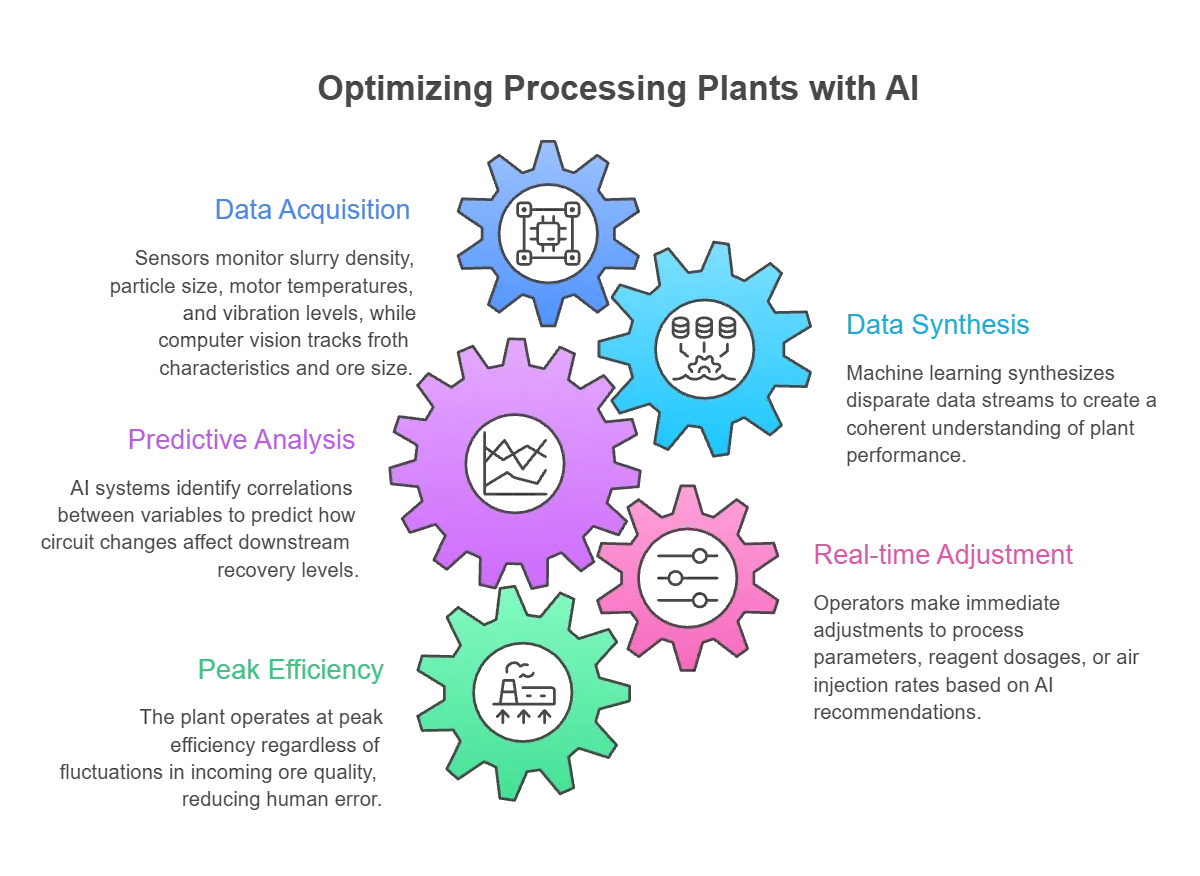 The use of computer vision technology is also playing a critical role in data acquisition. High-resolution cameras and image analysis algorithms are used to monitor the characteristics of the froth in flotation cells or the size distribution of ore on a conveyor belt. By analyzing the color, texture, and stability of the froth, AI systems can provide an objective assessment of the flotation performance and recommend changes to reagent dosages or air injection rates. This level of precision is particularly important when dealing with complex ores where subtle changes in mineralogy can have a major impact on recovery. The continuous nature of these digital observations ensures that the plant is always being monitored, reducing the risk of human error and providing a stable foundation for processing plant optimization. As these systems become more sophisticated, they will be able to incorporate historical data to improve their predictive capabilities over time.
Predictive Maintenance for Critical Machinery
Equipment failure is one of the most significant causes of unplanned downtime and lost production in a mineral processing plant. Traditional maintenance strategies often rely on fixed schedules or reactive repairs, which can lead to either unnecessary work or catastrophic failures. Machine learning algorithms can analyze data from vibration sensors, acoustics, and power consumption to identify early signs of wear and tear in critical machinery such as crushers, mills, and pumps. By predicting when a component is likely to fail, maintenance teams can schedule repairs during planned shutdowns, minimizing the impact on overall production. This proactive approach not only reduces maintenance costs but also extends the life of the assets and improves the safety of the workforce.
The ability to monitor the health of equipment in real-time also allows for the optimization of operating parameters to prevent damage. For instance, if an AI system detects unusual vibration in a ball mill, it can automatically reduce the feed rate or adjust the mill speed to prevent further wear until the issue can be addressed. This dynamic management of machine health is a key component of processing plant optimization, as it ensures that the physical infrastructure of the plant is used as efficiently as possible. The integration of maintenance data with production data also allows for a more holistic view of the plant’s performance, identifying how different operating scenarios affect the longevity of the equipment. Over time, these insights can be used to inform the design of future facilities and the selection of more reliable machinery.
Advanced Process Control and Loop Optimization
Advanced Process Control (APC) systems have been used in mining for decades, but the addition of AI and machine learning has significantly enhanced their capabilities. Traditional control loops often operate in isolation, focusing on maintaining a single variable such as a tank level or a flow rate. Machine learning allows for the optimization of multiple control loops simultaneously, accounting for the complex interactions between different parts of the circuit. These multi-variable control systems can stabilize the plant’s performance by identifying the optimal settings for dozens of variables at once. This results in more consistent production levels and a reduction in the variability of the final concentrate grade. The ability to maintain a steady state is essential for maximizing the efficiency of energy-intensive processes like grinding and smelting.
The optimization of reagent dosing is another area where AI is delivering significant benefits. By analyzing the elemental composition of the incoming ore in real-time, machine learning algorithms can calculate the precise amount of collector or frother required to maximize recovery. This reduces the waste of expensive chemicals and minimizes the environmental impact of the process water. Similarly, AI-driven control of energy-intensive equipment can help to reduce peak demand and lower overall electricity costs. By aligning the plant’s operation with the most efficient energy profiles, mining companies can improve their margins while contributing to global sustainability goals. These incremental improvements in control and efficiency are the building blocks of a successful strategy for processing plant optimization, providing a competitive edge in a crowded market.
Digital Twins and Simulation Modeling
A digital twin is a virtual replica of a physical processing plant that can be used to simulate different operating scenarios and test the impact of process changes. By integrating real-time operational data with mathematical models of the metallurgical processes, digital twins provide a powerful tool for experimentation and optimization. Metallurgists can use these models to identify bottlenecks, test new reagent suites, or evaluate the impact of changing the circuit configuration without risking actual production. This capability accelerates the pace of innovation and allows for the rapid deployment of optimized strategies across multiple sites. Digital twins also provide a valuable tool for training new operators, allowing them to gain experience in a safe and controlled environment.
The use of simulation modeling is particularly beneficial when planning for the development of new ore bodies or the transition to processing low-grade ores to improve mining project economics. By simulating the performance of the plant under different ore characteristics, mining companies can identify the most effective processing route and design the infrastructure accordingly. This reduces the risk associated with project development and ensures that the facility is optimized for the specific mineralogy of the deposit from day one. As the plant operates, the digital twin is continuously updated with new data, ensuring that the model remains accurate and relevant. This ongoing refinement of the digital replica allows for the continuous improvement of the physical plant, driving long-term gains in efficiency and recovery.
Workforce Evolution in the Digital Mine
The shift toward a data-driven processing plant requires a significant evolution in the skills and roles of the workforce. While traditional metallurgical expertise remains essential, there is an increasing demand for professionals who can manage and interpret the vast amounts of data generated by AI and machine learning systems. This involves a collaborative effort between data scientists, software engineers, and plant operators to ensure that digital tools are integrated effectively into daily operations. The role of the plant operator is moving away from manual control to the supervision of automated systems, requiring a deeper understanding of the underlying algorithms and the ability to intervene when the system encounters unusual conditions.
Investing in training and development is vital for ensuring that the workforce can adapt to these changes. Many mining companies are establishing centers of excellence where operators can learn how to use digital twins and advanced analytics to improve plant performance. This focus on human capital is a necessary part of any successful digital transformation. By empowering employees with the tools and knowledge to drive innovation, mining companies can create a culture of continuous improvement that is essential for processing plant optimization. The integration of digital technology is not about replacing human expertise but about enhancing it, providing the insights and data needed to make better decisions and achieve superior results. As the industry continues to evolve, the ability to effectively combine technical excellence with digital innovation will be a defining characteristic of the most successful mining operations. This evolution ensures that the sector remains a vital part of the global economy, providing the materials needed for the future in a responsible and efficient manner.