








The strategic importance of rare earth elements in the modern industrial economy cannot be overstated, yet the complexity of their chemical properties remains a major barrier to efficient production. Establishing diverse and technologically advanced rare earth separation facilities is essential for securing the global supply chain and supporting the manufacturing of high-tech components. This challenge involves more than just increasing mining output; it requires a sophisticated approach to metallurgical engineering that can handle the unique similarities between various lanthanide elements. By investing in innovative extraction and purification techniques, mining operators and chemical processors can improve their yields while reducing the environmental footprint of their operations. The pursuit of refined products is a central theme in the effort to build industrial resilience in a volatile market characterized by shifting trade policies and increasing demand for green technologies.
Chemical Complexity of Lanthanide Separation
The separation of rare earth elements is inherently difficult because these minerals share very similar chemical and physical properties, leading them to occur together in the same ore bodies. Traditional methods rely on multi-stage solvent extraction, where the mineral stream is passed through hundreds of individual cells to progressively isolate specific elements. This process is both capital-intensive and time-consuming, requiring the use of large volumes of chemical reagents and energy. The efficiency of the separation circuit depends on the selectivity of the extractants used, which must be carefully matched to the mineralogy of the feed. Recent advancements in the development of specialized organic molecules have improved the separation factors for heavy rare earths, allowing for more precise isolation of elements like dysprosium and terbium. These improvements are vital for the production of high-performance magnets used in electric vehicles and wind turbines.
In addition to traditional solvent extraction, the industry is exploring the use of alternative chemical pathways to simplify the rare earth separation process. Ion exchange chromatography and membrane-based separation offer the potential for higher purity levels with a smaller physical footprint. These technologies are particularly beneficial for processing lower-grade concentrates or for recovering elements from complex byproduct streams. The precision of these systems allows for the targeted recovery of high-value elements without the need for the massive infrastructure associated with large-scale extraction plants. As the demand for specific rare earth elements continues to grow, the ability to adapt separation circuits to different feed materials will be a significant competitive advantage. The focus on chemical innovation is essential for making rare earth separation more economically viable in a wider range of geographical locations, supporting the push for diversified refining capacity.
Infrastructure Requirements for Modern Refining Facilities
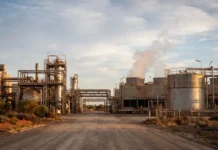
Building a modern rare earth separation plant requires a high level of technical expertise and a significant investment in specialized infrastructure. These facilities must be equipped with advanced automated control systems to manage the complex chemical flows and ensure the consistency of the final product. The use of corrosion-resistant materials and sophisticated waste management systems is also necessary to handle the concentrated acids and hazardous byproducts generated during the refining process. Designing these plants involves a holistic view of the entire production chain, from the initial leaching of the ore to the final packaging of high-purity oxides. The integration of real-time monitoring tools allows operators to identify and resolve process inefficiencies as they occur, maintaining the required purity levels and maximizing recovery.
Access to reliable energy and water supplies is another critical factor in the feasibility of rare earth refining projects. Many separation processes are energy-intensive, requiring steady power for heating, pumping, and chemical regeneration. Establishing these facilities in regions with a stable regulatory environment and proximity to skilled labor is vital for ensuring their long-term viability. Furthermore, the ability to manage the environmental impact of the process is a key component of the social license to operate. Mining and chemical companies must demonstrate their commitment to sustainable practices through the implementation of closed-loop water systems and secure tailings disposal. By aligning technical excellence with strategic planning, operators can secure their refining capacity and provide a stable supply of materials for the global market. The ongoing development of this infrastructure is essential for reducing the concentration of processing in a few specific regions, creating a more resilient and distributed industrial base.
Technological Innovations in Extraction and Purification
The evolution of rare earth separation technology is being driven by the need for more efficient and environmentally friendly processing methods. One promising area of research is the use of bio-metallurgy, where microorganisms are used to selectively leach and separate rare earth elements from ores and waste materials. This approach offers a lower-energy alternative to traditional chemical methods and can be used to treat lower-grade feeds that would otherwise be uneconomic. Additionally, the development of continuous ion exchange systems allows for the processing of larger volumes of material with higher precision and lower reagent usage. These technical advancements are essential for making refining projects economically viable in jurisdictions with higher operational costs.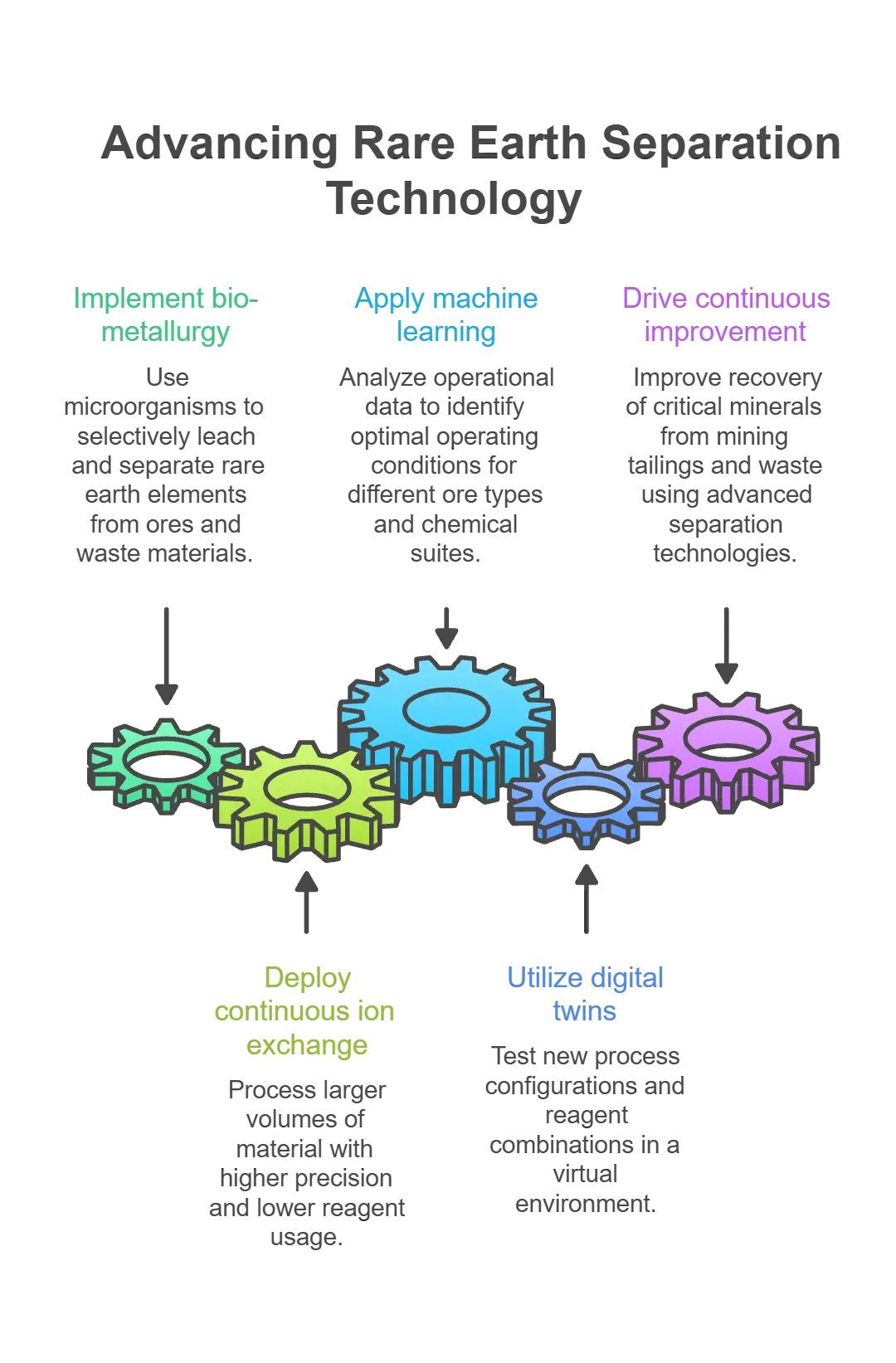
The adoption of digital tools, such as machine learning and simulation modeling, is also transforming the way rare earth separation circuits are optimized. By analyzing vast amounts of operational data, AI systems can identify the optimal operating conditions for different ore types and chemical suites. This results in more stable production levels and a reduction in the variability of the final product. The use of digital twins allows metallurgists to test new process configurations and reagent combinations in a virtual environment, accelerating the pace of innovation and reducing the risk associated with physical plant modifications. These digital capabilities are becoming a standard part of the modern refining facility, providing the insights needed to drive continuous improvement. As the industry looks for ways to improve its recovery of critical minerals from mining tailings and waste, these advanced separation technologies will play a vital role.
Environmental Stewardship and Regulatory Compliance
Operating a rare earth separation facility involves adhering to some of the most stringent environmental regulations in the industrial sector. The management of radioactive elements, such as thorium and uranium, which often occur with rare earth minerals, requires sophisticated containment and disposal systems. Companies must work closely with regulatory authorities to ensure that their operations meet all safety and environmental standards. This includes the implementation of rigorous monitoring programs for air and water quality and the development of long-term reclamation plans for processing sites. The cost of compliance is high, but it is a necessary part of ensuring the sustainability of the industry and gaining the trust of stakeholders.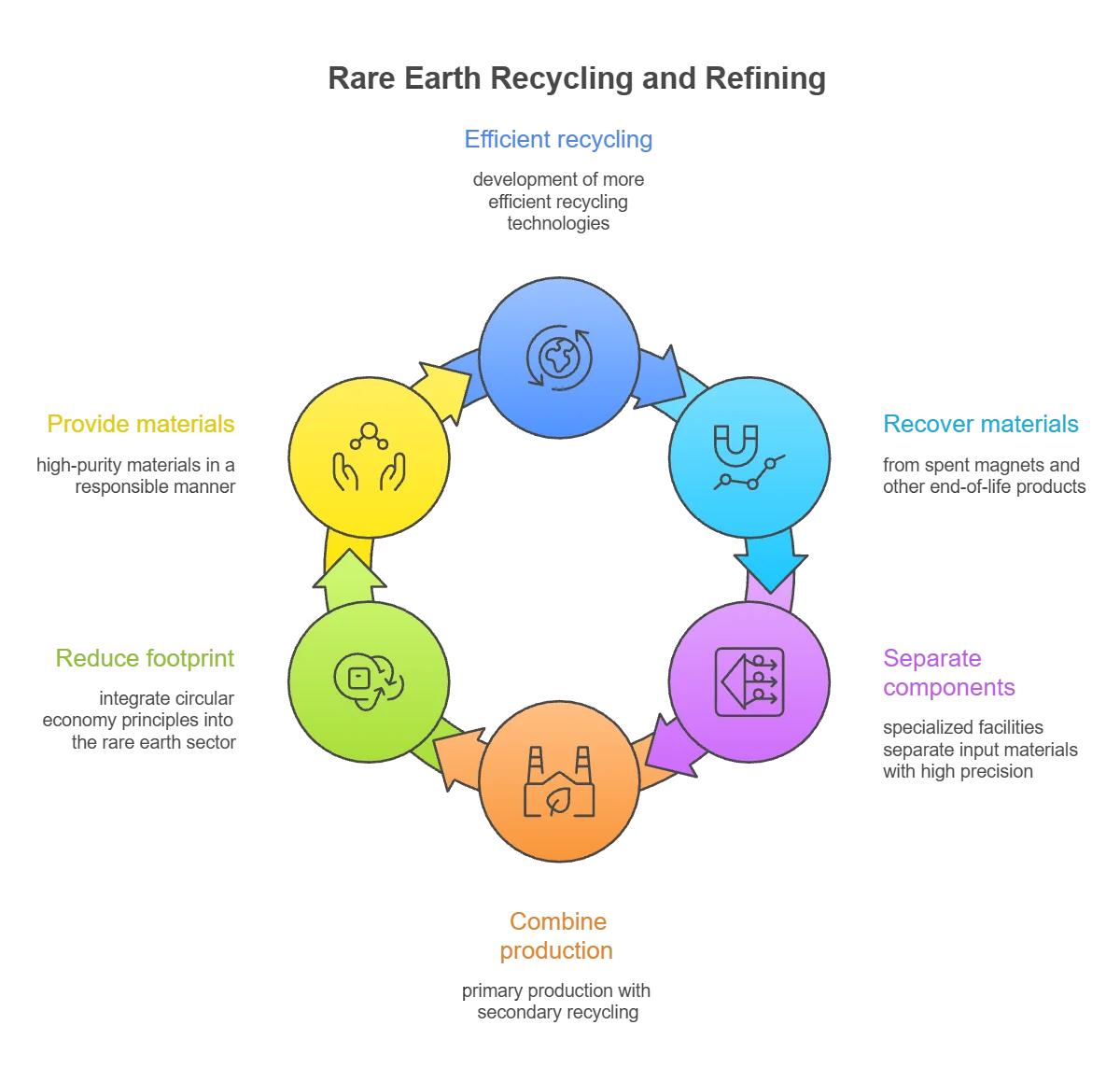
The focus on sustainability is also driving the development of more efficient recycling technologies for rare earth elements. Recovering minerals from spent magnets and other end-of-life products can provide a stable and low-impact source of materials. This requires specialized facilities that can handle a variety of input materials and separate them into their constituent components with high precision. By combining primary production with secondary recycling, refiners can create a more resilient supply chain that is less dependent on new mining output. The integration of circular economy principles into the rare earth sector is a key component of the broader effort to reduce the environmental footprint of modern technology. As the world moves toward a cleaner future, the ability to provide high-purity materials in a responsible manner will be a major differentiator for successful refining operations.
Strategic Diversification of the Global Supply Chain
The current concentration of rare earth refining capacity has created a vulnerability that many nations are now working to address. Establishing new separation facilities in diverse geographical locations is essential for ensuring the security of the global supply chain. This diversification strategy involves supporting the development of regional industrial hubs that can provide the necessary infrastructure and expertise for high-purity refining. Collaborative efforts between governments and the private sector are vital for overcoming the high entry barriers and capital intensity of these projects. By investing in domestic refining capacity, nations can reduce their reliance on imported materials and protect their industrial interests in the face of geopolitical uncertainty.
The move toward a more distributed refining base also allows for the integration of regional sustainability standards and ethical sourcing practices. Manufacturers are increasingly demanding transparency regarding the provenance of their raw materials, and regional refining can provide the verification needed to meet these requirements. The continued focus on rare earth separation will remain a defining feature of the industrial sector for decades to come as the race to secure the building blocks of the modern world intensifies. Managing the complex interdependencies between mining, processing, and manufacturing requires a proactive approach to risk management and a long-term commitment to technical innovation. By building a resilient and diverse refining base, the global community can ensure that the materials needed for the energy transition are available when and where they are required, supporting a sustainable and prosperous future for all.