







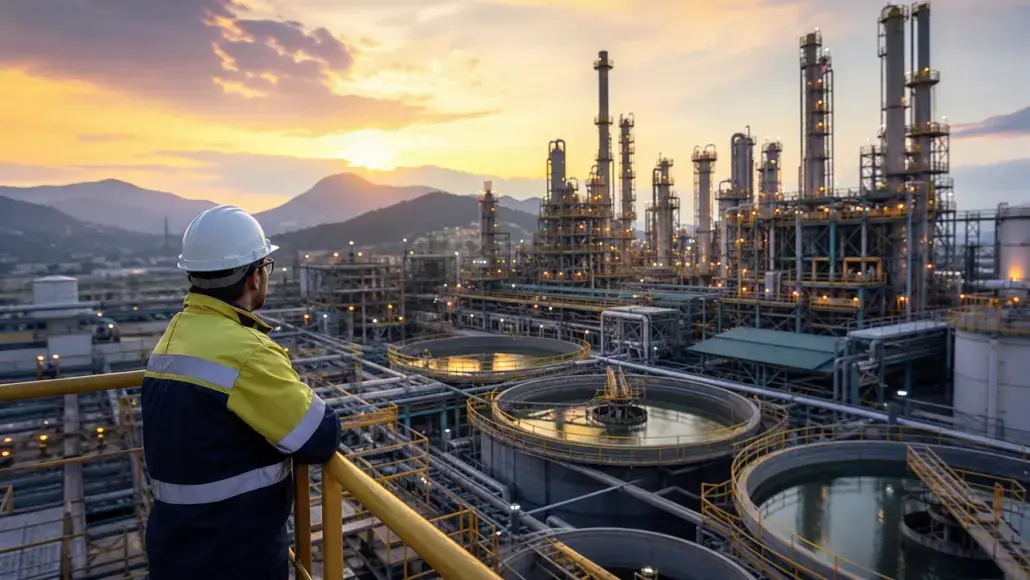

The transition toward a low-carbon global economy has placed an unprecedented focus on the availability of specialty metals and rare earth elements. While mining production for these commodities is expanding, the midstream processing and purification stages remain a significant bottleneck. Developing sufficient critical mineral refining capacity is essential to ensure that raw materials extracted from the ground can be converted into the high-purity forms required by the battery, aerospace, and defense sectors. This challenge is not merely about increasing volume but also about establishing a geographically diverse and technologically advanced industrial base. As nations seek to secure their industrial futures, the emphasis on refining infrastructure has moved to the forefront of strategic planning, requiring significant capital investment and technical expertise to overcome existing dependencies. The complexity of these processes requires a sophisticated understanding of metallurgy and chemical engineering, as well as a long-term commitment to infrastructure development.
Geopolitical Realities of Mineral Processing
The current concentration of critical mineral refining in a few specific regions has created a vulnerability in the global supply chain that many governments are now working to address. Historically, the preference for cost-efficiency led to the centralization of processing facilities in areas with lower operational costs and established industrial ecosystems. However, recent disruptions and shifting trade policies have highlighted the risks associated with this model. Diversifying the locations where metals like lithium, cobalt, and rare earths are refined is now seen as a matter of economic security. This requires the establishment of new facilities in jurisdictions that can offer stable regulatory environments and proximity to end-markets. The challenge lies in duplicating the complex chemical engineering and specialized equipment that have been refined over decades in established processing hubs. The ability of a nation to process its own raw materials is increasingly seen as a vital component of industrial sovereignty and economic resilience.
Building new capacity in North America, Europe, and Australia involves overcoming high entry barriers, including lengthy permitting processes and high labor costs. To counter these hurdles, many jurisdictions are providing financial incentives and streamlined approvals for projects that contribute to domestic mineral security. These efforts are aimed at creating a more resilient network that can withstand regional instability or trade restrictions. The goal is to establish a system where the refining process is as distributed as the mining operations themselves, ensuring that no single point of failure can disrupt the production of essential technologies. This geographical shift also allows for the integration of regional sustainability standards, which are becoming increasingly important for manufacturers seeking to verify the ethical provenance of their raw materials. Regional clusters are beginning to form, where mining, refining, and manufacturing are co-located to minimize logistical costs and reduce the overall carbon footprint of the supply chain.
Infrastructure Requirements for High-Purity Refining
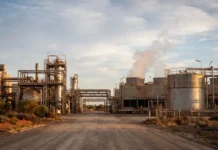
Successful critical mineral refining requires specialized infrastructure that can handle the unique chemical and physical properties of the target elements. Unlike bulk commodities, specialty metals often require multiple stages of purification to reach the 99.9 percent purity levels required for advanced applications. This involves the use of high-temperature furnaces, complex solvent extraction circuits, and precise crystallization systems. The design of these plants must account for the corrosive nature of the chemicals used and the need for strict containment of hazardous waste products. Investment in high-quality materials and automated control systems is necessary to ensure the longevity of the equipment and the safety of the workforce. Every stage of the process must be carefully monitored to maintain the required specifications, as even minor impurities can render the final product unusable for high-tech applications.
Access to reliable and affordable energy is another critical factor in the feasibility of refining projects. Many purification processes are energy-intensive, requiring steady power for electrochemical cells or heating units. Integrating renewable energy sources into the refining process is becoming a priority for operators looking to reduce their carbon footprint and align with the requirements of green manufacturing. The availability of specialized chemical reagents and a skilled workforce capable of managing complex metallurgical operations is vital. Establishing these industrial clusters takes time and requires coordination between the private sector and government entities. Without the necessary support infrastructure, even the most promising mineral deposits will remain stranded assets, unable to reach the markets that need them most. The long-term success of these facilities depends on their ability to maintain operational excellence while adapting to the evolving requirements of the global market.
Technological Pathways for Specialty Metals
Innovation in chemical engineering is at the heart of expanding midstream refining capabilities. New methods for separating rare earth elements, such as continuous ion exchange and advanced chromatography, offer the potential for higher yields and lower environmental impact compared to traditional solvent extraction. These technologies allow for the processing of lower-grade feeds and the recovery of multiple elements from a single stream. For lithium production, the shift toward direct lithium extraction (DLE) from brines is gaining momentum, offering a faster and more water-efficient alternative to evaporation ponds. These technical advancements are essential for making refining projects economically viable in a wider range of geographical settings. The development of proprietary separation technologies is a key area of competition, as companies seek to improve their efficiency and reduce their reliance on traditional, labor-intensive methods.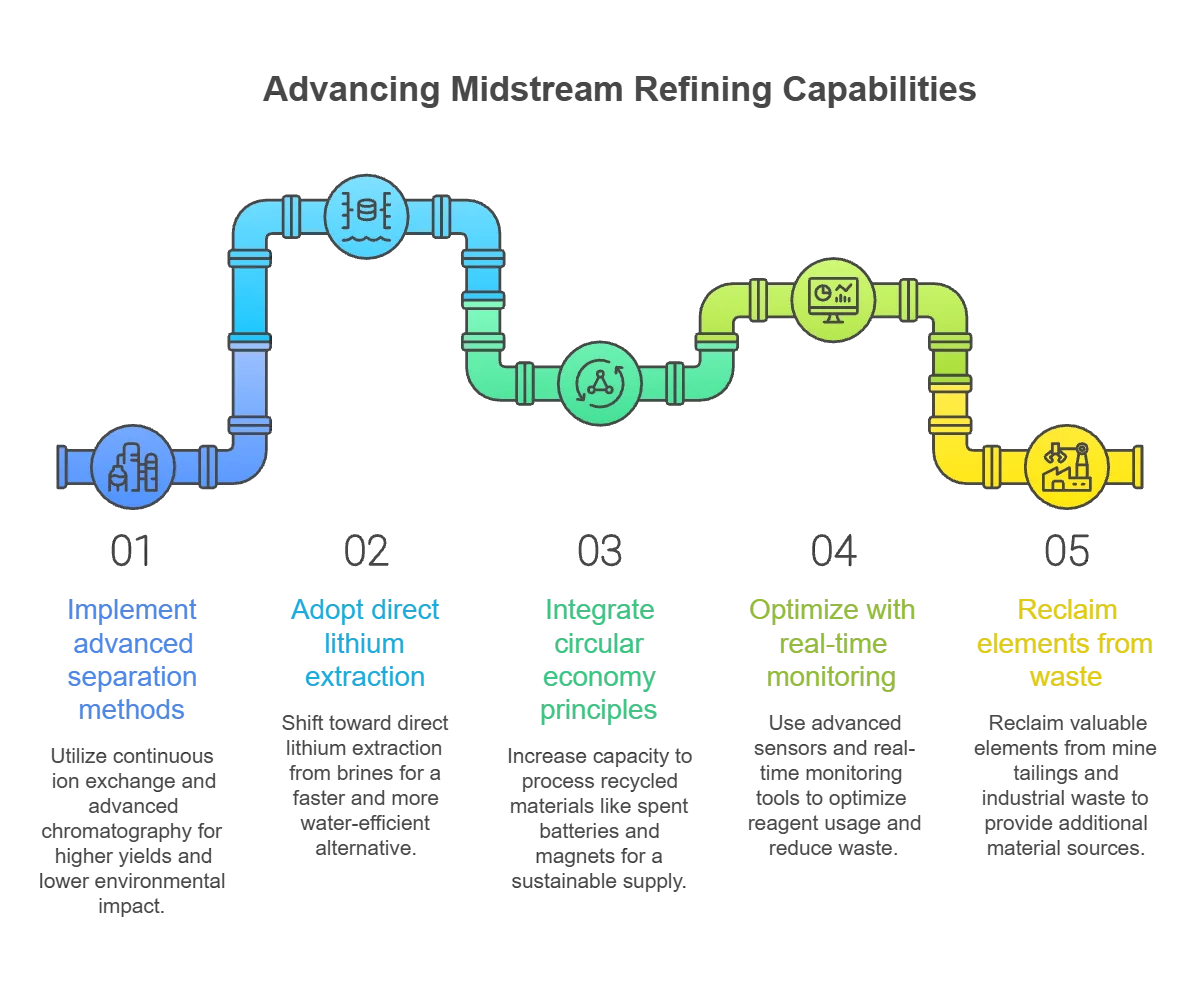 The adoption of circular economy principles is also driving changes in refining technology. Increasing the capacity to process recycled materials, such as spent batteries and magnets, allows for a more sustainable supply of critical minerals. This requires facilities that can handle a variety of input materials and separate them into their constituent components with high precision. By combining primary production with secondary recycling, operators can create a more stable and predictable supply of high-purity products. The integration of advanced sensors and real-time monitoring tools further enhances the efficiency of these plants, allowing for the optimization of reagent usage and the reduction of waste. As the demand for specialty metals grows, the ability to rapidly adapt refining processes to new material streams will be a major competitive advantage. The ability to reclaim valuable elements from mine tailings and industrial waste is also becoming an important part of the refining strategy, providing an additional source of materials while reducing the environmental impact of traditional mining.
Environmental and Regulatory Compliance Standards
Operating a critical mineral refining facility involves adhering to some of the most stringent environmental regulations in the industrial sector. The use of concentrated acids and the generation of radioactive or toxic byproducts in some processes require sophisticated management systems. Mining and refining companies must demonstrate their ability to manage these risks to gain social license and regulatory approval. This includes implementing closed-loop water systems, advanced air filtration, and secure tailings storage facilities. The cost of compliance is significant, but it is a necessary part of ensuring the long-term viability of the industry. Investors and customers are increasingly demanding transparency regarding the environmental footprint of refined products. The implementation of rigorous environmental management systems is not only a regulatory requirement but also a key factor in attracting capital and securing long-term contracts with major manufacturers.
Standardization of ESG reporting across the industry is helping to level the playing field for operators who invest in high-standard facilities. By providing verifiable data on carbon emissions, water usage, and community impact, refiners can differentiate themselves in the market. This focus on sustainability is also driving technological innovation, as companies seek out more efficient and less harmful ways to process minerals. For example, the development of bio-leaching and other low-temperature extraction methods can reduce the energy intensity and chemical usage of traditional refining. Aligning regulatory frameworks across different jurisdictions can also help to facilitate the movement of materials and technologies, supporting the global growth of the sector. The ability to meet these high standards is becoming a prerequisite for participation in the global supply chain, particularly for companies supplying the electric vehicle and renewable energy sectors.
Diversification Strategies for Global Supply Chains
The strategic importance of refining means that supply chain managers must look beyond simple cost-benefit analyses when selecting partners. Establishing long-term agreements with a variety of refiners can help to mitigate the risks associated with geopolitical tension or logistical disruptions. This diversification strategy involves supporting the development of new capacity in emerging markets and participating in joint ventures to secure off-take agreements. By investing in the midstream sector, mining companies can ensure that their products have a reliable path to market, while end-users can secure the materials they need for their manufacturing processes. This collaborative approach is essential for overcoming the capital intensity and technical complexity of refining projects. Partnerships between governments and the private sector are becoming more common as nations seek to build the infrastructure necessary for a secure and sustainable future.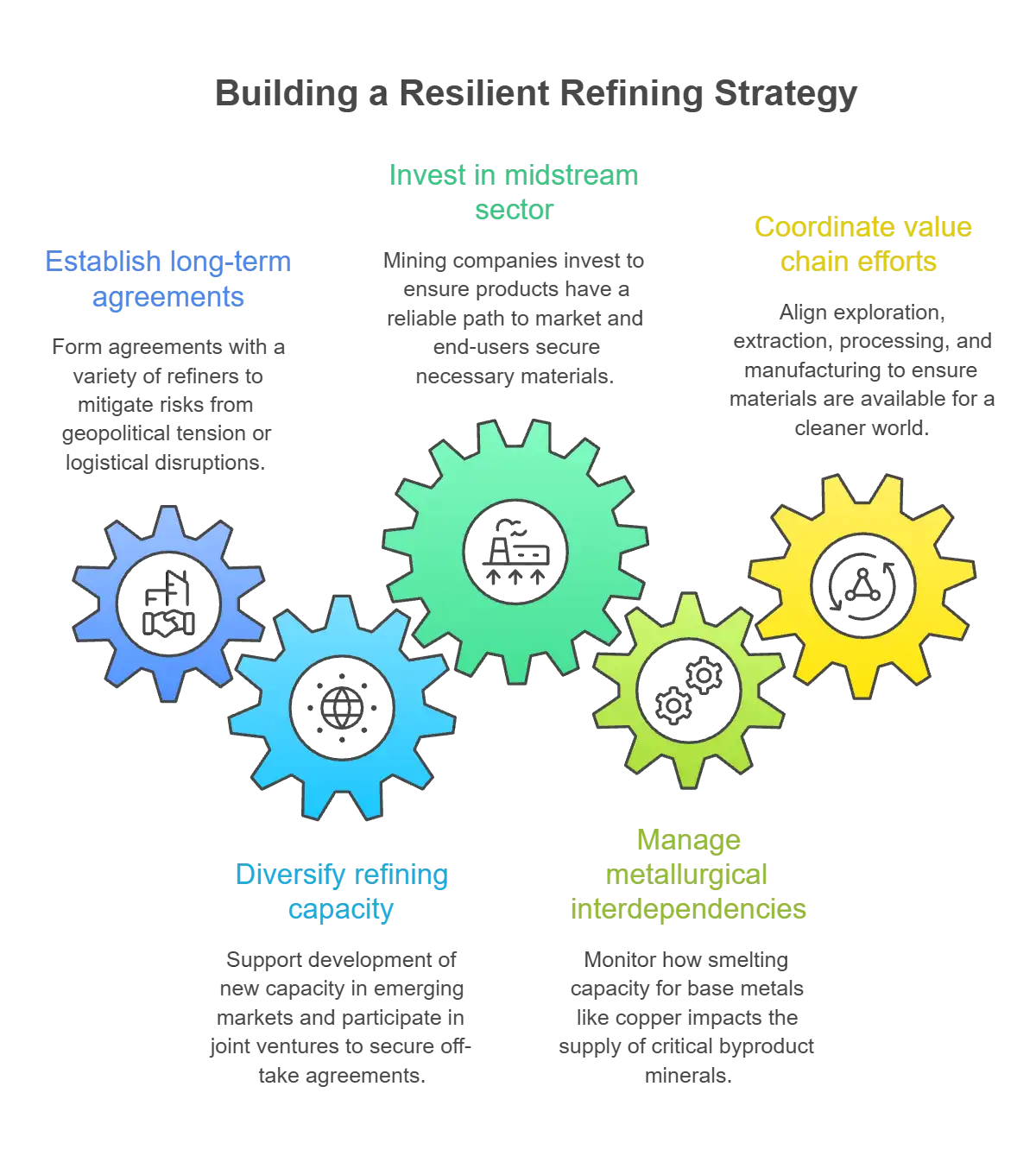 As the industry evolves, the relationship between smelting and refining will also become more complex. In some cases, the availability of smelting capacity for base metals like copper can impact the supply of critical minerals that are produced as byproducts. Operators must be aware of how copper concentrate shortages and the challenges facing global smelters can ripple through the broader mineral economy. Managing these interdependencies requires a deep understanding of the global metallurgical environment and a proactive approach to risk management. By building a resilient and diverse refining base, the global community can ensure that the transition to a sustainable future is supported by a steady supply of high-purity materials. The continued focus on critical mineral refining will remain a defining feature of the industrial sector for decades to come, as the race to secure the building blocks of the modern world intensifies. This requires a coordinated effort across the entire value chain, from exploration and extraction to processing and final manufacturing, to ensure that the materials needed for a cleaner world are available when and where they are required.