









South Korea has indicated a strategic reorientation of its engagement with Nigeria from the conventional aid-centric approach to a partnership based on mutual responsibility, institution building, and economic cooperation.
South Korea is restructuring its relationship with Nigeria, moving from the traditional aid model to one of partnership.
The change comes at a time of a sharp fall in global development aid, forcing donor countries to reconsider how they engage.
Both countries are exploring expanded economic ties, especially when it comes to critical minerals as well as industrial development.
Officials assert transparency and institutional strength as well as shared accountability are key to future cooperation.
The shift was announced at a joint seminar of the Nigerian Institute of International Affairs and the Embassy of the Republic of Korea, wherein the officials said that falling global aid was an essential component of the new approach.
Tak Namgung, Korea’s Chargé d’Affaires, reported at the event that the global Official Development Assistance fell to approximately $174 billion in 2025, which is a 23% drop and the biggest decline in recent years. Major donors are expected to cut spending, which could push down the bilateral aid to Sub-Saharan Africa by almost 28%.
Namgung said the traditional donor-recipient model is not anymore viable in the present economic climate.
He added that meaningful cooperation is now required to be based on shared understanding, solid institutions, and shared accountability.
He referenced South Korea’s own development path, observing that the country focused on creating robust systems, such as digital governance. However, he did acknowledge that there were early trade-offs with fast economic growth, particularly in areas like democratic governance as well as human rights.
Namgung said that economic growth along with human rights cannot be accomplished independently, warning that the two could as well go on to become destabilising factors for long-term stability if they are not harmonious.
Critical minerals sector of Nigeria and industry are key to Nigeria-Korea economic ties
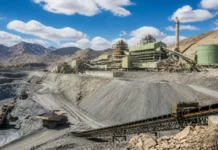
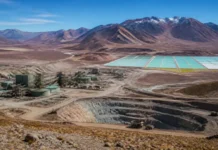
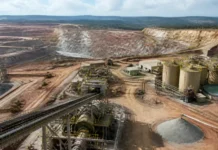
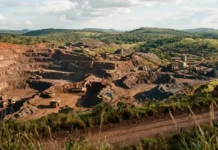
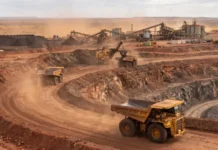
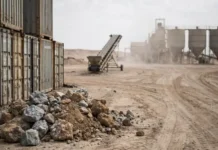
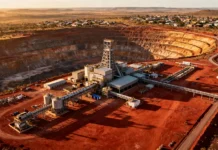
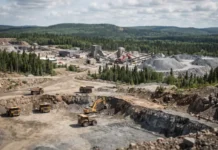
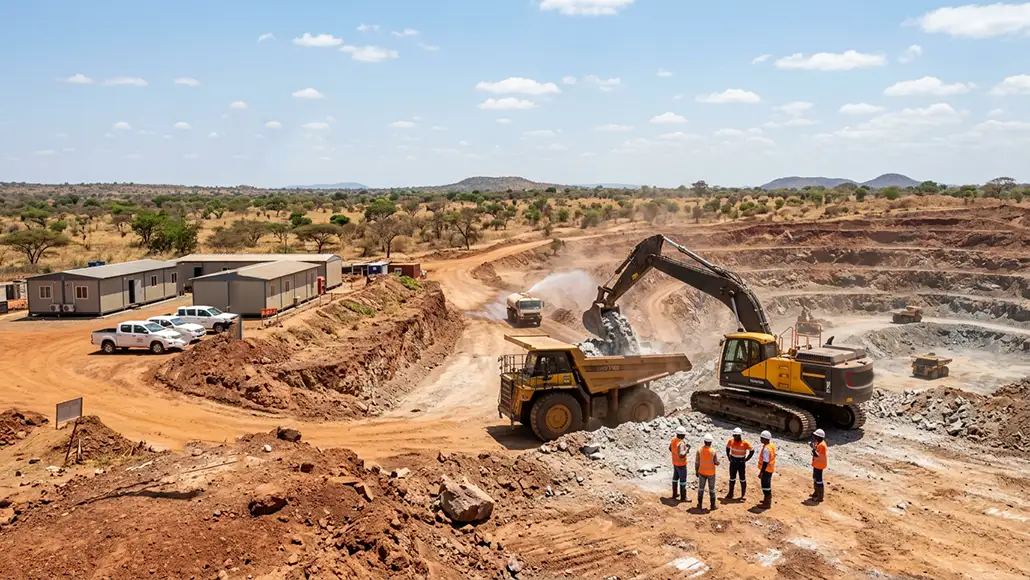
The move comes as both countries work to deepen economic ties, especially in the critical minerals sector of Nigeria. South Korea imports over 95% of its critical mineral needs, whereas Nigeria has huge deposits of lithium, graphite and various other minerals which are critical for electric vehicles as well as clean energy technologies.
Namgung stressed that taking advantage of these opportunities will be more than just extracting resources.
He said that transparency, trust and solid institutions are essential to sustainable industrial development.
South Korean firms such as the likes of Daewoo Engineering & Construction have long been associated with Nigeria’s infrastructure projects. Additionally, technology companies like Samsung Electronics as well as LG Corporation are present in the country, aiding in industrial capacity along with workforce development.
Apparently, Seoul has also supported e-governance in Nigeria through the Korea International Cooperation Agency, which is again part of a wider push when it comes to institutional strengthening as aid flows diminish.